Why the Autonomous Demo Platform is the Future of B2B Sales (2026 Guide)

Executive Summary
- The Shift: 61% of buyers want to avoid your sales team entirely.
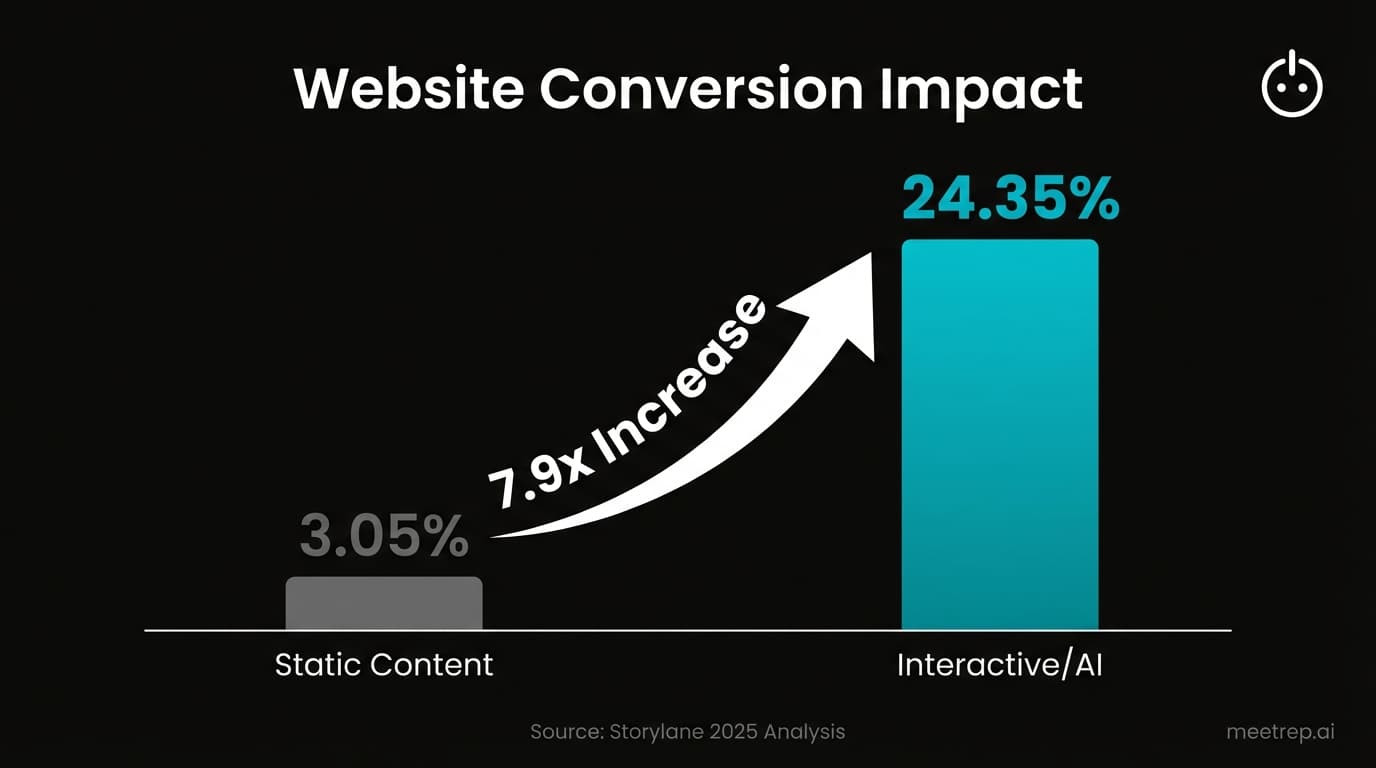
- The ROI: Interactive demos increase website conversion by 7.9x.
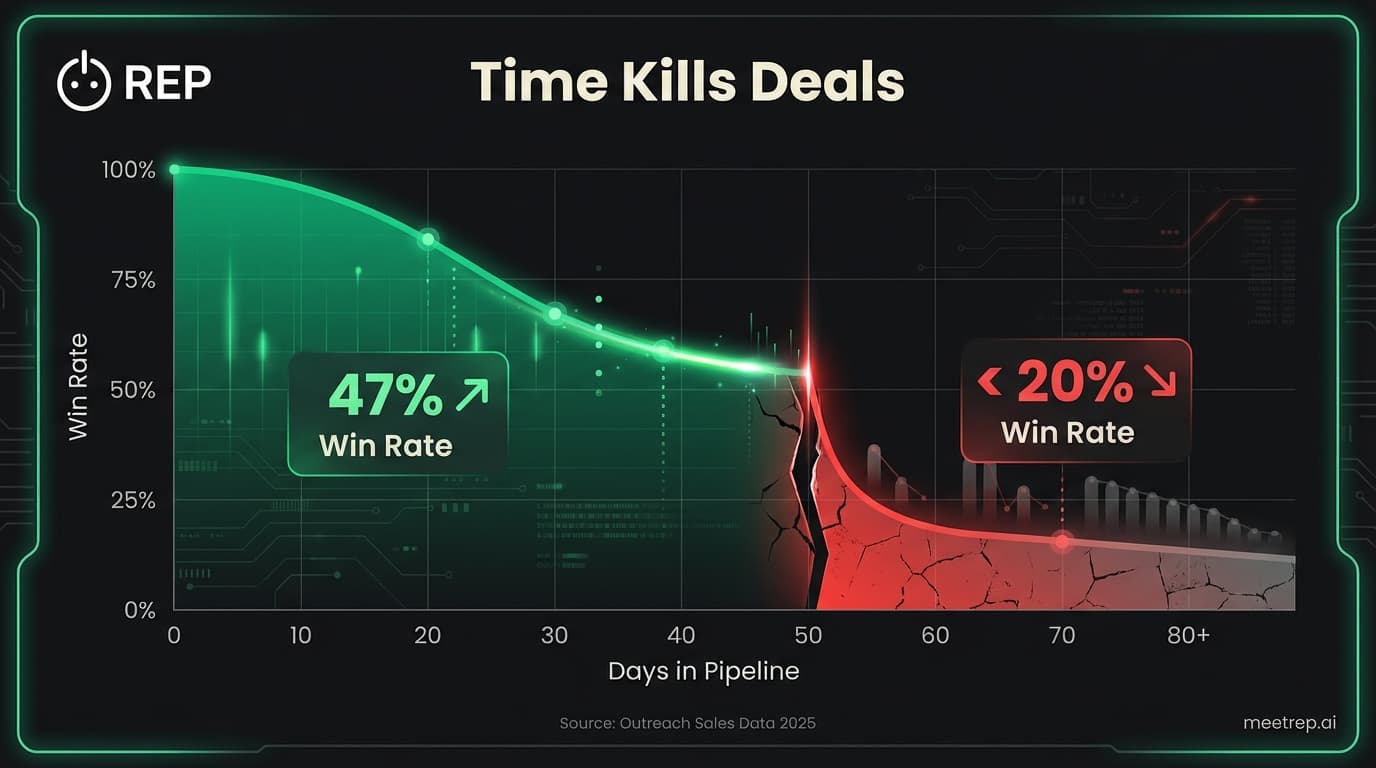
- The Risk: Opportunities not closed within 50 days lose 57% of their win probability.
- The Solution: Autonomous agents (like Rep) bridge the gap between "click-through" exploration and "human" conversation.
The "Contact Sales" button is the single biggest friction point on your website.
I’ve built sales automation tools for years, first with GoCustomer.ai and now with Rep. In that time, I’ve seen thousands of pipelines. The pattern is always the same. You spend a fortune driving traffic. The prospect lands. They get interested. Then we ask them to fill out a form, wait 24 hours, and play "Calendar Tetris" with an SDR just to see the product.
Most of them just leave.
It’s not because your product is bad. It’s because the buying behavior has fundamentally changed. According to Gartner’s 2025 Sales Survey, 61% of B2B buyers now prefer a rep-free buying experience.
They don't want to talk to a human to get basic answers.
This is why the modern demo platform matters. But I’m not talking about recording a Loom video and sticking it on your homepage. The market is shifting from "interactive click-throughs" to fully autonomous AI agents that can sell for you.
Here is why that shift is happening, and why you need to adapt.
What Is a Demo Platform?
A demo platform is software that automates the product demonstration process, allowing prospects to experience your solution without waiting for a live sales rep. While early versions focused on pre-recorded videos or click-through tours (like Navattic), the category has evolved in 2026 to include autonomous AI agents—software that joins video calls, shares its screen, and conducts live, voice-based demonstrations 24/7.
Key Insight: The definition has changed. A "demo platform" used to mean a hosting tool for videos. Now, it means a digital worker that performs the job of an entry-level Sales Engineer.
The "Rep-Free" Reality: Why Buyers Are Ghosting Your Forms
For years, sales leaders assumed that if a buyer didn't fill out the form, they weren't "serious."
That’s a dangerous assumption.
In my experience building in this space, the buyers ghosting you are often the most serious. They are doing deep research. They just refuse to jump through hoops.
The data backs this up. Aside from the 61% preference for rep-free buying mentioned earlier, Gartner also found that 73% of B2B buyers actively avoid suppliers who send irrelevant outreach.
When you force a form fill, you are signaling: "I am going to spam you."
So buyers bounce. They go to a competitor who shows the product upfront. If you don't offer a way to explore the product on their terms, you aren't qualifying them out. You're just losing them.
Interactive vs. Autonomous: The Difference Matters
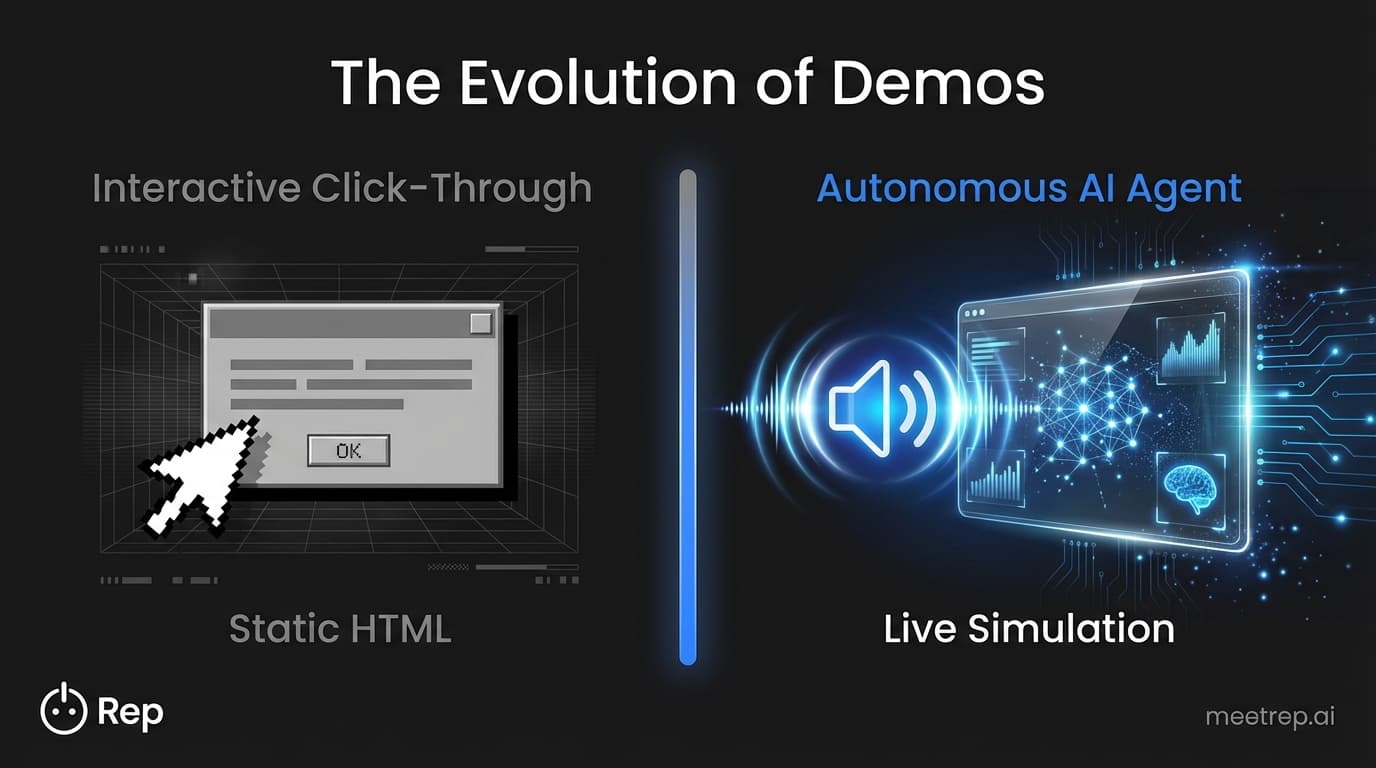
This is where the terminology gets messy. If you're looking for a demo platform, you'll see two main categories. It is critical to understand the difference because they solve different problems.
1. Interactive Click-Throughs (e.g., Navattic, Storylane) These are HTML captures of your product. The user clicks "Next" to see a tooltip. It’s a sandbox. Great for top-of-funnel exploration, but it’s a silent experience.
2. Autonomous AI Agents (e.g., Rep) This is a voice AI that joins a Zoom or Google Meet call. It shares its screen. It talks. It answers questions. It’s a simulation of your best sales rep.
Here is how they compare:
| Feature | Interactive (Click-Through) | Autonomous (AI Agent) |
|---|---|---|
| Primary Interaction | Clicking "Next" on tooltips | Voice conversation |
| Medium | Embedded on website | Live video call (Zoom/Meet) |
| Objection Handling | None (Static path) | Real-time (AI handled) |
| Best For | Quick website teasers | Qualification & Discovery |
| Setup Effort | Low (Capture screens) | Medium (Train AI knowledge) |
My take: You probably need both. Use click-throughs for the 30-second "what is this?" glance. Use autonomous agents for the 15-minute "can it do X, Y, and Z?" deep dive.
The ROI of Autonomy: Speed Wins
Why bother with all this? Why not just hire more SDRs?
Two reasons: Conversion and Speed.
Let's look at the numbers. According to Storylane's 2025 analysis of over 100,000 sessions, website conversion rates jump from an average of 3.05% to 24.35% (a 7.9x improvement) when interactive demos are used.
Think about that. You could double your ad spend... or you could just let people see the product.
But it's not just about getting them to look. It's about getting them to look deeply. Consensus data from 2025 shows that buyers who engage with 9 or more demos have a close rate of over 55%. That is an 8-10x increase compared to surface-level viewers.
You cannot get a prospect to watch 9 demos if they have to schedule a call for every single one.
The final factor is speed. We learned this the hard way at GoCustomer. Time kills deals. If a prospect requests a demo on Friday, and you book them for Tuesday, they have 96 hours to find a competitor.
Outreach's 2025 data paints a stark picture: Opportunities closed within 50 days have a 47% win rate. Once you cross that 50-day threshold? The win rate drops to 20% or lower.
The Data: "Opportunities closed within 50 days have a 47% win rate, compared to 20% or lower after that threshold." — Outreach Sales Data
Every hour your prospect spends waiting for a calendar invite is a percentage point of win rate slipping away. An autonomous demo platform removes the wait time entirely.
Case Study: $1M Pipeline Added in 4 Months
Stats are great, but what does this actually look like in practice?
Take Sila, a fintech infrastructure company. They had a classic problem: complex product, high traffic, but a bottleneck in qualification. Their sales engineers were spending too much time on basic "what does your API do?" calls.
They implemented Rep to handle the initial engagement. The AI agent could join calls, walk through the API documentation, and answer technical questions live.
The result? Sila added over $1 Million in pipeline value within four months.
What we learned at Rep: The magic wasn't that the AI was "smarter" than a human. It was simply available. It captured demand the moment it existed.
In e-commerce, the results are similar. NutraBio used Rep to guide customers through 400+ SKUs. They saw an 11.46% conversion rate from AI conversations to sales, with a 10% higher Average Order Value (AOV) compared to unassisted visitors (Source: NutraBio Case Study).
How to Implement Without "Hallucination" Fear
This is the part that scares Product Marketers.
"I worked hard on that messaging. I don't want a bot making things up."
I get it. When we built Rep, we knew that if the AI started inventing features, the product was dead. Security and brand safety are non-negotiable in B2B.
That’s why we built the Inline Validation Flow.
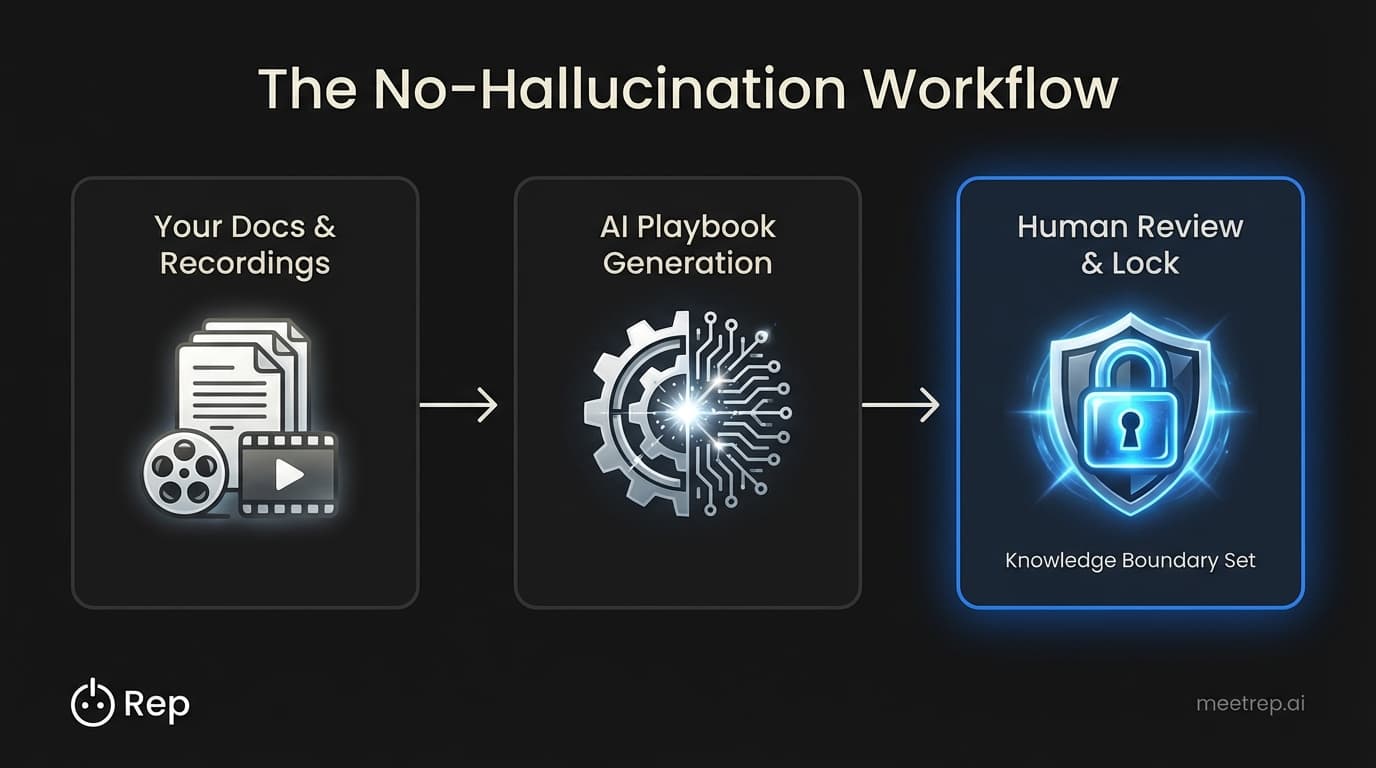
Instead of letting the AI loose to "chat" based on a generic prompt, you build a Playbook. You upload your recordings, your docs, and your battle cards. Then, the AI generates a script. But before it goes live, you review it. The AI asks you clarifying questions:
"You mentioned we integrate with Salesforce. Does that include two-way sync, or just one-way?"
You answer. The AI locks that knowledge in. It creates a boundary that the AI will not cross.
Common Mistake: Trying to make the AI "human" by giving it a vague prompt. Don't do that. Give it a Playbook. Treat it like a junior rep who needs a script. The goal isn't to trick the user into thinking it's a human; the goal is to give them accurate answers fast.
3 Steps to Launch Your First Autonomous Demo
If you’re ready to move beyond static forms, here is the implementation path I recommend.
1. Ungate the "Teaser"
Don't hide your product. Navattic reports that 71% of top-performing interactive demos are ungated. Put a simple click-through tour on your homepage. Let them look around.
2. Embed the Agent on High-Intent Pages
On your Pricing page or "Book a Demo" page, offer a choice:
- "Book time with Sales"
- "See a live demo right now (AI)"
You will be surprised how many choose the second option.
3. Review the "Game Tape"
This is the part I actually get excited about. Because the AI records everything, you get perfect data.
You can see exactly where prospects drop off. You can hear exactly which questions they ask most. At GoCustomer, I remember begging reps to fill out CRM notes. They hated it, so the data was always empty. With a demo platform, the notes are automatic and 100% accurate.
The Form is Dead. Long Live the Demo.
The era of "fill out this form and we'll get back to you" is ending. It’s too slow, and frankly, it’s disrespectful of your buyer’s time.
In my view, the winners of the next five years won't be the companies with the best SDRs. They will be the companies that make it easiest to buy.
If you are losing deals to "no decision" or competitors who move faster, look at your demo process. Are you making them wait? Or are you letting them see?
Don't let qualified leads slip through the cracks because your calendar was full.
See how an autonomous demo platform works at Rep.

Nadeem Azam
Founder
Software engineer & architect with 10+ years experience. Previously founded GoCustomer.ai.
Nadeem Azam is the Founder of Rep (meetrep.ai), building AI agents that give live product demos 24/7 for B2B sales teams. He writes about AI, sales automation, and the future of product demos.
Frequently Asked Questions
Table of Contents
- What Is a Demo Platform?
- The "Rep-Free" Reality: Why Buyers Are Ghosting Your Forms
- Interactive vs. Autonomous: The Difference Matters
- The ROI of Autonomy: Speed Wins
- Case Study: $1M Pipeline Added in 4 Months
- How to Implement Without "Hallucination" Fear
- 3 Steps to Launch Your First Autonomous Demo
- The Form is Dead. Long Live the Demo.
Ready to automate your demos?
Join the Rep Council and be among the first to experience AI-powered demos.
Get Early AccessRelated Articles
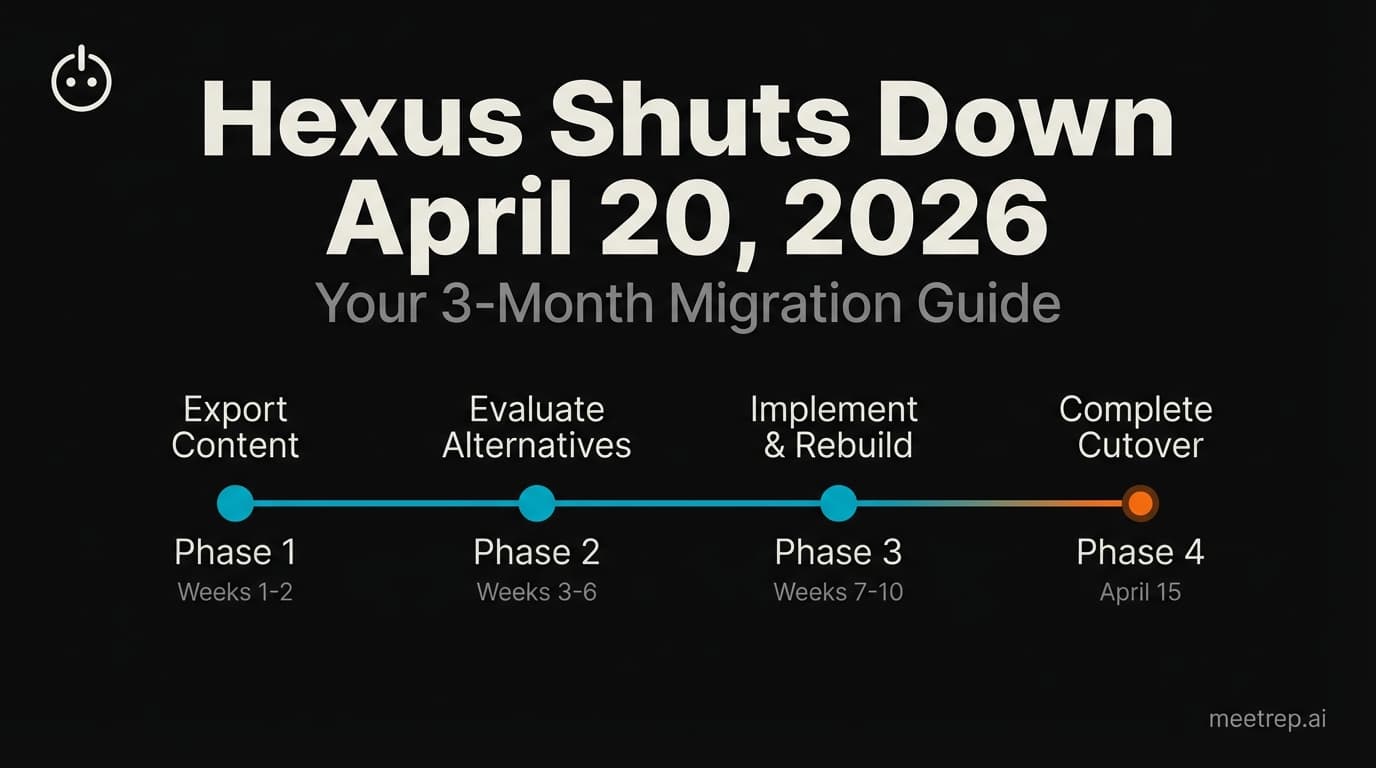
Hexus Acquired by Harvey AI: Congrats & What It Means for Demo Automation Teams
Hexus is shutting down following its acquisition by Harvey AI. Learn how to manage your migration and discover the best demo automation alternatives before April 2026.
Why the "Software Demo" is Broken—and Why AI Agents Are the Future
The traditional software demo is dead. Discover why 94% of B2B buyers rank vendors before calling sales and how AI agents are replacing manual demos to scale revenue.
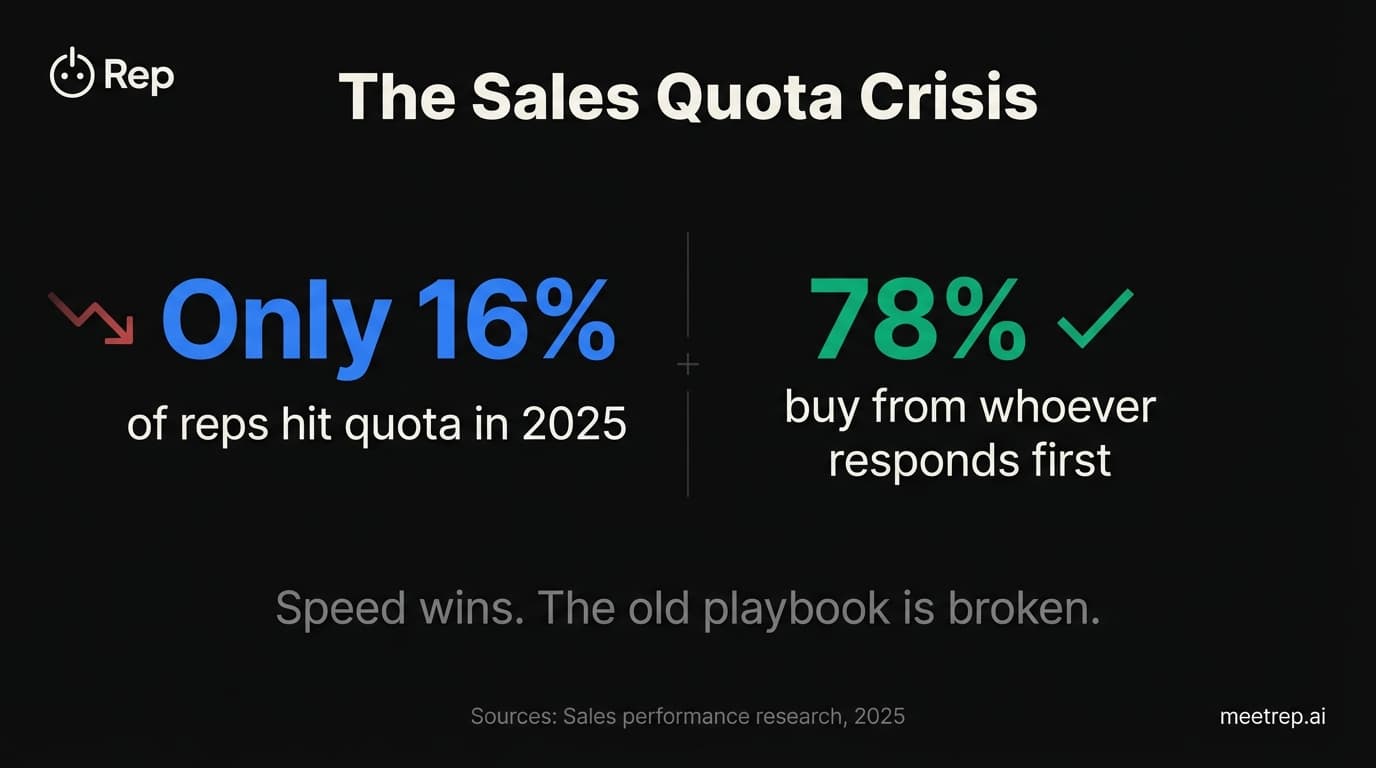
Why Autonomous Sales Software is the Future of B2B Sales (And Why the Old Playbook is Dead)
B2B sales is at a breaking point with quota attainment at 46%. Discover why autonomous 'Agentic AI' is the new standard for driving revenue and meeting the demand for rep-free buying.