Top Sandbox Demo Platforms For Enterprise Sales: The 2026 Guide

Executive Summary
- The Problem: Buyers have limited time; SEs are burning out on unqualified leads.
- The Solution: Sandbox platforms (like Demostack/Saleo) stabilize your environment; AI agents (like Rep) scale your delivery.
- The ROI: Companies using these tools scale presales capacity by 30%+.
- Key Stat: Maintaining your own sales staging environment costs 20% of your engineering capacity.
It is January 2026. The era of the "generic intro demo" is officially over. Or at least, it should be.
For years, I've watched Sales Engineering (SE) leaders battle a two-front war. On one front, you have the "Demo Monkey" crisis: highly paid technical experts spending hours on repetitive, low-value introductory calls for unqualified leads.
On the other front? The "Blue Screen of Death."
We've all been there. You're five minutes into a high-stakes presentation for a VIP prospect. You click "Submit." The staging environment—which engineering pushed a hotfix to ten minutes ago—crashes.
Silence.
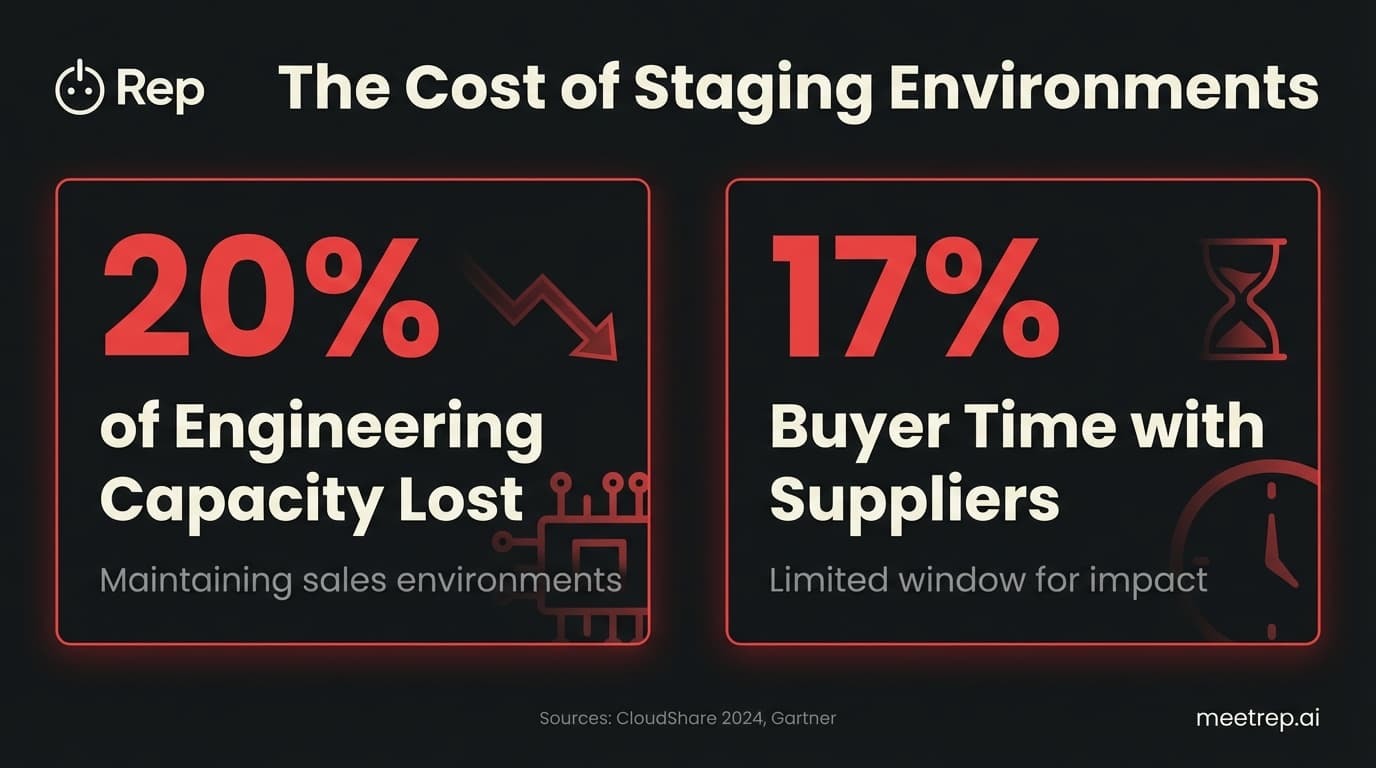
This isn't just embarrassing. It's expensive. Data shows that B2B buyers now spend only 17% of their buying journey meeting with suppliers. You literally cannot afford to waste that sliver of time on a loading spinner.
Enterprise teams are finally responding. They are decoupling sales from engineering by moving to Sandbox Demo Platforms.
This guide covers the top sandbox platforms for 2026, the specific architectures you need to understand, and why we built Rep to take this technology a step further.
What Are Sandbox Demo Platforms? (And Why "Staging" is Dead)
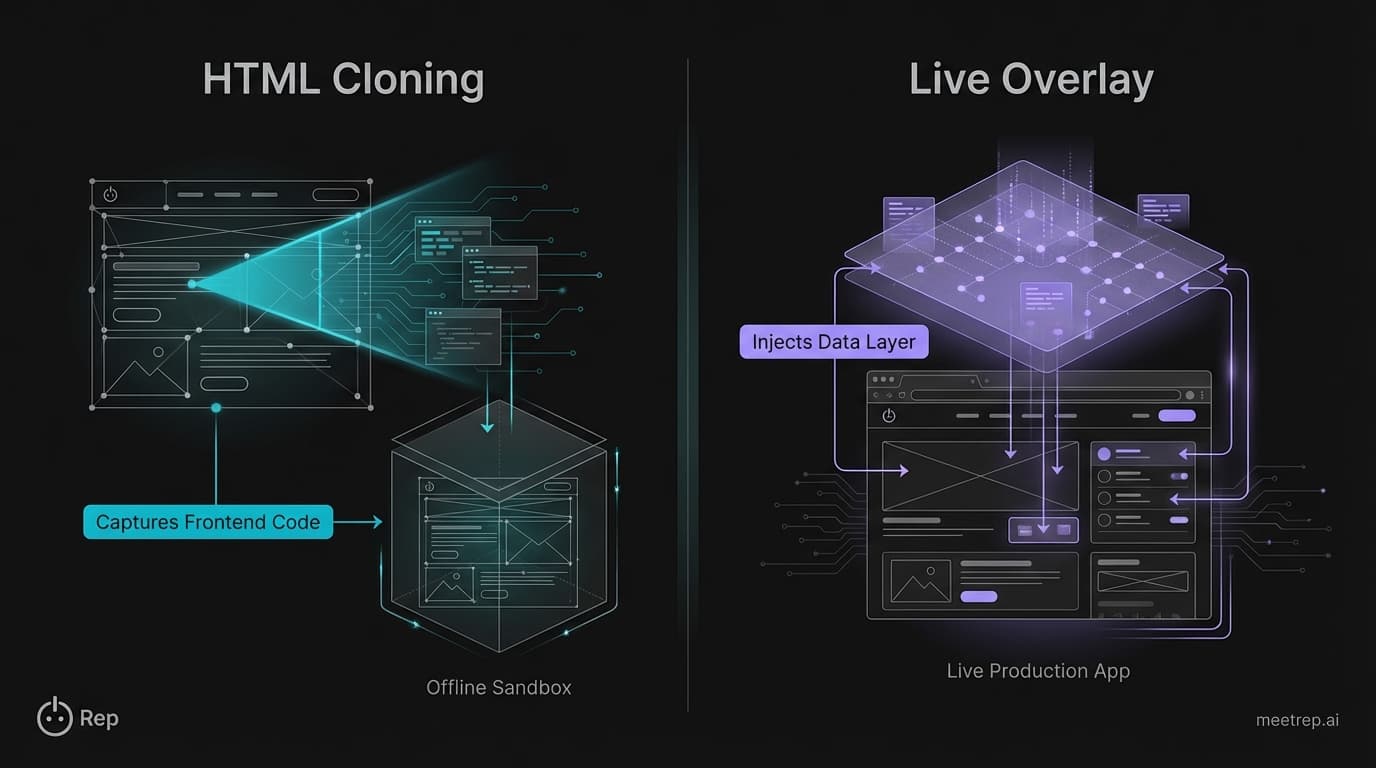
A sandbox demo platform is a sales technology that captures your software application—either by cloning the front-end code or overlaying a new interface on top of it—to create a stable, isolated environment for sales.
Think of it as a "Golden Environment." It looks like your product. It feels like your product. But it is completely divorced from your engineering team's deployment schedule.
The "Staging" Trap
In my experience building GoCustomer.ai, the tension between sales and engineering was constant. Sales needed stability. Engineering needed to break things to move fast.
When you rely on "Staging" or "QA" environments for demos, you lose twice:
- Instability: Data changes unexpectedly (e.g., "Test User 123" appears in your dashboard).
- Cost: Maintaining production clones for sales consumes up to 20% of product engineering time.
Sandbox platforms eliminate this trade-off. You get a crash-proof environment that never updates unless you want it to.
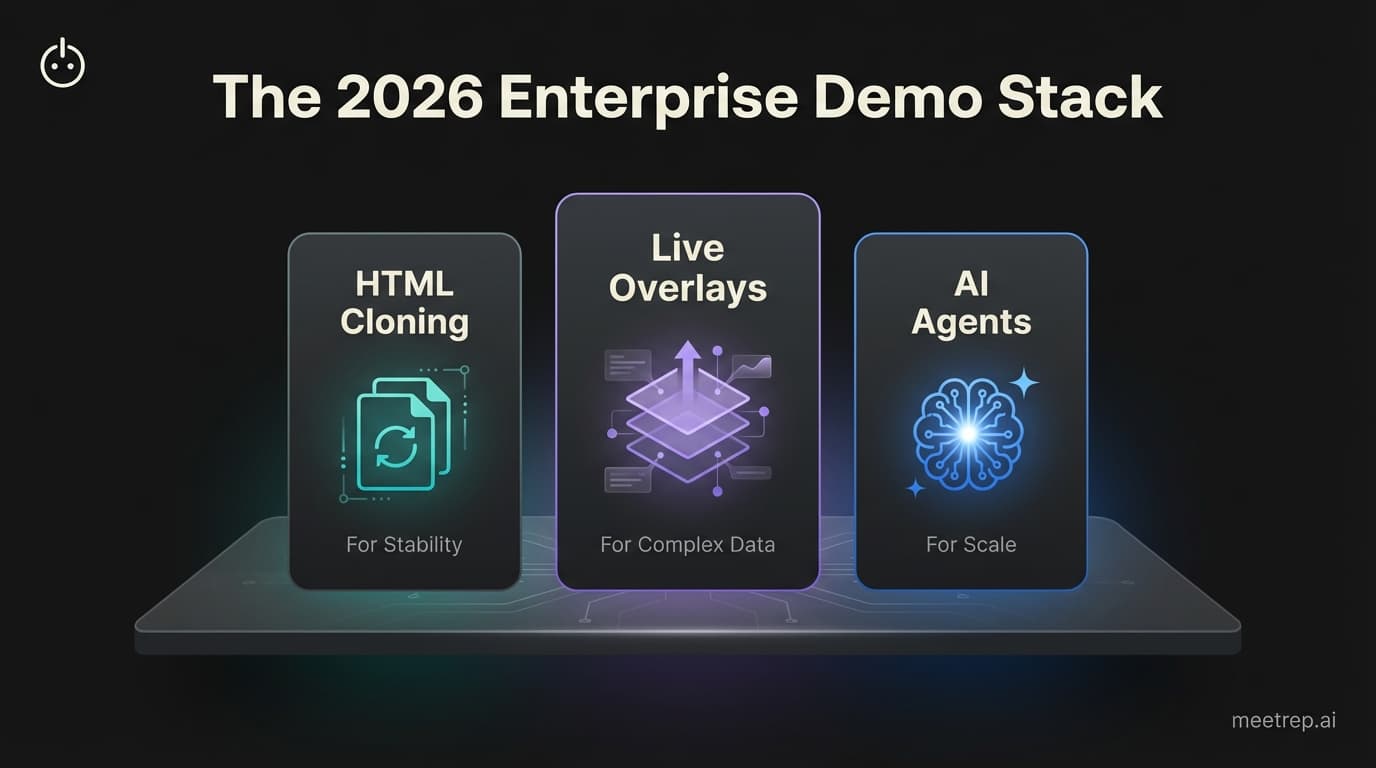
The 3 Types of Demo Tech: Cloning vs. Overlays vs. Agents
Before you look at vendors, you need to understand the architecture. Not all "demo tools" are built the same. The market has split into three distinct approaches.
| Type | How It Works | Best For | Leading Tools |
|---|---|---|---|
| 1. HTML Cloning | "Scrapes" your front-end code to build a pixel-perfect replica. | Stability & Offline use | Demostack, Reprise |
| 2. Live Overlays | Inject data into the browser on top of a live app. | Complex Data Logic | Saleo |
| 3. AI Agents | An AI navigates the sandbox for you. | Scaling Bandwidth | Rep |
1. HTML Cloning (The "Capture" Model)
These tools grab the HTML, CSS, and JavaScript of your application and rebuild it in a safe container.
- Pros: Total stability. You can edit text and images without code.
- Cons: Can be heavy to set up for massive, legacy applications.
2. Live Overlays (The "Injection" Model)
These sit as a browser extension on top of your live product. They intercept network requests to show "fake" data.
- Pros: You are using the real app, so complex backend logic (like math or search) works perfectly.
- Cons: If your live app goes down, your demo goes down.
3. AI Sales Agents (The "Autonomous" Model)
This is the new frontier. While sandboxes fix the environment, agents fix the bandwidth. An AI voice agent joins the call, shares the screen, and clicks through the sandbox while talking to the prospect.
Top Enterprise Sandbox Platforms (2026 Comparison)
Here is how the top players stack up for enterprise deployments this year.
1. Demostack
Best For: High-growth teams needing total control and stability.
Demostack is the leader in the "Cloning" category. It allows SE teams to spin up a "perfect" version of their product in minutes.
What I like about Demostack is their AI Data Generator. One of the biggest pains in demo prep is scrubbing data. You don't want to show "Lorem Ipsum" text, but you also can't show real client PII. Demostack automatically populates your cloned environment with realistic, industry-specific data.
The Data:Synack (Cybersecurity) reduced their demo prep time from 100+ hours to under 10 hours using Demostack [source].
2. Reprise
Best For: Enterprise teams requiring deep customization.
Reprise is often considered the "Swiss Army Knife" of the category. They offer a full suite: Replay (guided tours), Replicate (cloned sandboxes), and Reveal (live overlays).
If you are a large enterprise, Role-Based Access Control (RBAC) is critical. You can't have a junior AE accidentally breaking the "CEO Demo" template. Reprise handles this governance better than most.
3. Saleo
Best For: Products where "Real Data" is the showstopper.
Saleo takes a different approach. They don't clone; they transform.
If you sell a complex analytics platform or a fintech product, cloning can sometimes break the "magic" of live calculation. Saleo injects data into your live SaaS application. You can change a graph from "revenue down" to "revenue up" instantly during a live call.
My take: Go with Saleo if your product's value is heavily dependent on live math/logic. Go with Demostack/Reprise if your priority is stability and storytelling.
4. Consensus
Best For: Buyer Enablement and Async Video.
Consensus isn't a sandbox in the traditional sense. It focuses on interactive video.
This is critical for the "Gap Time"—the time when you aren't in the room. Consensus allows you to send a personalized video experience that stakeholders can watch on their own time.
Key Insight: According to Consensus data, demo automation can eliminate up to 90% of unqualified demos. This clears the calendar for your expensive SEs to focus on the 10% of deals that actually matter.
5. Navattic / Storylane
Best For: Marketing Website Embeds.
While primarily marketing tools, Navattic and Storylane are increasingly used by sales for "leave-behinds."
These are generally lighter weight. They use HTML capture to create guided "tours." They aren't meant for a 45-minute deep-dive live demo, but they are excellent for sending to a champion after a call.
Trend to watch: Ungated demos. Navattic reports that ungated demos perform 10% better than gated ones. If you're hiding your product behind a form, you're losing 2026 buyers.
The Next Evolution: Autonomous AI Demo Agents
Sandboxes solved the "Blue Screen of Death." But they didn't solve the burnout.
A human SE still has to show up. A human still has to click the buttons. A human still has to say the same intro script for the 500th time.
This is why we built Rep.
We looked at the market and realized that having a stable environment was only half the battle. The other half was capacity.
Rep is an Autonomous AI Sales Agent. It doesn't just record a video. It joins the Zoom call. It speaks with a natural voice. It shares its screen. And it navigates the sandbox (or live product) in real-time.
- Scale: Rep can handle 100 concurrent demos at 2 AM.
- Consistency: It never forgets the new feature talk track.
- Impact: Early data shows a 10-20% increase in conversion rates.
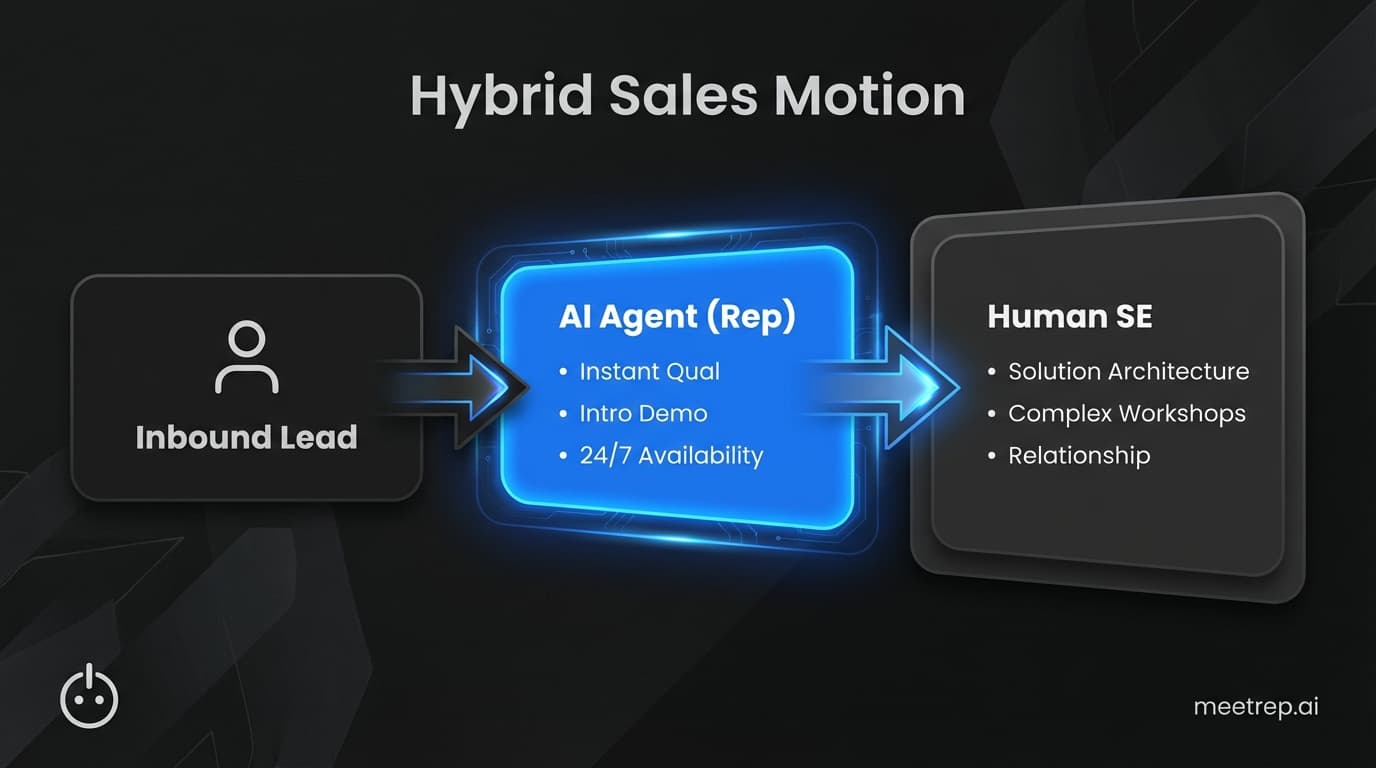
We designed Rep to sit at the MOFU stage. Let the AI handle the discovery and overview demo. Let your human SEs handle the complex solution architecture and relationship building.
Enterprise Security Checklist (Don't Skip This)
If you are selling to the enterprise, your demo platform introduces a new attack surface. Do not procure any tool that fails this checklist.
- SOC 2 Type 2 Compliance: This is non-negotiable. It proves the vendor has operationalized their security controls source.
- Data Anonymization: The platform must automatically scrub PII (Personally Identifiable Information). You cannot risk showing Client A's data to Client B.
- ISO 27001: The international standard for information security management.
- GDPR & CCPA: Essential if you sell into Europe or California.
- Single Sign-On (SSO): Integration with Okta/Azure AD for user management.
How to Build the Business Case (ROI)
Your CFO doesn't care about "demo stability." They care about money.
When you pitch this investment, use Loss Framing. Don't just talk about what you'll gain; talk about what the company is currently bleeding.
- The Engineering Cost: "We are spending 20% of our engineering budget just keeping the lights on in our staging environment" source.
- The Revenue Leak: "We are losing 26% of potential revenue to operational breakdowns and stalled deals" source.
- The Win Rate: "Companies like Gainsight saw an 8-25% increase in win rates by fixing their demo process".
The future of sales isn't just about better tools; it's about better time.
You can keep throwing bodies at the problem, hiring more SEs to do the same repetitive tasks on the same broken staging environments. Or you can fix the infrastructure.
If you're ready to stop the burnout, look at your architecture. If you need stability, look at Demostack. If you need live data, look at Saleo.
And if you're ready to scale your capacity without adding headcount, see how Rep works.

Nadeem Azam
Founder
Software engineer & architect with 10+ years experience. Previously founded GoCustomer.ai.
Nadeem Azam is the Founder of Rep (meetrep.ai), building AI agents that give live product demos 24/7 for B2B sales teams. He writes about AI, sales automation, and the future of product demos.
Frequently Asked Questions
Table of Contents
- What Are Sandbox Demo Platforms? (And Why "Staging" is Dead)
- The 3 Types of Demo Tech: Cloning vs. Overlays vs. Agents
- Top Enterprise Sandbox Platforms (2026 Comparison)
- The Next Evolution: Autonomous AI Demo Agents
- Enterprise Security Checklist (Don't Skip This)
- How to Build the Business Case (ROI)
Ready to automate your demos?
Join the Rep Council and be among the first to experience AI-powered demos.
Get Early AccessRelated Articles
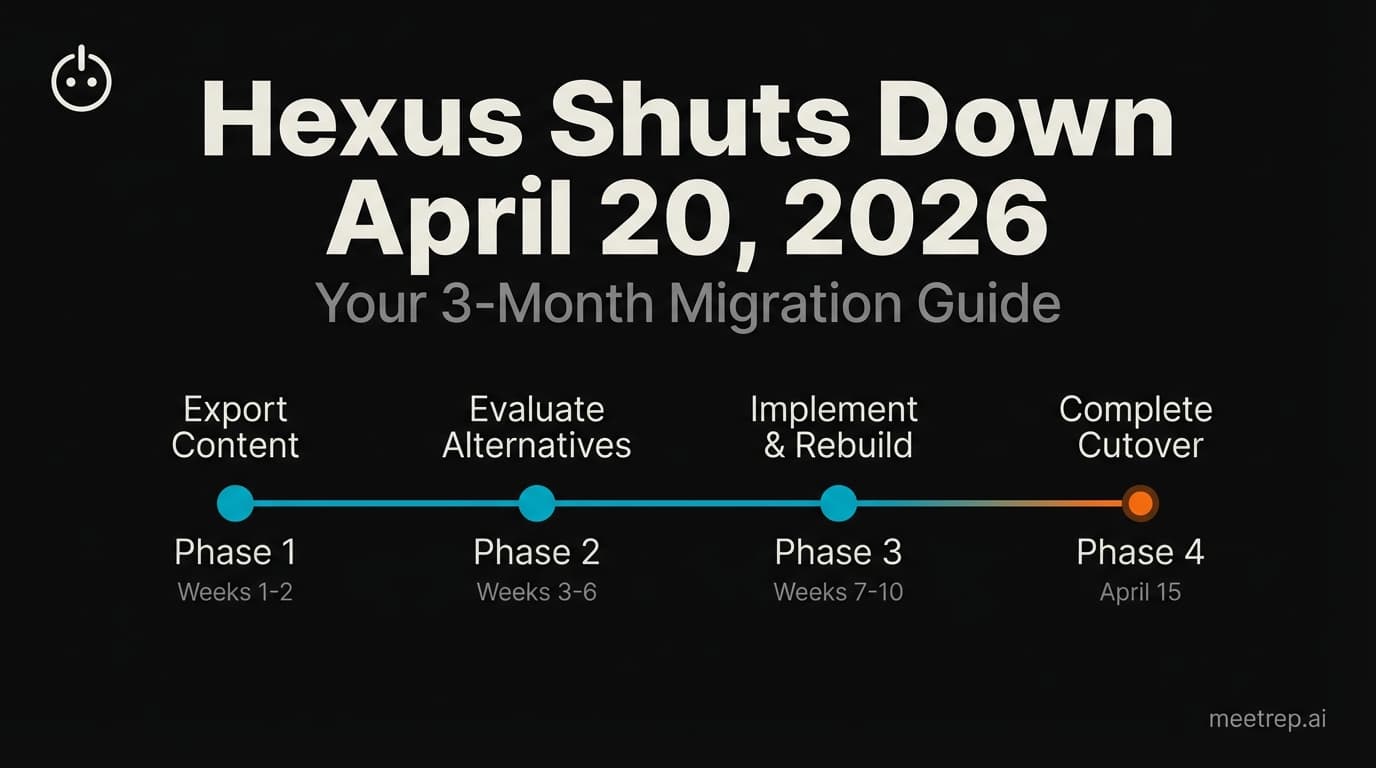
Hexus Acquired by Harvey AI: Congrats & What It Means for Demo Automation Teams
Hexus is shutting down following its acquisition by Harvey AI. Learn how to manage your migration and discover the best demo automation alternatives before April 2026.
Why the "Software Demo" is Broken—and Why AI Agents Are the Future
The traditional software demo is dead. Discover why 94% of B2B buyers rank vendors before calling sales and how AI agents are replacing manual demos to scale revenue.
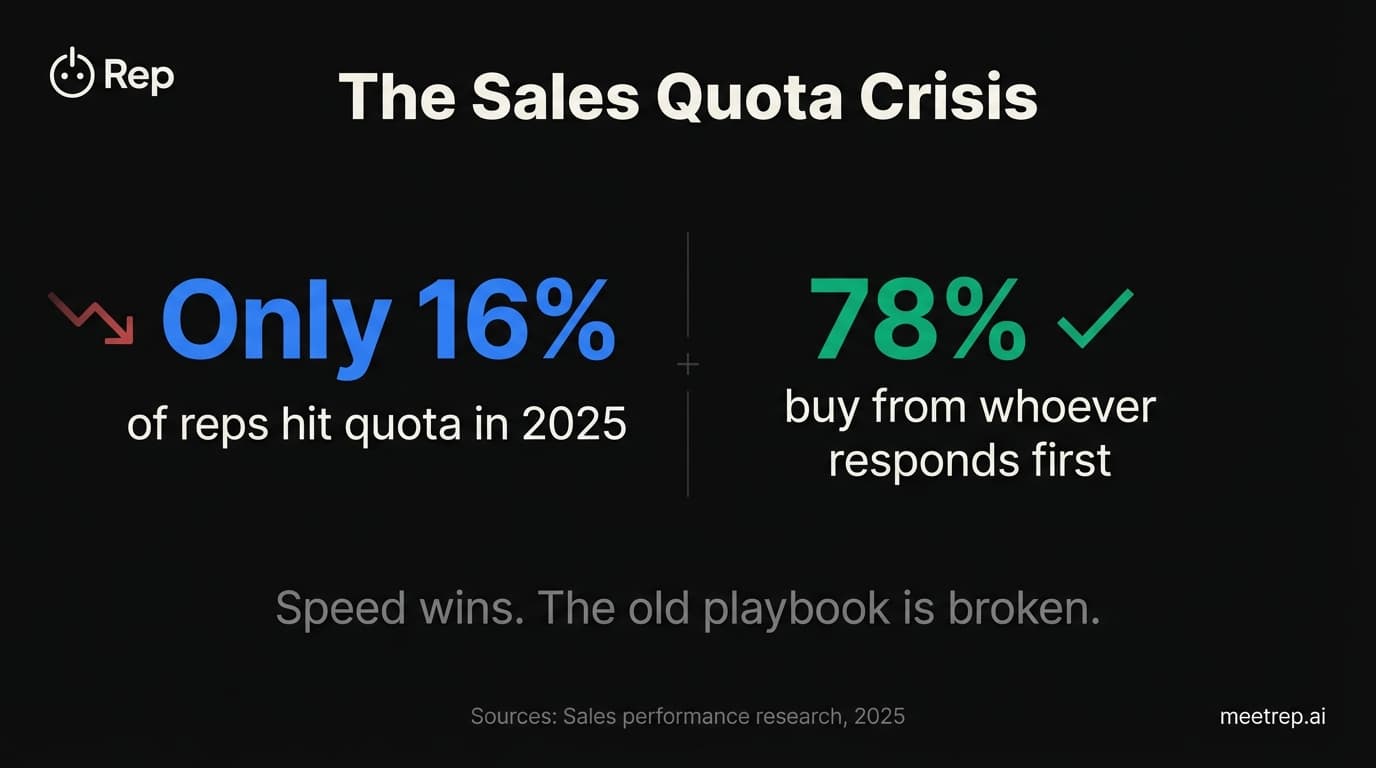
Why Autonomous Sales Software is the Future of B2B Sales (And Why the Old Playbook is Dead)
B2B sales is at a breaking point with quota attainment at 46%. Discover why autonomous 'Agentic AI' is the new standard for driving revenue and meeting the demand for rep-free buying.