Storylane vs Navattic vs Supademo: Which Demo Tool Actually Fits Your Team?

Executive Summary
- Storylane ($40-$1,200/mo): Best for cross-team GTM—marketing, sales, and CS from one platform. Only tool with screenshot + video + HTML formats. Highest ease-of-use rating (9.5/10 on G2).
- Navattic ($500-$1,000+/mo): Best for enterprise sales teams needing HTML-quality demos and ABM analytics. Steeper price, steeper learning curve, but pixel-perfect output.
- Supademo ($38-$350/mo): Best for startups and SMBs on a budget. Most generous free tier (5 demos). Great entry point, but HTML demos require a big price jump.
- The real question: What's your GTM motion? That determines the right tool—not feature checklists.
Every comparison of Storylane vs Navattic you'll find online was written by one of them. Same goes for Supademo. So you get polished marketing disguised as analysis—each vendor mysteriously coming out on top of their own comparison page.
I get it. I've built sales automation tools. At Rep, we're in this space. I know how the game works.
But here's what actually matters: these three tools solve different problems for different teams. Storylane isn't "better" than Navattic. Navattic isn't "better" than Supademo. The right choice depends on your GTM motion, your budget, and what your team will actually use.
This comparison cuts through the positioning. I'll show you real pricing (not the asterisked kind), actual feature differences, and which tool fits which situation. No affiliate links. No vendor agreements. Just the breakdown I'd want if I were evaluating these myself.
Why Interactive Demos Matter More in 2026
An interactive demo is a self-guided, clickable simulation of software that lets prospects experience your product without signing up or scheduling a call. Unlike static videos, interactive demos let users click through workflows and reach "aha moments" at their own pace—qualifying themselves before your team ever speaks with them.
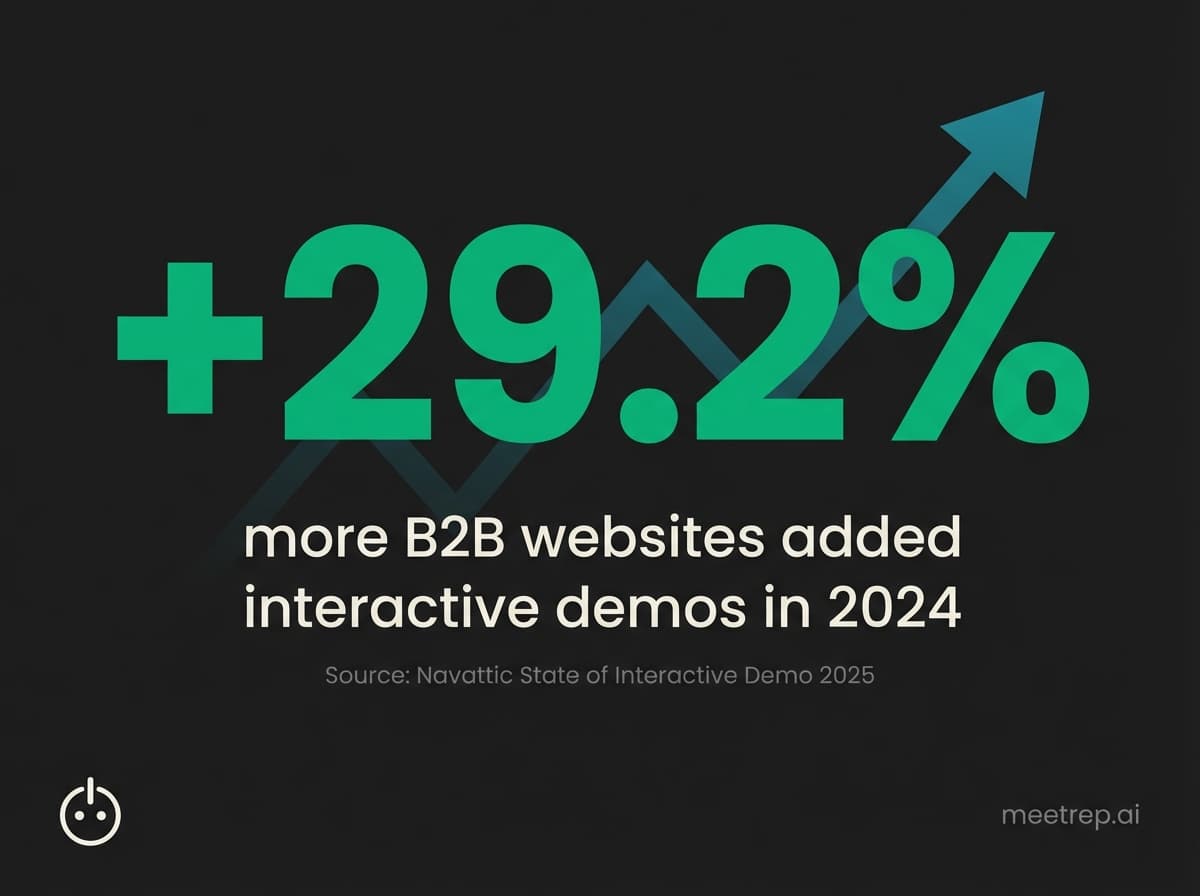
And they're no longer optional. They're expected. According to the Navattic State of Interactive Demo 2025 report, 29.2% more B2B websites added "Take a Tour" CTAs in 2024 compared to 2023. That's not gradual growth. That's a rush.
The reason is simple: buyers want to see your product before talking to sales. A Wynter survey of 100 B2B SaaS marketing executives found that 80%+ interact with interactive demos during evaluation. And 49% say the demo adds more value than any other part of the sales process.
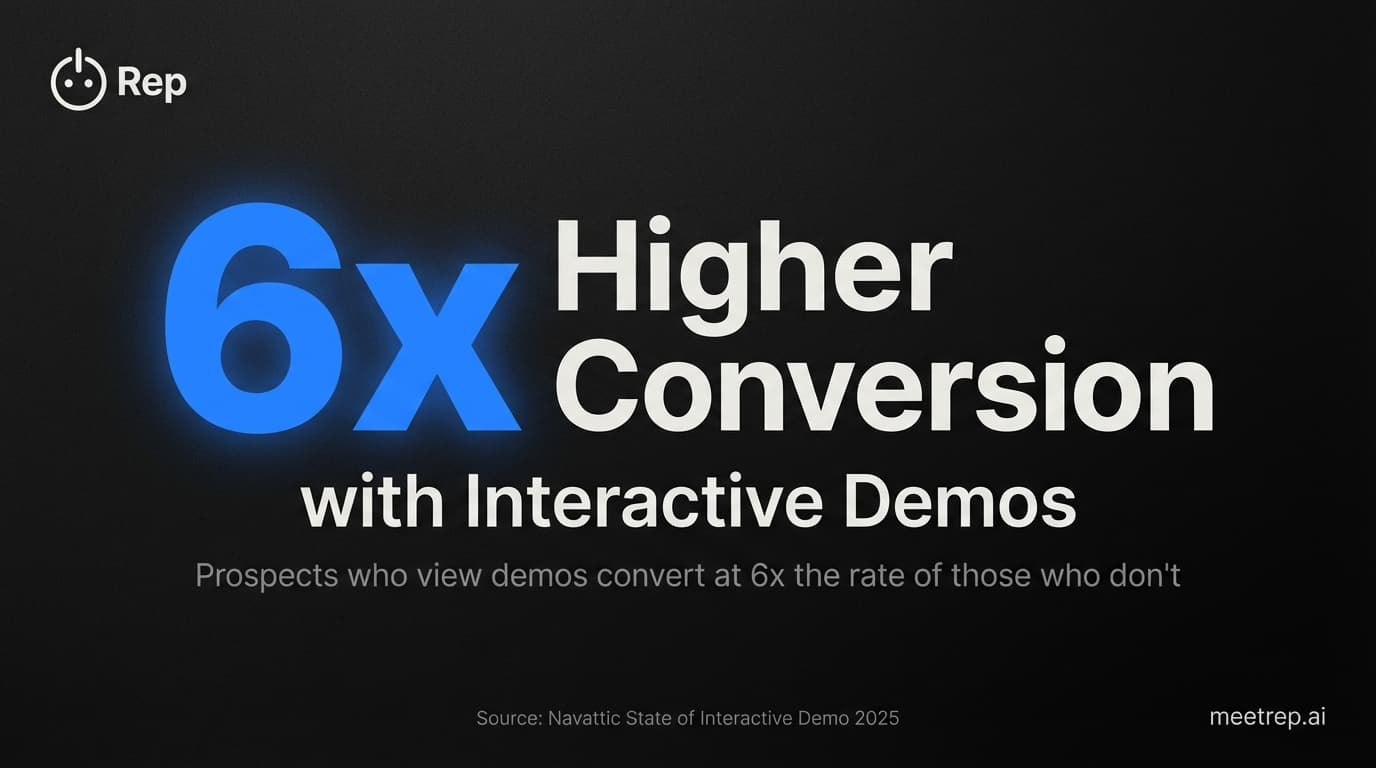
The Data: Prospects who view interactive demos are 6x more likely to convert, according to InDebted's analysis using HockeyStack attribution.
So yes, you probably need one of these tools. The question is which one.
What separates Storylane, Navattic, and Supademo isn't whether they work—they all create functional interactive demos. The difference is how they work and who they're built for.
How Storylane, Navattic, and Supademo Actually Differ
These tools look similar on the surface. Dig deeper and they're solving different problems.
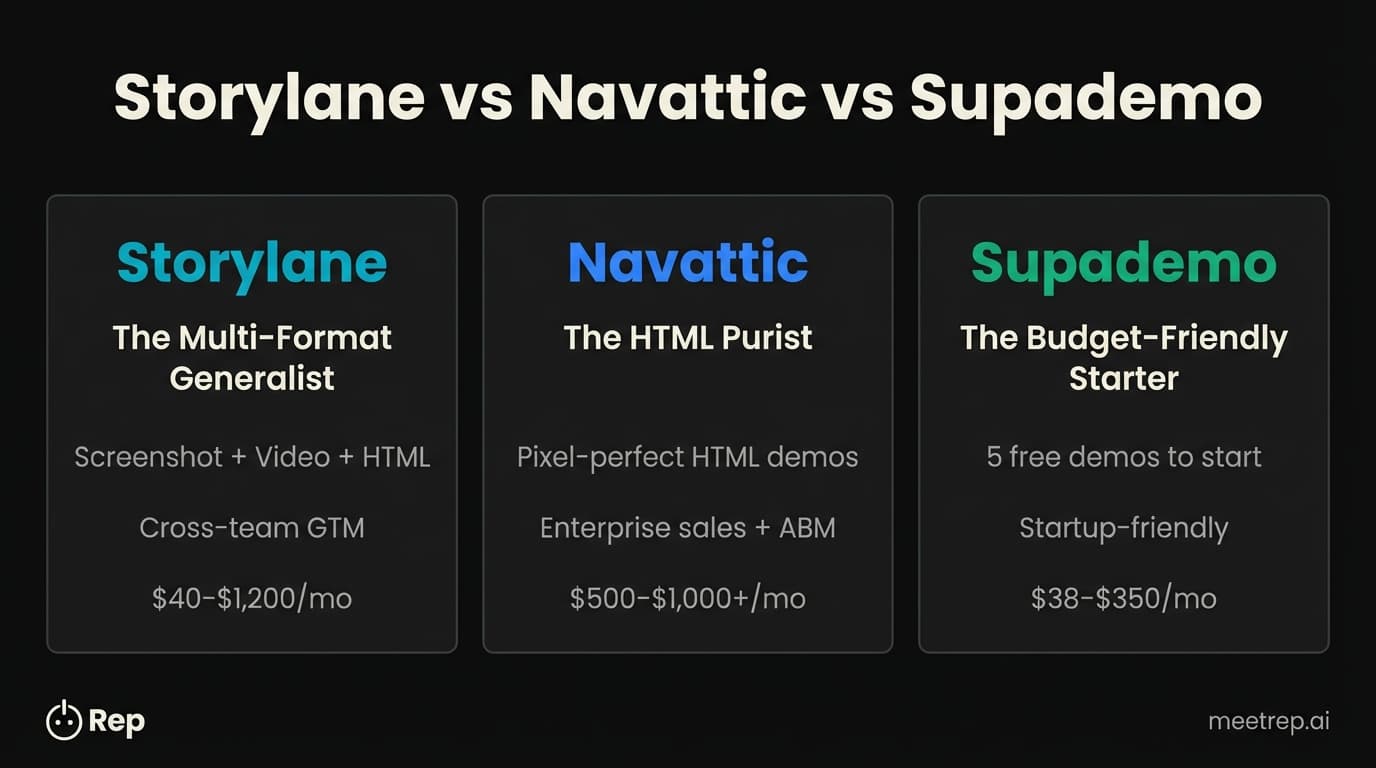
Storylane is the multi-format generalist. It's the only platform offering screenshot, video, AND HTML demo capture. That flexibility makes it popular with teams where marketing, sales, and customer success all need demos—but have different requirements. Marketing wants quick website embeds. Sales wants leave-behinds. CS wants onboarding walkthroughs. Storylane handles all three from one platform.
Navattic is the HTML purist. It captures your actual product's HTML/CSS code, preserving hover states, animations, and dynamic elements. The result is pixel-perfect demos that feel like the real product. But that quality comes with a steeper learning curve and higher price floor. Navattic is built for enterprise sales teams who need account-level analytics, sales rep portals (they call it Launchpad), and ABM-focused insights.
Supademo is the budget-friendly starter. It offers screenshot, video, and HTML capture like Storylane, but at a lower price point. The catch? HTML demos only become available at $350/month. For startups building their first demo, Supademo's free tier (5 demos) and $38/month Scale plan are hard to beat.
Key Insight: Don't pick based on who has the longest feature list. Pick based on who built for teams like yours.
Feature-by-Feature Breakdown
Let me break down the features that actually matter—not the 47-item checklists vendors use to bury the real differences.
Demo Capture Methods
This is the most important technical difference.
| Capture Method | Storylane | Navattic | Supademo |
|---|---|---|---|
| Screenshot | ✓ | — | ✓ |
| Video | ✓ | ✓ (video steps) | ✓ |
| HTML | ✓ (Growth+) | ✓ (core focus) | ✓ (Growth+) |
What this means: Screenshot demos are fast to create but static. Change your UI and you're re-capturing everything. HTML demos capture your actual code—dynamic, realistic, but harder to set up. Video is video.
Navattic bet everything on HTML. If you want the most realistic demo experience, that's their strength. Storylane and Supademo give you options.
AI Capabilities
All three are adding AI features. But the depth varies.
| AI Feature | Storylane | Navattic | Supademo |
|---|---|---|---|
| AI Demo Generation | Lily AI (autonomous agent) | AI Copilot (assist) | AI text/voiceover |
| AI Voiceovers | 65+ voices, 25+ languages | Yes (2025 launch) | 15+ languages |
| AI Avatars | Yes (12+ or custom) | Beta (AI Avatar Cloning) | AI voice cloning |
Storylane's Lily AI is the most ambitious—it's an autonomous agent that can build demos from descriptions. Navattic's Copilot assists but doesn't automate. Supademo focuses on voiceover AI rather than demo creation AI.
My take? AI demo creation is still early. I wouldn't pick a tool based on AI promises. Pick based on what works today.
Analytics and Integrations
| Feature | Storylane | Navattic | Supademo |
|---|---|---|---|
| Account Identification | Yes (Account Reveal) | Yes | IP/session data |
| A/B Testing | Growth+ | Growth+ | Not listed |
| CRM Integrations | Salesforce, HubSpot, Dynamics 365, FreshSales | Salesforce, HubSpot | Salesforce, HubSpot, Pipedrive |
| Total Integrations | 10+ | 25+ | Fewer |
Navattic wins on integration depth (25+). But all three connect to the CRMs that matter—Salesforce and HubSpot.
Key Insight: If you need deep analytics with account-level attribution and ABM playbooks, Navattic is purpose-built for that. Storylane and Supademo cover the basics but aren't as specialized.
Pricing Reality Check: What You'll Actually Pay
Vendor pricing pages are designed to confuse. Let me simplify.
Entry Level (Testing the Waters)
| Tier | Storylane | Navattic | Supademo |
|---|---|---|---|
| Free | 1 demo | 1 HTML demo | 5 demos |
| First Paid Tier | $40/user/mo (Starter) | $500/mo for 5 seats (Base) | $38/creator/mo (Scale) |
Supademo's free tier is the most generous. Five demos before you pay anything. That's enough to actually test whether interactive demos work for your site.
But here's the thing: Storylane's $40/month gets you screenshot demos only. Navattic's $500/month gets you HTML demos immediately. Supademo's $38/month is screenshot-only too.
So the entry prices aren't apples-to-apples.
Growth Level (Where Most Teams Land)
| Tier | Storylane | Navattic | Supademo |
|---|---|---|---|
| HTML Demo Access | $500/mo (Growth, 5 seats) | $500/mo (Base, 5 seats) | $350/mo (Growth, 5 creators) |
| With A/B Testing + Advanced Analytics | $500/mo (Growth) | $1,000/mo (Growth, 10 seats) | Not available |
If you want HTML demos, you're spending $350-500/month minimum regardless of vendor. Supademo is slightly cheaper. Navattic and Storylane are comparable at this tier.
Enterprise Level
| Tier | Storylane | Navattic | Supademo |
|---|---|---|---|
| Premium/Enterprise | $1,200/mo (10 seats) | Custom | Custom |
| Annual Average (per Vendr) | ~$25,000/year | ~$7,000/year | Not available |
Wait—Storylane's enterprise averages $25K/year while Navattic averages $7K? That Vendr data surprised me too. Storylane may be negotiable, but their enterprise pricing runs higher.
My Recommendation: Don't pay list price. All three negotiate, especially on annual contracts. Get quotes from all three before deciding.
Real Results from Real Companies
Vendor case studies are cherry-picked. Obviously. But the specific numbers are still useful for benchmarking what's possible.
Storylane Customer Results
| Company | Result | Source |
|---|---|---|
| SentinelOne | Saved 300+ hours; $280K+ influenced pipeline in 3 months | Storylane case study |
| Ignition | 10% of demo viewers became paying customers | Storylane case study |
| Waymark | 76% engagement rate; 32,000+ demo visitors | Storylane case study |
Navattic Customer Results
| Company | Result | Source |
|---|---|---|
| Klue | $550K pipeline in 60 days; demo requests tripled | Navattic blog |
| Ramp | 15% of website leads from Navattic tour | Navattic customer highlight |
| Coupa | Interactive demos influenced $10M+ ARR | Navattic blog |
Supademo Customer Results
| Company | Result | Source |
|---|---|---|
| beehiiv | 50% increase in free-to-paid conversion; ~$10K+ revenue in 2 months | Supademo case study |
| VRIFY | 75% reduction in enablement production time; $100K+ saved | Supademo pricing page |
The pattern? All three work. The question isn't "does it work" but "which results matter most to your team?"
If you're measuring influenced pipeline at scale, Storylane and Navattic have more enterprise proof points. If you're a startup measuring direct conversion impact, Supademo's beehiiv case study (50% conversion lift) is compelling.
What Users Actually Say (G2 Reviews, Unfiltered)
G2 ratings are nearly identical across all three. But the comments reveal real differences.
| Metric | Storylane | Navattic | Supademo |
|---|---|---|---|
| Overall Rating | 4.8/5 | 4.8/5 | 4.8/5 |
| Review Count | 1,132+ | 400+ | 200+ |
| Ease of Use | 9.5/10 | 9.0/10 | 9.3/10 |
What People Love
Storylane: "Helps us create engaging, interactive product experiences without heavy dependence on engineering." The ease-of-use praise is consistent—Storylane ranked #6 fastest-growing product on G2 out of 117,579 products.
Navattic: "Exceptional customer support" (9.7/10 on G2). Users praise the HTML capture quality and the research team's State of Interactive Demo reports. It's genuinely useful industry data.
Supademo: "Zero learning time" and "minimal learning curve" appear repeatedly. For teams that need to ship fast without training, that matters.
What People Complain About
Storylane: "Lack of clear insights into next steps after a demo is viewed." Analytics depth is a recurring complaint. Also: limited design customization.
Navattic: "Intimidating at first" and "mobile experience feels clunky." The learning curve is real. And mobile demos need work.
Supademo: "Significant price jump from Scale to Growth." Going from $38/month to $350/month for HTML is a big leap.
The Data: According to Navattic's analysis of 28,000+ demos, top 1% demos achieve 84.4% engagement rates, 61.6% completion rates, and 54% CTR. The tool matters less than demo quality.
Who Should Choose What
After everything, here's my honest recommendation.
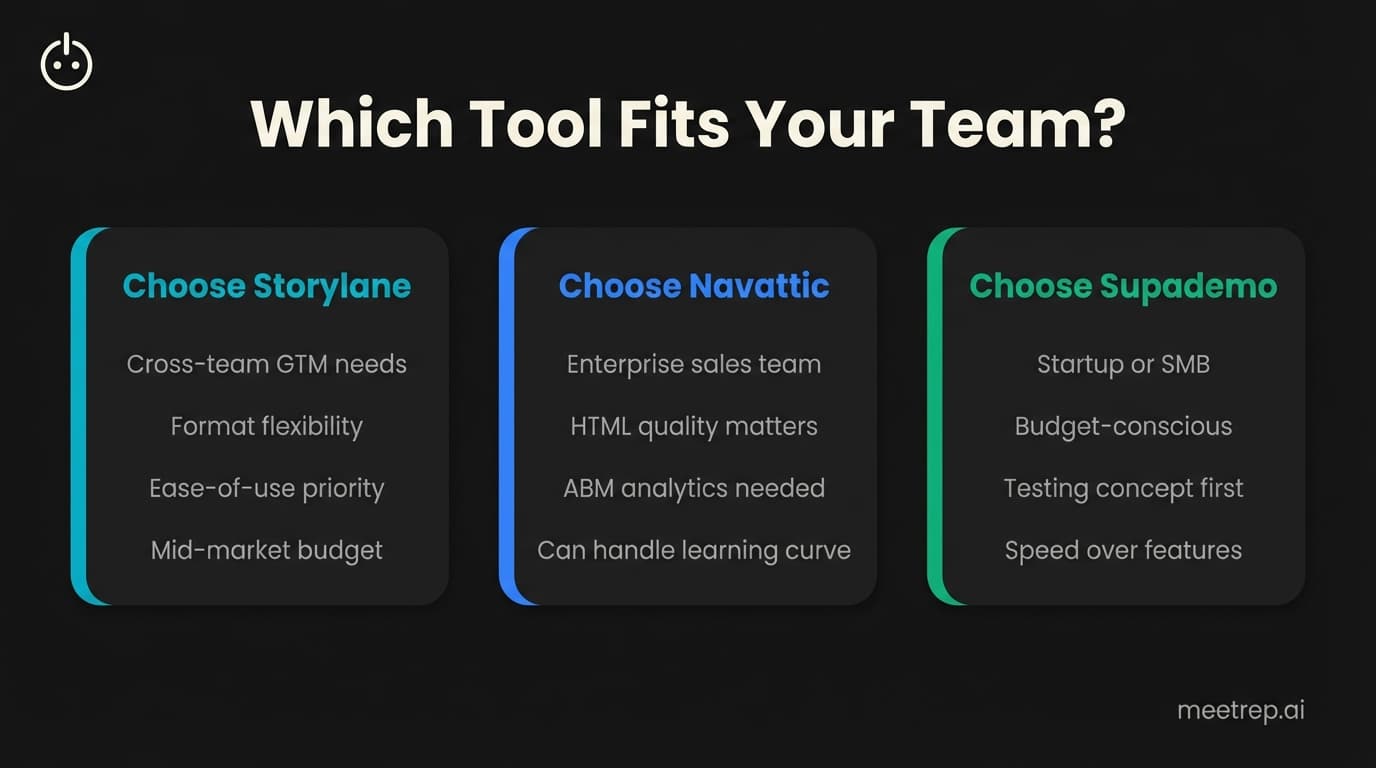
Choose Storylane If:
- You need one platform for marketing, sales, AND customer success
- You want flexibility across demo formats (screenshot, video, HTML)
- Ease of use is non-negotiable—your team won't tolerate a learning curve
- You're mid-market with budget for $500+/month
Choose Navattic If:
- You're an enterprise sales team with ABM requirements
- Demo quality must be pixel-perfect (HTML-first matters to you)
- You want the deepest analytics and account identification
- You can handle a steeper learning curve for better output
- You have budget starting at $500/month minimum
Choose Supademo If:
- You're a startup or SMB watching every dollar
- You want to test interactive demos before committing ($38/month entry)
- You don't need HTML demos yet (screenshot works for now)
- Speed to first demo matters more than advanced features
What About Live Demo Automation?
One thing these tools don't do: live, real-time demos with AI that actually talks to prospects and answers questions. They're self-guided experiences—powerful for scale, but asynchronous.
At Rep, we're building something different: an AI that joins video calls, shares its screen, and walks prospects through your product in real conversation. It's a different problem—live qualification vs. self-serve exploration.
If you need both? Use one of these tools for website embeds and async sharing. Use live demo automation for real-time conversations. They're complementary, not competitive.
So which tool wins? None of them. And all of them.
The "best interactive demo tool" depends on your team, your budget, and your GTM motion. Storylane gives you flexibility. Navattic gives you depth. Supademo gives you affordability.
My honest take: if you're mid-market or above with budget, Storylane or Navattic will both serve you well—pick based on whether you value format flexibility (Storylane) or HTML quality and analytics depth (Navattic). If you're a startup counting every dollar, start with Supademo's free tier and upgrade when you've proven the ROI.
One thing is certain: buyers expect to see your product before talking to your team. According to Navattic's research, 20-25% of companies see website conversion lifts from adding interactive demos. That's not a nice-to-have anymore.
Pick your tool. Build your first demo. Start testing.

Nadeem Azam
Founder
Software engineer & architect with 10+ years experience. Previously founded GoCustomer.ai.
Nadeem Azam is the Founder of Rep (meetrep.ai), building AI agents that give live product demos 24/7 for B2B sales teams. He writes about AI, sales automation, and the future of product demos.
Frequently Asked Questions
Table of Contents
- Why Interactive Demos Matter More in 2026
- How Storylane, Navattic, and Supademo Actually Differ
- Feature-by-Feature Breakdown
- Pricing Reality Check: What You'll Actually Pay
- Real Results from Real Companies
- What Users Actually Say (G2 Reviews, Unfiltered)
- Who Should Choose What
Ready to automate your demos?
Join the Rep Council and be among the first to experience AI-powered demos.
Get Early AccessRelated Articles
Hexus Acquired by Harvey AI: Congrats & What It Means for Demo Automation Teams
Hexus is shutting down following its acquisition by Harvey AI. Learn how to manage your migration and discover the best demo automation alternatives before April 2026.
Why the "Software Demo" is Broken—and Why AI Agents Are the Future
The traditional software demo is dead. Discover why 94% of B2B buyers rank vendors before calling sales and how AI agents are replacing manual demos to scale revenue.
Why Autonomous Sales Software is the Future of B2B Sales (And Why the Old Playbook is Dead)
B2B sales is at a breaking point with quota attainment at 46%. Discover why autonomous 'Agentic AI' is the new standard for driving revenue and meeting the demand for rep-free buying.