The 2026 Guide to Sales Demo Platforms: From Click-Throughs to Autonomous Agents

Executive Summary
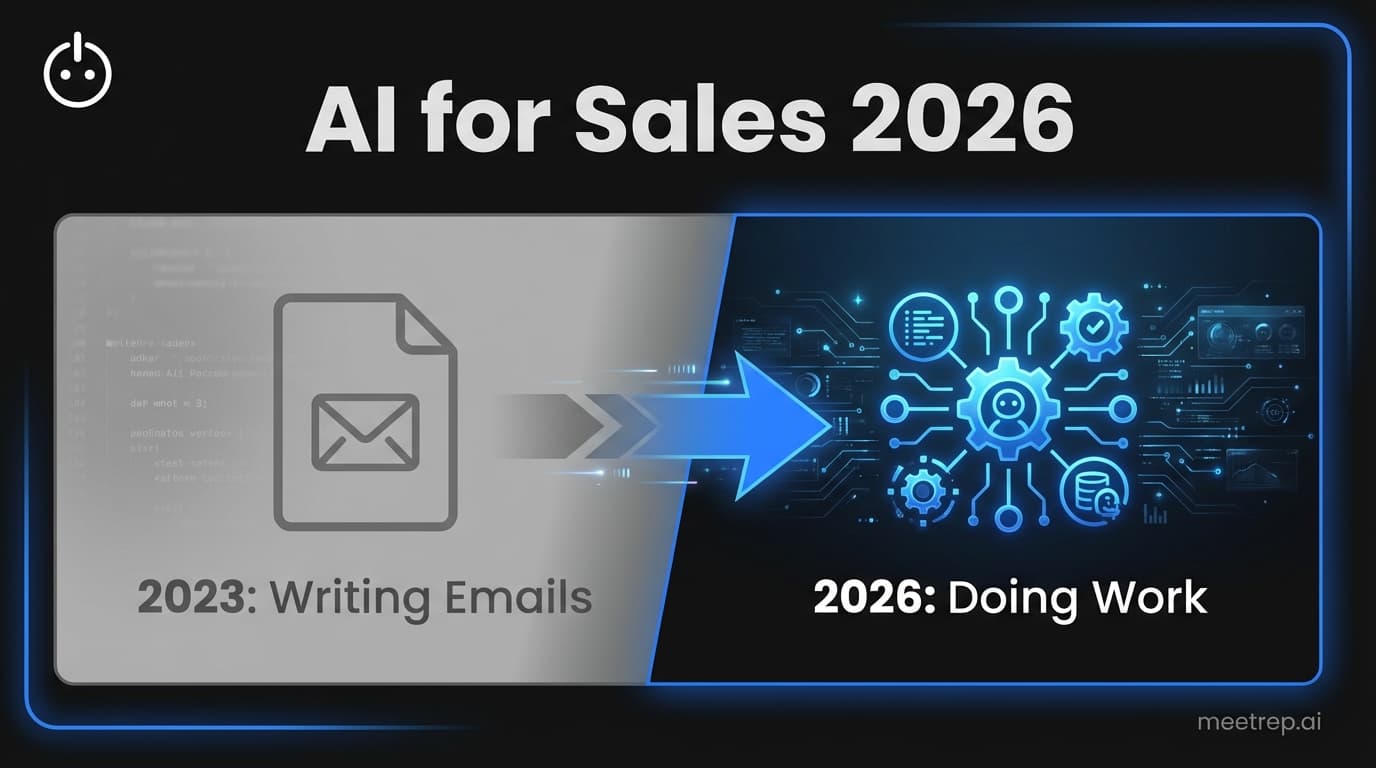
- The Shift: The market is moving from passive "click-through" tours to autonomous AI agents that navigate live software.
- The Cost: A single manual demo costs 3 hours of prep time Source and bottlenecks your team.
- The Risk: 50% of enterprise buyers now prefer digital self-serve transactions Source. If you gate your product, you lose them.
- The Solution: Autonomous demo platforms can reduce CAC by up to 71% Source by handling the "harbor tour" 24/7.
In 2026, the biggest threat to your pipeline isn't a competitor. It's your calendar.
B2B sales cycles have lengthened by 22% since 2022, largely because buyers are stuck waiting for open slots on a spreadsheet. I've seen this firsthand building sales tech: you spend thousands driving traffic, only to force your highest-intent leads into a scheduling queue.
The result? They go to a competitor who lets them see the product now.
For years, "demo automation" meant static, click-through screenshots. That era is ending. We are now entering the age of the sales demo platform powered by autonomous agents—software that doesn't just display your product, but actually drives it.
Here is what RevOps leaders need to know to survive the shift.
What Is a Sales Demo Platform in 2026?
A sales demo platform is software that enables revenue teams to create, deliver, and analyze product demonstrations without requiring a live human present for every interaction. In 2026, this category has evolved from simple screen capture tools to autonomous AI agents that can navigate live software, answer prospect questions via voice, and qualify leads in real-time.
Most people still confuse two very different technologies here.
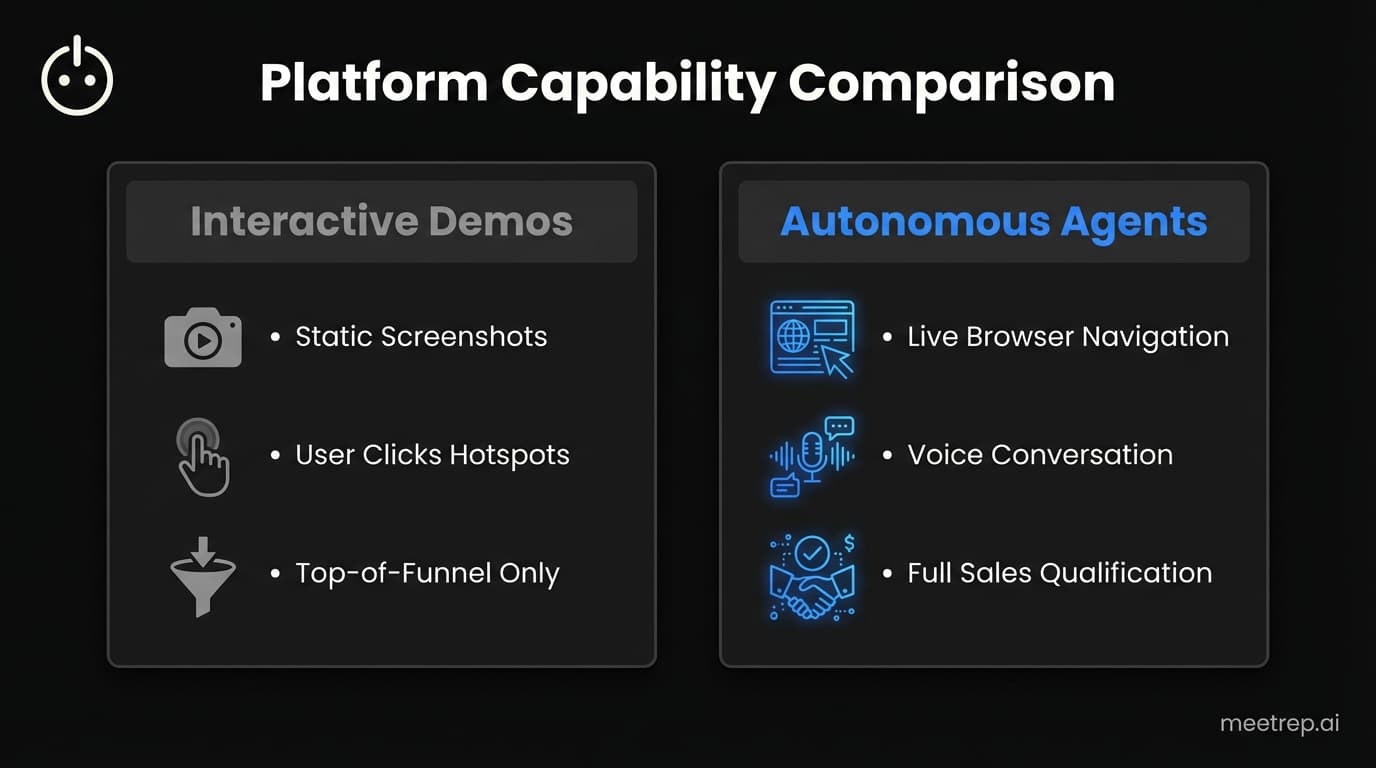
First, you have Interactive Demos (tools like Navattic or Walnut). These are essentially "slideshows on steroids." They capture HTML and screenshots to create a safe, clickable tunnel for marketing. Great for websites. Bad for deep sales qualification.
Then, you have Autonomous Agents (what we build at Rep). These use "Agentic AI" Source to log into your actual product environment. They share their screen in a video call, move the mouse, click buttons, and talk to the prospect.
The difference matters. One is a brochure; the other is a digital employee.
Key Insight: Active deployment of AI agents is projected to increase by 119% between 2024 and 2025 Source. This isn't science fiction anymore; it's your competitor's headcount strategy.
Why the "Human-Only" Demo Model Is Broken
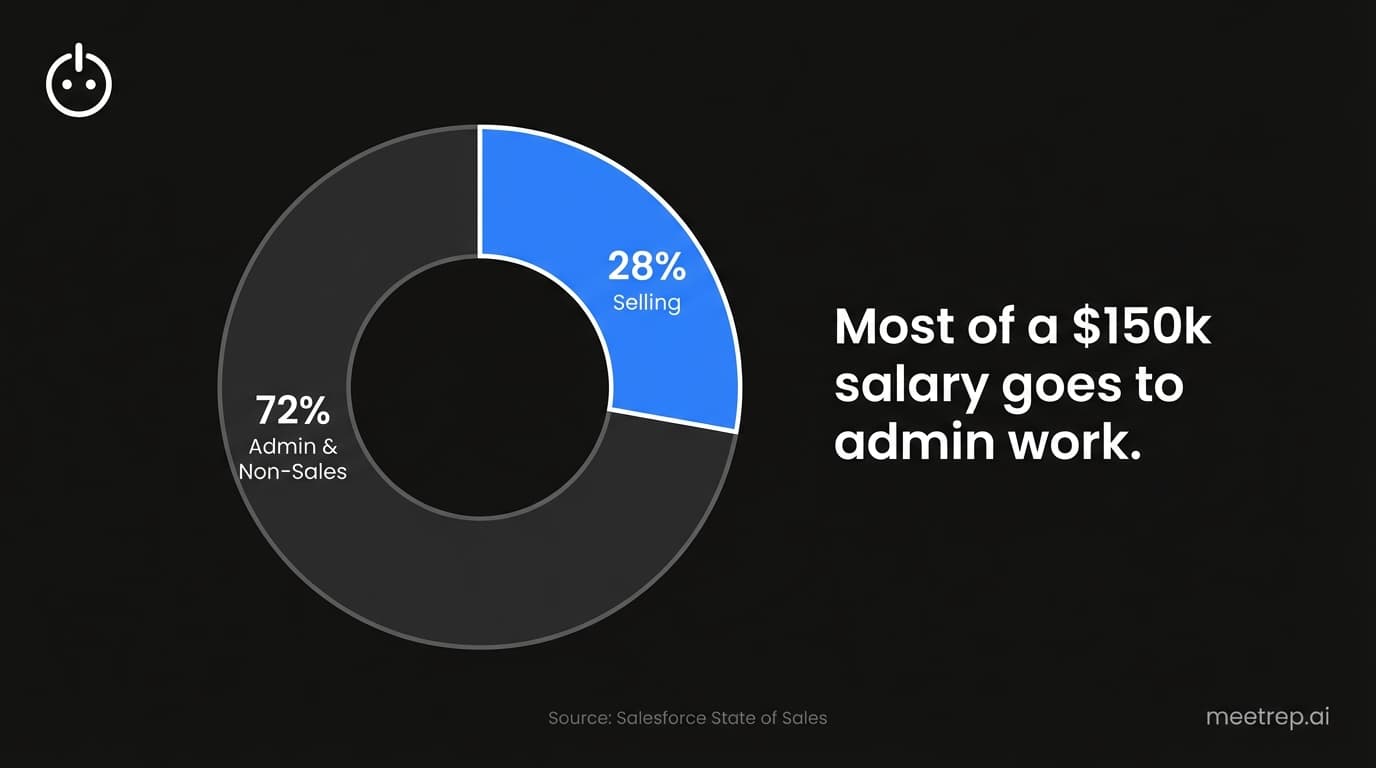
Let's look at the math. It's ugly.
According to research from Consensus, the typical sales demo requires 3 hours of preparation time by a Solutions Engineer (SE) Source.
Three hours. For one call.
If your SE does five demos a week, that’s 15 hours of prep—nearly two full workdays—gone. And that doesn't include the demo itself or the follow-up.
When we built GoCustomer.ai, and now at Rep, we saw the same pattern repeatedly. RevOps leaders try to solve this by hiring more SEs. But you cannot hire your way out of a linear capacity problem when your lead flow is exponential.
The Hidden Costs of Human-Gated Demos:
- Pipeline Leakage: The average B2B website visitor-to-lead conversion rate is sitting at a dismal 1.8% Source. Why? Because 98.2% of people refuse to fill out a "Book a Demo" form and wait three days.
- SE Burnout: Your expensive engineers are bored. They are doing the same "harbor tour" intro demo 50 times a month. That’s how you lose top talent.
- Sales Cycle Drag: Sales cycles have lengthened by 22% since 2022 Source. The primary culprit isn't budget; it's the logistical friction of coordinating six stakeholders Source for a Zoom call.
My take? If your product requires a human to open the front door, you are blocking half your revenue. Forrester predicts that in 2025, over 50% of large B2B purchases will transact through digital self-serve channels Source.
If you aren't ready for self-serve, you aren't ready for enterprise.
Comparison: Interactive Demos vs. Autonomous Agents
So which type of sales demo platform do you need?
At Rep, we often see teams buy the wrong tool for the job. They buy a screenshot tool for sales, or an agent tool for a simple marketing landing page.
Here is the breakdown of where each technology fits:
| Feature | Interactive Demos (e.g., Navattic, Walnut) | Autonomous Agents (e.g., Rep) |
|---|---|---|
| Core Tech | HTML/Screenshot Capture (Passive) | Live Browser Navigation (Active) |
| Interaction | User clicks "Next" or hotspots | Voice conversation & Q&A |
| Best For | Top-of-Funnel (Marketing Website) | Mid/Bottom-Funnel (Qualification & Sales) |
| Personalization | Pre-set branching paths | Dynamic pivoting based on context |
| Setup Time | Hours (Screenshots & Hotspots) | Minutes (AI watches you demo once) |
| Data Output | Clicks and heatmaps | Voice transcript, objections, next steps |
My recommendation: Use interactive demos for your public website to replace static screenshots. Use autonomous agents (like Rep) to replace the first SDR/AE call.
Why? Because a screenshot tour can't answer, "Does this integrate with our specific Oracle instance?" An AI agent with access to your technical documentation can.
The Business Case: ROI and Efficiency
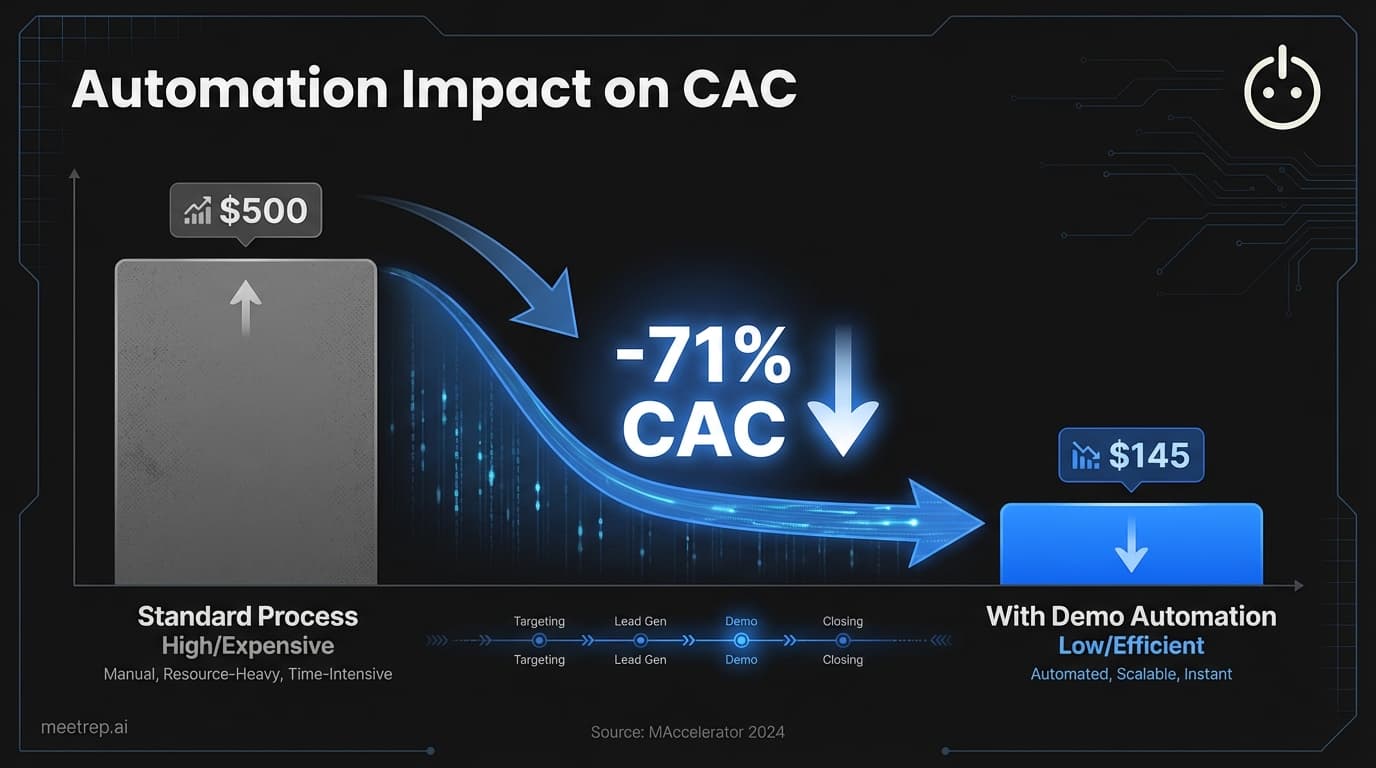
When you pitch a sales demo platform to your CFO, don't talk about "cool tech." Talk about CAC.
The economics of a live demo are brutal. You are paying an AE ($150k/year) and an SE ($180k/year) to spend an hour with a prospect who might not even be qualified.
Automating this stage changes the unit economics of your sales team entirely.
The Numbers:
- Faster Deals: Companies using demo automation report up to a 30% reduction in sales cycles Source.
- Higher Win Rates: Gainsight saw a 25% increase in win rates by using platforms to tailor their storytelling Source.
- CAC Collapse: Automating the post-demo workflow and qualification can cut Customer Acquisition Cost (CAC) by up to 71% Source.
What we learned at GoCustomer: Efficiency isn't just about speed. It's about consistency. A human rep has bad days. They forget to mention the new feature. They get tired. An automated system delivers your "perfect pitch" every single time, 24/7.
Strategic Implementation for RevOps
If you decide to deploy a sales demo platform, be careful. I've seen implementations fail because teams treated it as a "set and forget" project.
It's not magic. It's a workflow.
1. Don't automate everything at once Start with the "Intro Demo" (the Harbor Tour). This is the repetitive, high-volume, low-complexity call that your SEs hate. Let the AI agent handle this. Keep your humans for the "Custom Workshop" demo.
2. Watch out for "Agent Sprawl" With AI agent deployment up 119%Source, it is easy to end up with five different bots doing five different things. Centralize your demo logic. At Rep, we built "Organization-scoped isolation" to ensure that your agent knows your security rules and doesn't hallucinate features you don't have.
3. Integrate with the CRM This is non-negotiable. If the data from the demo doesn't flow into Salesforce or HubSpot, it didn't happen. You need to know:
- Did they ask about pricing?
- Did they spend 10 minutes on the analytics dashboard?
- Did they express a pain point about security?
Digital body language is real. But only if you capture it.
Common Mistake: Treating the demo platform as a gate. Don't force users to fill out a 12-field form to access the AI demo. The whole point is friction reduction. Let them in.
The Calendar Is the Enemy
The era of "please wait 3 days for a demo" is over.
Your buyers are researching at 9 PM on a Tuesday. They want answers, they want to see the product, and they don't want to talk to a human just to see a dashboard.
If you force them to wait for your schedule, you are losing them to a competitor who won't.
My advice? Audit your "Time-to-Demo." If it's longer than 5 minutes, you have a friction problem. Whether you use Rep or another solution, the goal is the same: stop gating your value behind a calendar invite.
Let the product sell itself.

Nadeem Azam
Founder
Software engineer & architect with 10+ years experience. Previously founded GoCustomer.ai.
Nadeem Azam is the Founder of Rep (meetrep.ai), building AI agents that give live product demos 24/7 for B2B sales teams. He writes about AI, sales automation, and the future of product demos.
Frequently Asked Questions
Table of Contents
- What Is a Sales Demo Platform in 2026?
- Why the "Human-Only" Demo Model Is Broken
- Comparison: Interactive Demos vs. Autonomous Agents
- The Business Case: ROI and Efficiency
- Strategic Implementation for RevOps
- The Calendar Is the Enemy
Ready to automate your demos?
Join the Rep Council and be among the first to experience AI-powered demos.
Get Early AccessRelated Articles
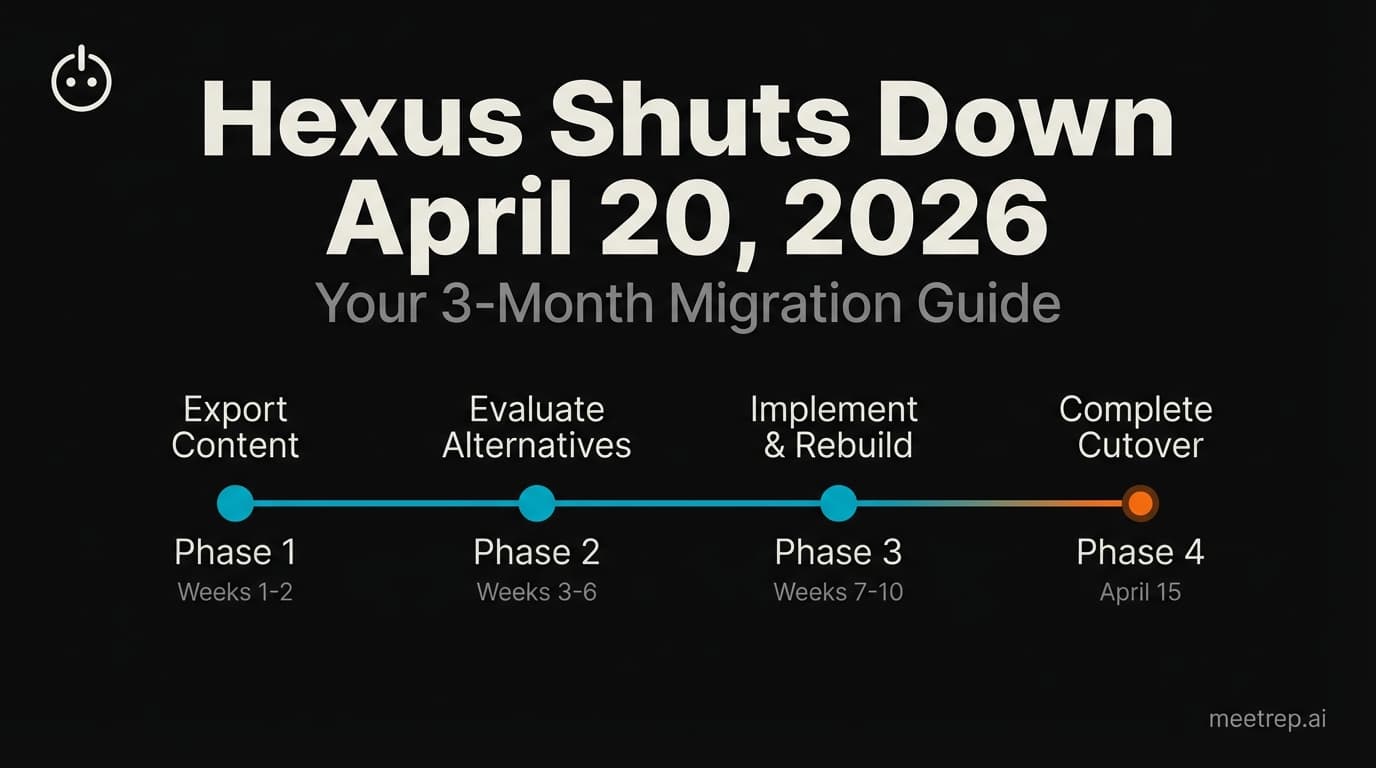
Hexus Acquired by Harvey AI: Congrats & What It Means for Demo Automation Teams
Hexus is shutting down following its acquisition by Harvey AI. Learn how to manage your migration and discover the best demo automation alternatives before April 2026.
Why the "Software Demo" is Broken—and Why AI Agents Are the Future
The traditional software demo is dead. Discover why 94% of B2B buyers rank vendors before calling sales and how AI agents are replacing manual demos to scale revenue.
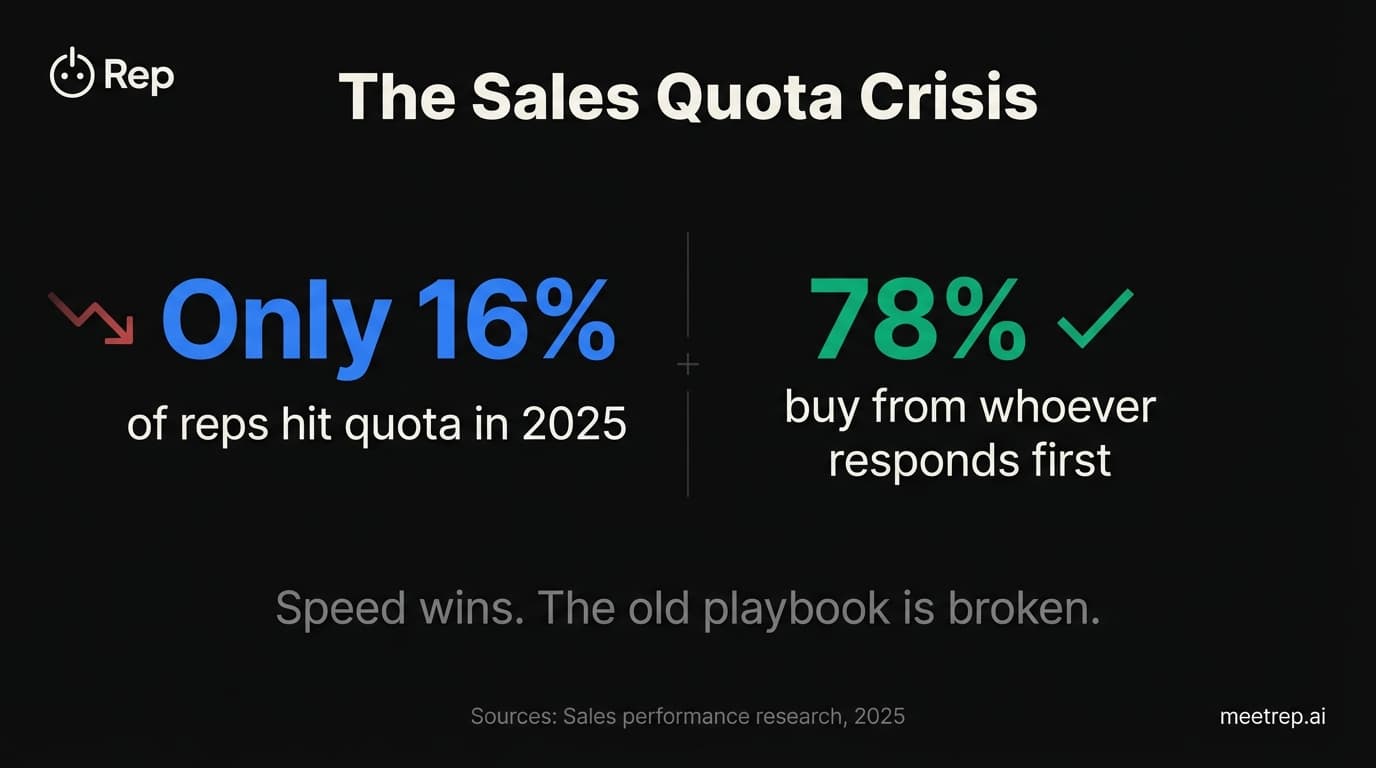
Why Autonomous Sales Software is the Future of B2B Sales (And Why the Old Playbook is Dead)
B2B sales is at a breaking point with quota attainment at 46%. Discover why autonomous 'Agentic AI' is the new standard for driving revenue and meeting the demand for rep-free buying.