Product Specialist Job Description: A Guide for Leaders (2026)

Executive Summary
- The Role: Product Specialists bridge the gap between technical product knowledge and revenue teams. They are not Sales Engineers (who build architectures) or Product Managers (who build roadmaps).
- The Shift: Modern buyers demand self-service. 50% of large deals happen without sales interaction.
- The Hybrid Model: Smart leaders use AI agents for repetitive intro demos and hire Product Specialists for complex, high-value consulting.
- The Cost: Expect to pay between $106k–$125k base salary in the US.
If you are looking for a product specialist job description because your Account Executives (AEs) are drowning in technical questions, you aren't alone.
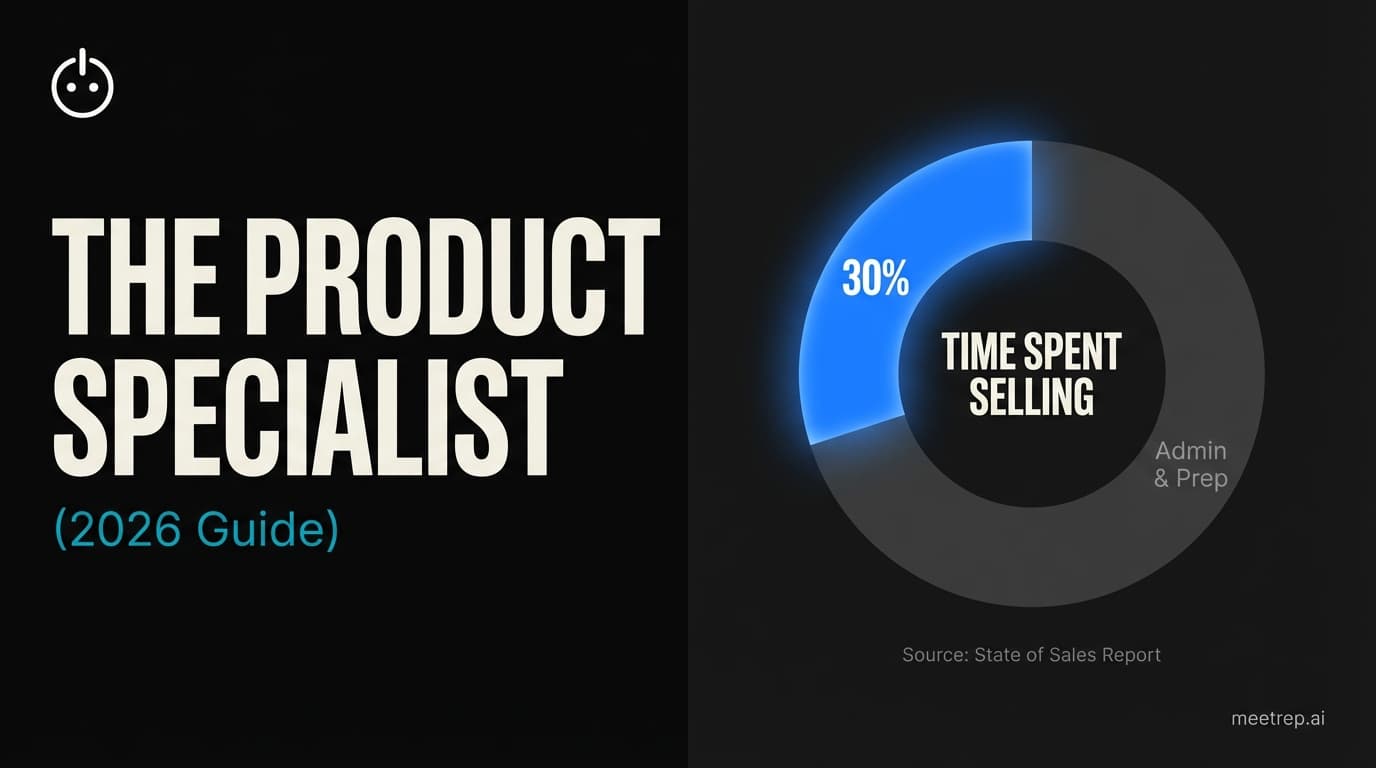
The math is brutal. In the latest State of Sales report, reps confirmed they spend only 30% of their time actually selling. The other 70%? It’s administrative work, prep, and repetitive product explanations.
At GoCustomer.ai, we saw this constantly. AEs would spend hours giving the exact same "Intro to Platform" demo, only to have the prospect ghost them. It burns cash, and it burns out your best talent.
But before you rush to hire a Product Specialist to plug this gap, pause. The role has changed. In 2026, you shouldn't be hiring a human to be a repetitive demo machine. You should be hiring a strategist who bridges the gap between product and sales.
Here is what that role actually looks like today, how much it pays, and the template you need to hire the right one.
What Is a Product Specialist? (And What They Are Not)
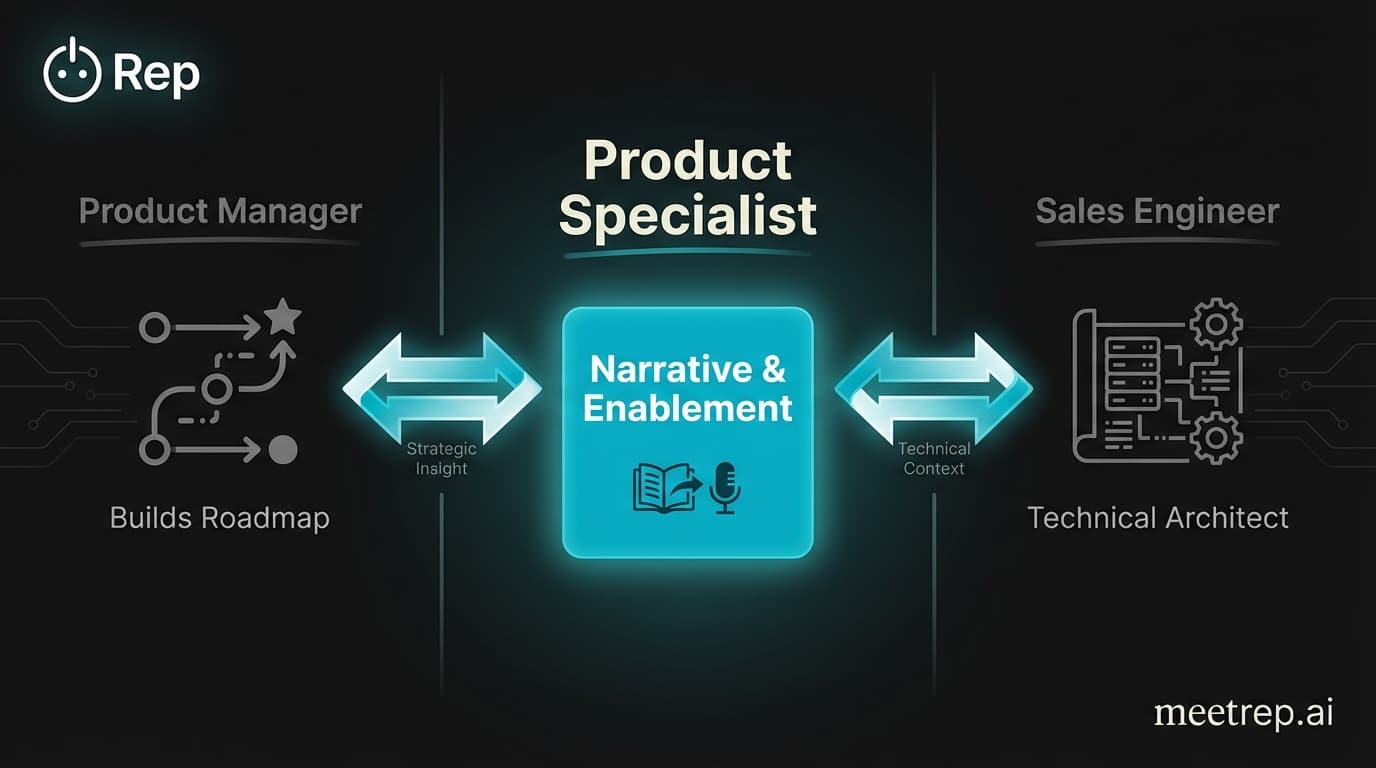
A Product Specialist is a subject matter expert who sits between a company’s product, sales, and customer success teams. Unlike Product Managers who decide what to build, Product Specialists focus on how to sell and adopt the product. Their primary job is to take technical complexity and translate it into a compelling narrative for buyers and internal teams.
In my experience, confusion happens when leaders mix this role up with similar-sounding titles. Let's be precise.
A Product Specialist is not a Sales Engineer. Sales Engineers (SEs) are technical architects. They open up the API documentation, write code snippets, and figure out how to integrate your tool into a prospect’s legacy stack.
A Product Specialist is not a Product Manager. PMs own the roadmap and engineering resources. If your specialist is writing JIRA tickets for developers, you’ve hired the wrong role.
Key Insight: Think of the Product Specialist as your "Editor in Chief" for the sales narrative. They ensure every rep knows the latest features, and they step in to handle the storytelling on key accounts.
Product Specialist vs. Sales Engineer vs. Product Manager
I’ve had to define these lanes in my own companies to prevent turf wars. Here is the breakdown:
| Feature | Product Specialist | Sales Engineer (SE) | Product Manager (PM) |
|---|---|---|---|
| Primary Goal | Sales enablement & adoption | Technical feasibility & security | Product strategy & roadmap |
| Main Audience | Sales Reps & Buyers | CTOs & Developers | Engineers & Designers |
| Demo Style | Value-based storytelling | Technical/Architecture deep dive | Internal/Sprint demos |
| Key Metric | Revenue / Adoption Rates | Technical Win Rate | Feature Usage / Retention |
| Involvement | Broad (1:Many) | Narrow (1:1 per deal) | Strategic (Internal) |
Core Responsibilities & Skills (The 2026 Standard)
If you copy a job description from 2022, you’ll probably list "Conduct product demonstrations" as bullet point number one.
That’s a mistake.
Why? Because buyer behavior has shifted radically. According to Forrester, 50% of large B2B transactions (we're talking $1M+ deals) are now processed through digital self-serve channels. Buyers don't want to wait three days for your specialist to walk them through a slide deck.
The modern Product Specialist isn't a "demo jockey." They are an enabler.
1. The "Voice of the Customer" Loop
The specialist is the only person who speaks fluent "Sales" and fluent "Product." They gather feedback from the field—why we lost the deal, where users got stuck—and translate it into structured insights for the product team. This isn't just forwarding an angry email; it's analyzing trends.
2. Strategic Sales Enablement
Instead of doing every demo themselves, they build the "battle cards," the comparison guides, and the FAQ libraries that empower the other 50 reps to sell effectively. They scale their knowledge.
3. Market Intelligence
They obsess over the market. While your AEs are focused on their quota, the Product Specialist is watching competitors. What features did they just launch? How do we position against them?
4. High-Stakes Storytelling
They step in for the "make or break" moments. When a massive deal is on the line and the standard script won't cut it, the Product Specialist crafts a custom narrative.
What we learned at GoCustomer: We initially tried to have our specialists handle every demo request. It failed. They burned out, and lead response times tanked. We realized their value wasn't in volume, but in quality and enablement.
The "Demo Bottleneck": Why This Role is Changing
There is a hidden cost to hiring a human Product Specialist to handle your intro demos.
It’s the cost of friction.
Today's buyers are overwhelmingly Millennial and Gen Z. Shopify's research shows that 73% of Millennials view self-service not as a perk, but as "table stakes." They want to see the product now, not next Tuesday at 2:00 PM EST.
If your job description focuses entirely on "delivering live demos," you are setting this person up to fail against competitors who offer instant access.
The Hybrid Model: Humans + AI Agents
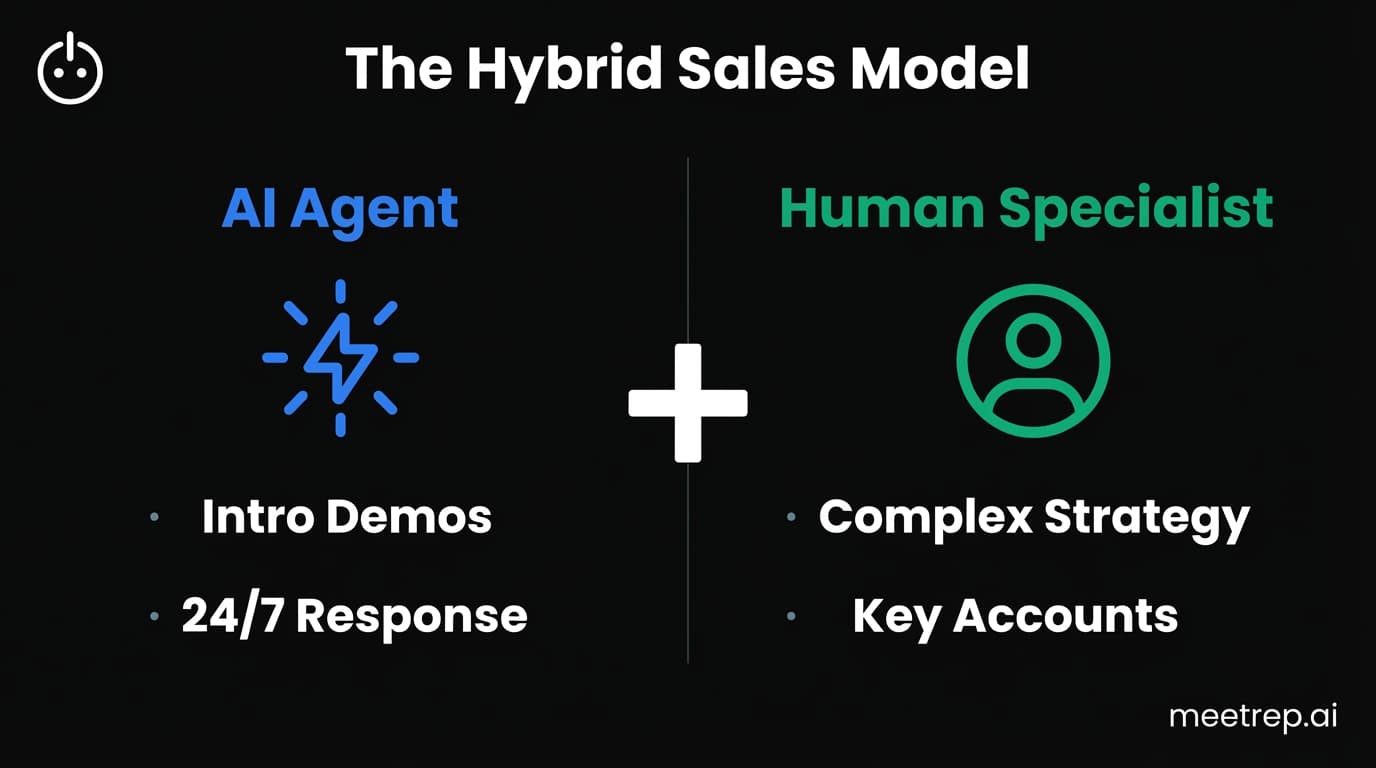
Smart leaders are splitting the role. They use AI agents (like Rep) to handle the top-of-funnel volume and human specialists for the bottom-of-funnel complexity.
Here is how the responsibilities split in a modern org:
The AI Agent (e.g., Rep) Handles:
- The "Intro" Demo: 24/7 availability for anyone who clicks "See Product."
- Standard Qualification: Filtering out the tire-kickers.
- Repetitive FAQs: Answering "Does it integrate with Salesforce?" for the 1,000th time.
- Data Capture: Recording every question and click automatically.
The Human Product Specialist Handles:
- Complex Workflows: Mapping the product to a specific, messy enterprise use case.
- Relationship Building: Earning trust with the buying committee.
- Internal Strategy: Training the sales team on the new AI-captured insights.
This isn't theory. Inbound leads are 70% more likely to sign up for trials after engaging with interactive product tours compared to passive video. Automation works for the initial hook.
My recommendation: Don't hire a $120k specialist to do work that an AI agent can do better at 2 AM. Hire the specialist to do the strategic work the AI can't do.
Product Specialist Salary Benchmarks (2025/2026)
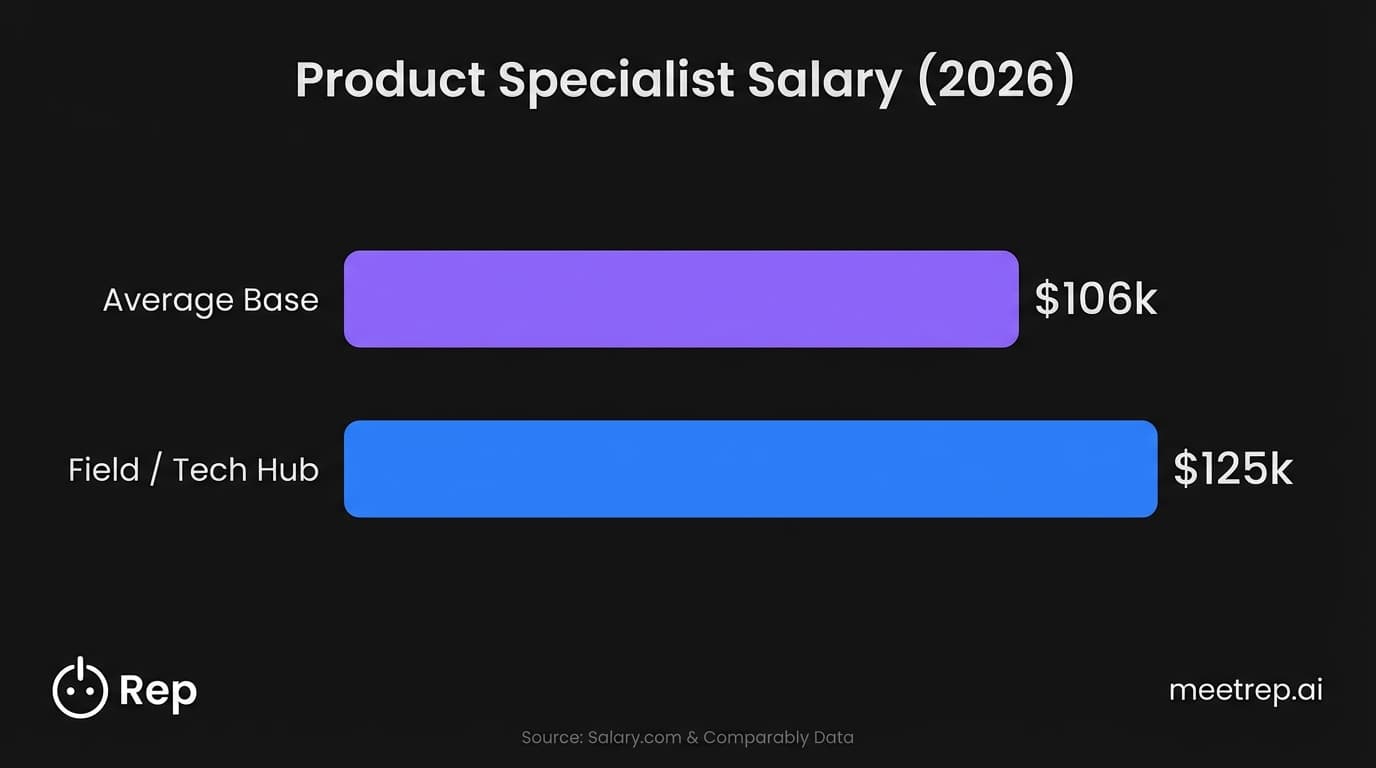
Budgeting for this role can be tricky because the title is used loosely. If you hire someone who is essentially customer support, you might pay $60k. If you hire a pseudo-Sales Engineer, you might pay $160k.
Based on Salary.com data from early 2026, the average annual salary for a Product Specialist in the US is approximately $106,316.
However, for field-facing roles in tech hubs, the number climbs. Comparably’s late 2025 data pegs Field Product Specialists closer to $125,884.
Common Compensation Structures:
- Base Only: Common for roles that lean towards Product/Marketing.
- Base + Bonus: Tied to overall company revenue or product adoption goals.
- 70/30 Split (Overlay): A base salary with a variable component tied to the sales quota of the teams they support. I prefer this model—it aligns their incentives with revenue.
Product Specialist Job Description Template
Here is a template you can copy, tailored for the 2026 hybrid sales environment. I’ve removed the fluff and focused on the skills that actually drive revenue.
Job Title: Senior Product Specialist Reports To: Head of Sales Enablement OR Director of Product Marketing
Role Summary: We are looking for a Product Specialist to serve as the bridge between our technical product and our revenue teams. You will be the "Editor in Chief" of our product narrative, ensuring our sales team is equipped to win. You will handle complex, high-stakes demonstrations while managing the strategy for our automated demo channels.
Key Responsibilities:
- High-Impact Demonstrations: Deliver tailored product presentations for mid-market and enterprise opportunities that require deep customization.
- Sales Enablement: Create and update "battle cards," competitor analysis, and demo scripts for the wider sales team.
- Voice of the Customer: Analyze data from our self-serve demo channels and sales calls to provide structured feedback to Product Management.
- Market Intelligence: Monitor competitor feature releases and pricing changes; update our positioning in real-time.
- Onboarding Support: Partner with Customer Success to ensure smooth technical handover for key accounts.
Requirements:
- 3+ years of experience in Sales, Sales Engineering, or Product Marketing in B2B SaaS.
- Ability to translate technical features into business value (storytelling).
- Experience using CRM (Salesforce/HubSpot) and Demo Automation tools.
- Strong data analysis skills—you can look at demo metrics and tell us why prospects are dropping off.
- Excellent public speaking and presentation skills.
Bonus Points:
- Experience implementing AI sales agents or interactive demo platforms.
- Background in [Your Industry].
The Bottom Line
The Product Specialist is one of the most misunderstood roles in SaaS.
If you treat this hire as a "demo button pusher," you will burn money and talent. But if you treat them as a strategic bridge—someone who amplifies your product's value while AI handles the repetitive volume—they can change the trajectory of your sales team.
The market has moved to self-service. Your hiring strategy needs to catch up.
You need a human expert for the top 1% of problems, and a scalable system for the other 99%.
Ready to scale your demos without doubling your headcount? See how Rep can handle your repetitive product walkthroughs 24/7.

Nadeem Azam
Founder
Software engineer & architect with 10+ years experience. Previously founded GoCustomer.ai.
Nadeem Azam is the Founder of Rep (meetrep.ai), building AI agents that give live product demos 24/7 for B2B sales teams. He writes about AI, sales automation, and the future of product demos.
Frequently Asked Questions
Table of Contents
- What Is a Product Specialist? (And What They Are Not)
- Core Responsibilities & Skills (The 2026 Standard)
- The "Demo Bottleneck": Why This Role is Changing
- Product Specialist Salary Benchmarks (2025/2026)
- Product Specialist Job Description Template
- The Bottom Line
Ready to automate your demos?
Join the Rep Council and be among the first to experience AI-powered demos.
Get Early AccessRelated Articles
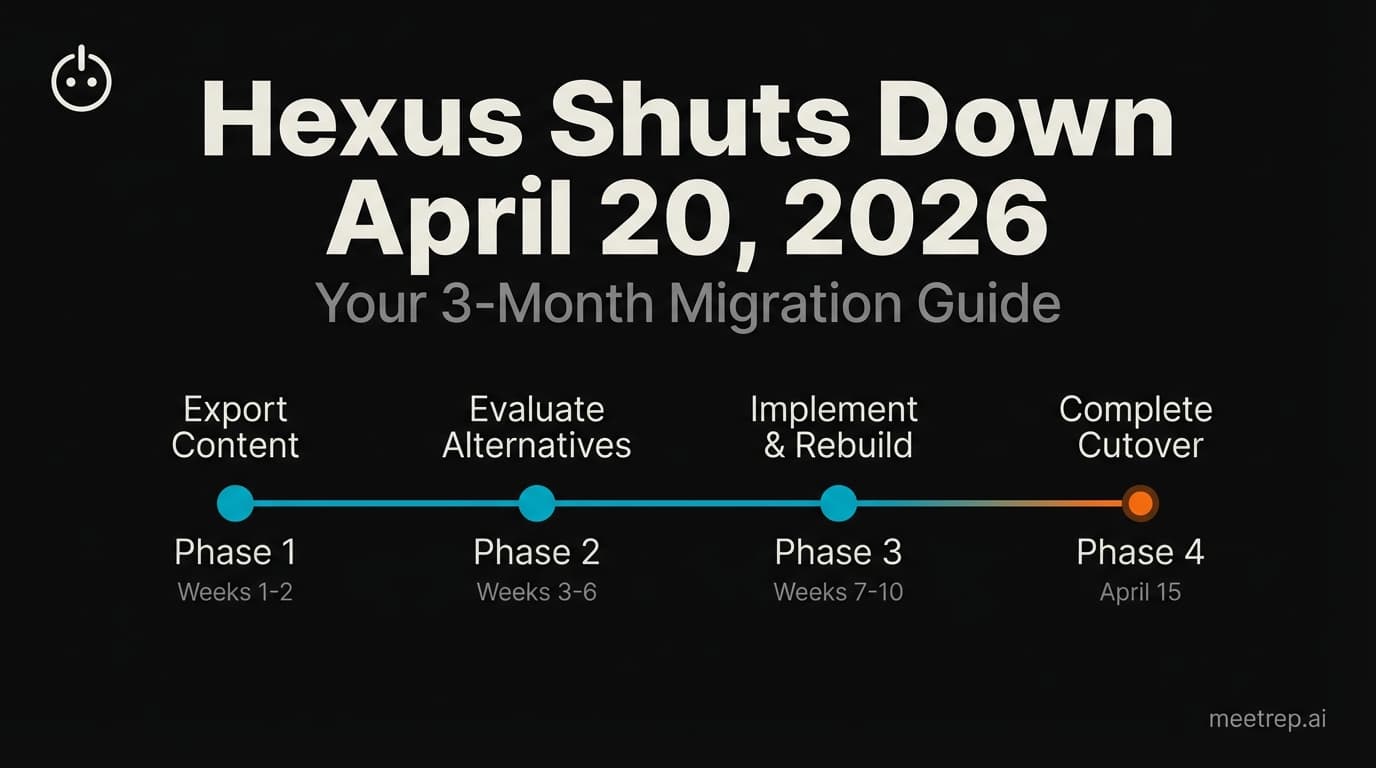
Hexus Acquired by Harvey AI: Congrats & What It Means for Demo Automation Teams
Hexus is shutting down following its acquisition by Harvey AI. Learn how to manage your migration and discover the best demo automation alternatives before April 2026.
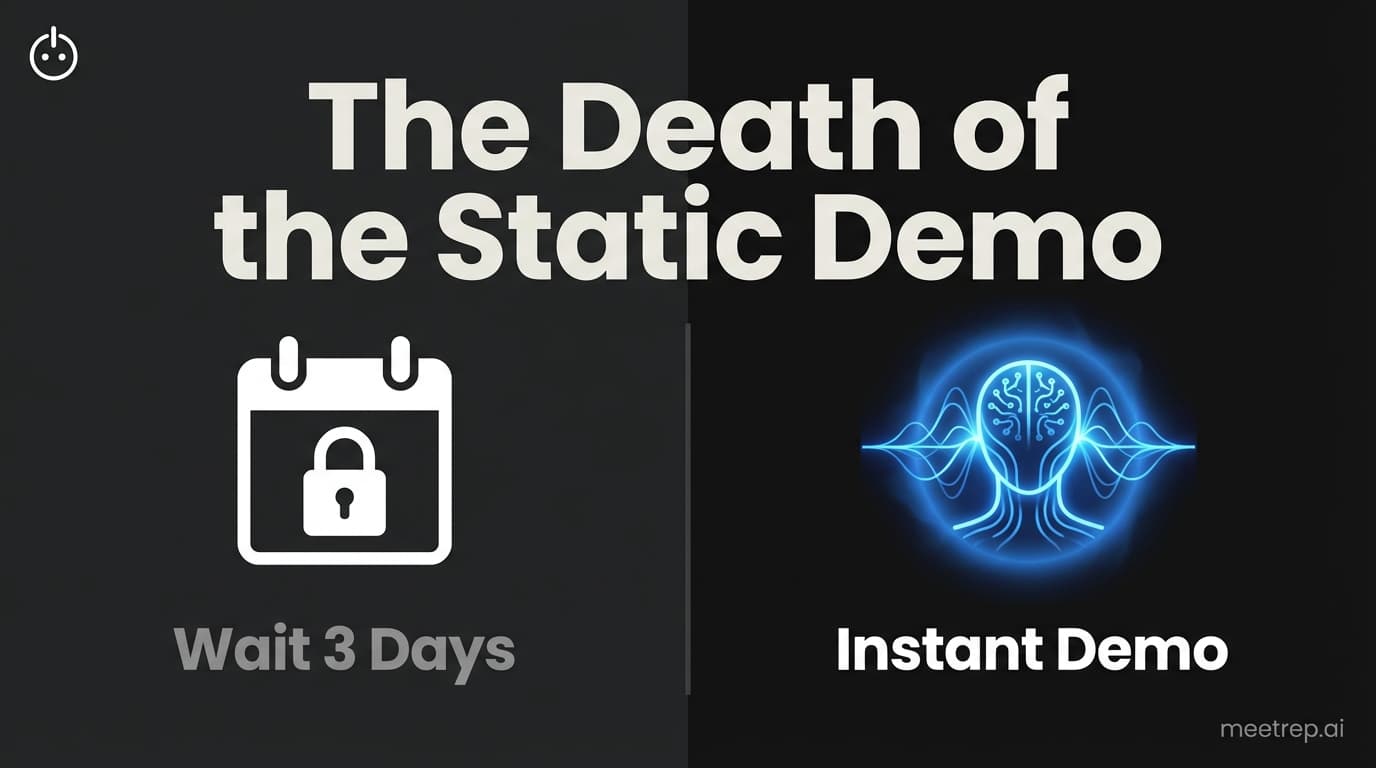
Why the "Software Demo" is Broken—and Why AI Agents Are the Future
The traditional software demo is dead. Discover why 94% of B2B buyers rank vendors before calling sales and how AI agents are replacing manual demos to scale revenue.
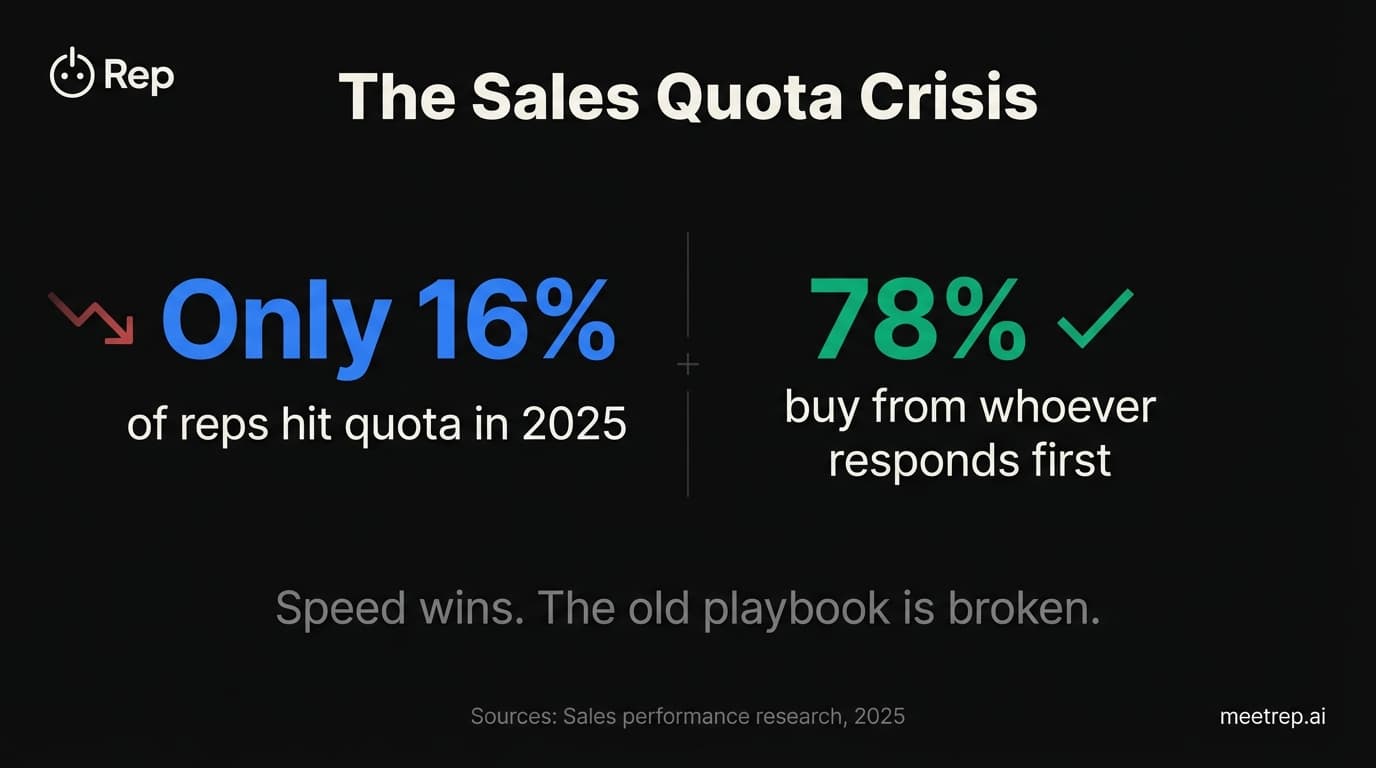
Why Autonomous Sales Software is the Future of B2B Sales (And Why the Old Playbook is Dead)
B2B sales is at a breaking point with quota attainment at 46%. Discover why autonomous 'Agentic AI' is the new standard for driving revenue and meeting the demand for rep-free buying.