Interactive Demo Software: The 2026 Guide for Product Leaders

Executive Summary
- The Shift: 50% of large B2B deals are now self-serve (Forrester).
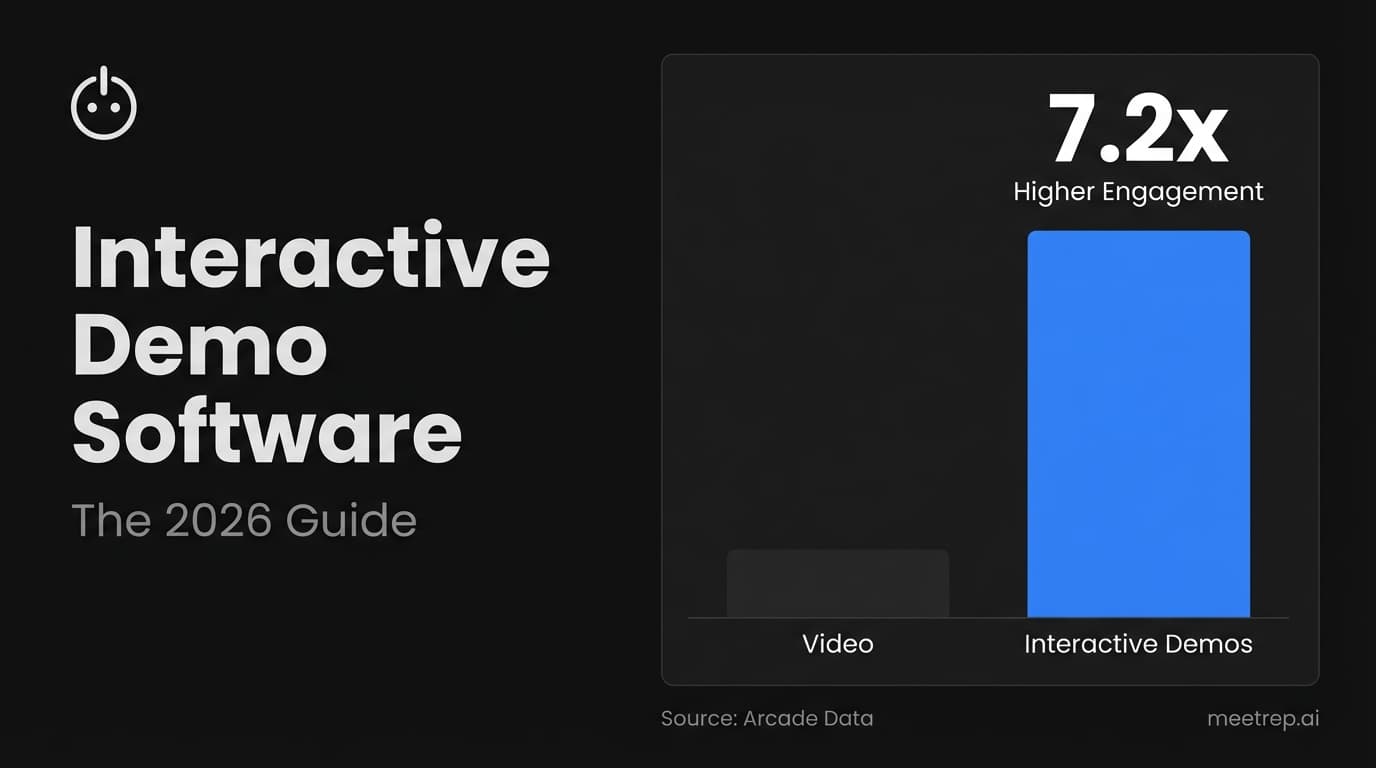
- The Impact: Interactive demos drive 7.2x higher engagement than video.
- The Strategy: Ungate it. 71% of top-performing demos have no form.
- The Future: We are moving from passive "click-throughs" to active AI agents.
The "Book a Demo" button is broken.
I say this as a founder who has spent years building sales technology. We force buyers to fill out a form, wait 24 hours for an SDR to qualify them, and then wait another three days to actually see the software.
In 2026, that friction is lethal.
According to Forrester’s 2025 predictions, more than 50% of large B2B transactions will be processed through self-serve channels. Buyers don't just want to touch the product before talking to a human—they demand it.
If you don't give them that access, you're invisible to half the market.
Having built GoCustomer.ai and now Rep, I’ve seen this shift firsthand. So we moved from static forms to calendar booking, then to video, and now to fully interactive, autonomous experiences.
This guide isn't just a list of tools. It's a breakdown of the interactive demo software market, verified benchmarks, and why I believe the future isn't just about clicking—it's about conversing.
What Is Interactive Demo Software?
Interactive demo software is a platform that allows go-to-market teams to create self-guided, clickable product tours. Unlike static videos, these tools allow prospects to interact with features directly—clicking buttons, navigating menus, and inputting data—without a sales rep present.
Why does this matter? Because video isn't enough anymore.
According to data from Arcade, interactive demos drive 7.2x higher click-through rates than standard product videos.
When we look at the data, the story is clear. Buyers learn by doing, not by watching. If you’re selling a complex SaaS product, a 60-second explainer video glosses over the details. An interactive demo lets them feel the workflow.
The Data: According to HockeyStack’s analysis, website visitors who engage with an interactive demo are 63% more likely to become Marketing Qualified Leads (MQLs).
The 3 Types of Demo Technology
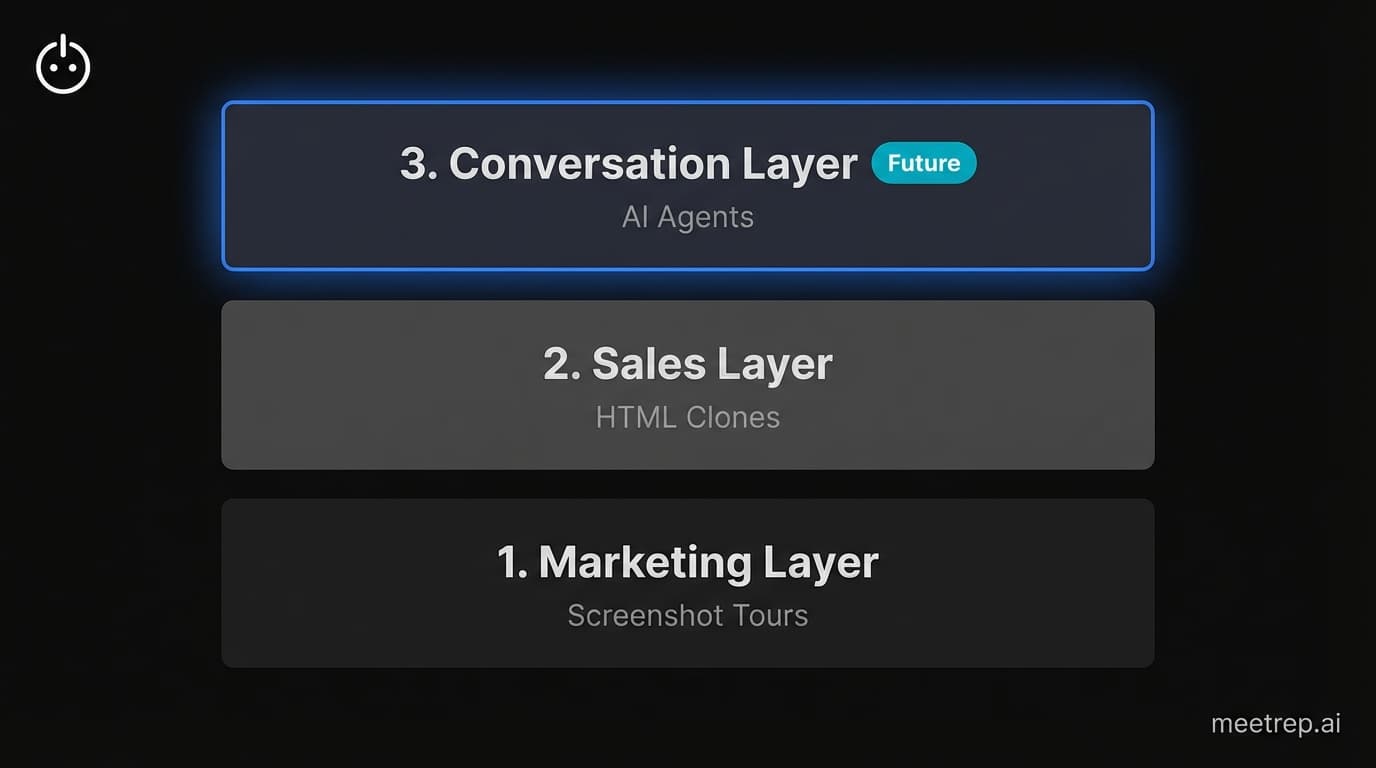
Not all demo tools are built the same. In my experience architecting these systems, I categorize the tech into three distinct buckets.
You need to choose the right architecture for your specific use case.
1. Screenshot-Based Tours (The "Marketing" Layer)
Tools like Navattic, Storylane, and Arcade capture static screenshots of your product and stitch them together with tooltips.
- Pros: Extremely fast to build. No engineering required. Does not break when your real app updates.
- Cons: It’s not "real." Users can’t click freely; they are on "rails."
- Best For: Website embeds, marketing launches, and top-of-funnel education.
2. HTML/Cloned Environments (The "Sales Engineering" Layer)
Platforms like Demostack and Reprise clone the actual HTML/CSS of your front end. This creates a sandbox that feels live but is disconnected from your messy backend data.
- Pros: High fidelity. You can edit text/data to personalize it (e.g., changing "Acme Corp" to the prospect's name).
- Cons: Heavy implementation. High maintenance. If your UI changes significantly, the clone breaks.
- Best For: Live sales calls where AEs need a "perfect" data environment.
3. Autonomous AI Agents (The "Conversation" Layer)
This is the category we are building at Rep. Instead of a silent click-through or a static clone, an AI agent joins a video call, shares its screen, and navigates the real product while talking to the prospect.
- Pros: Conversational. Handles objections. 24/7 availability. No "lonely" clicking.
- Cons: Newer technology model.
- Best For: Replacing the "Intro Demo" entirely and handling complex Q&A autonomously.
| Feature | Screenshot Tours | HTML Clones | AI Agents (Rep) |
|---|---|---|---|
| Fidelity | Low (Images) | High (HTML Copy) | Real Product |
| Interactivity | Linear (On Rails) | Sandbox | Full Navigation |
| Experience | Silent/Reading | Silent/Talking | Conversational |
| Primary User | Marketing | Sales Engineering | SDR / Sales |
| Setup Time | Hours | Weeks | Days |
2026 Industry Benchmarks
If you decide to implement interactive demo software, don't guess at the strategy.
We’ve seen too many teams build a demo, slap a lead form in front of it, and wonder why nobody uses it. Thankfully, we have verified data on what actually works.
Ungate Your Experience
This is the hill I will die on.
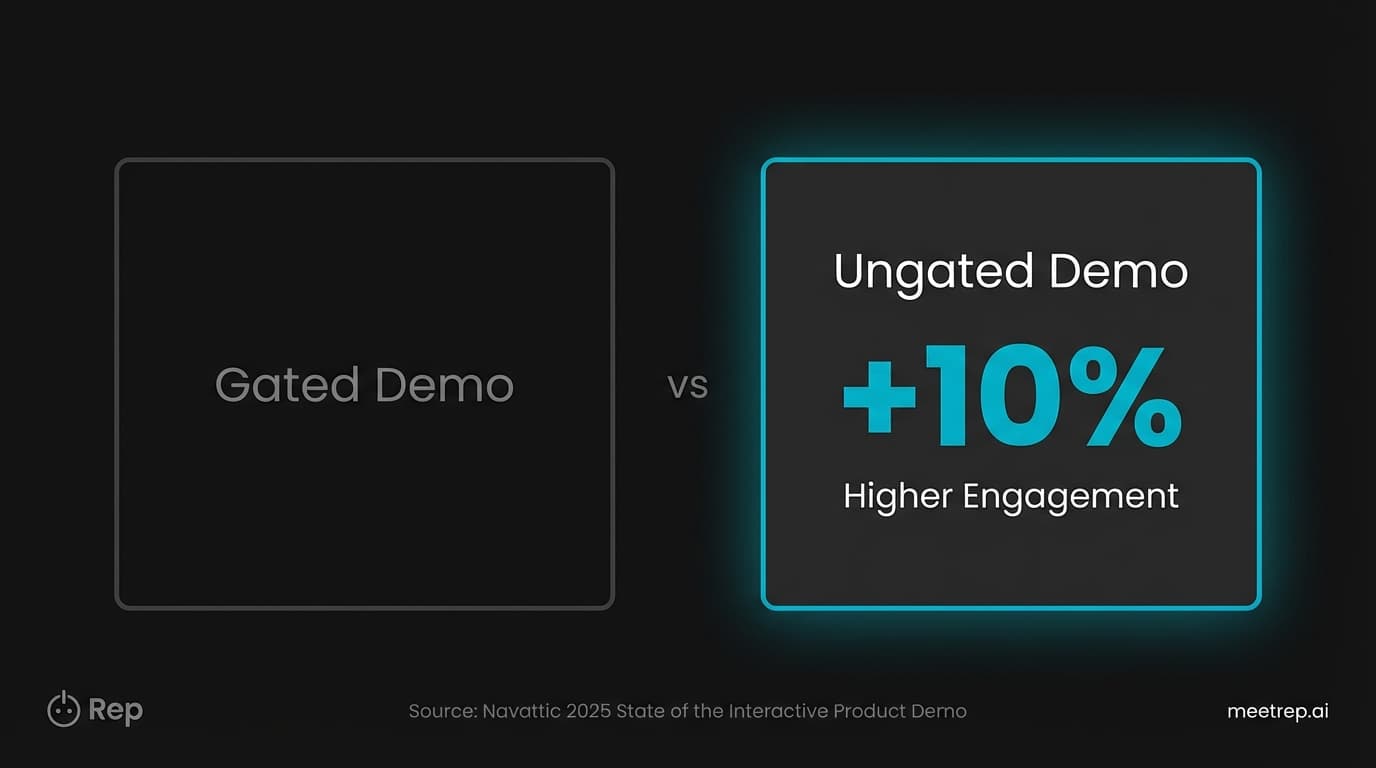
Don't put your interactive demo behind an email gate. You are trying to build trust, not extract data. The data supports this: 71% of top-performing interactive demos do not begin with a form gate. Even better, ungated demos see a 10% higher engagement rate than gated ones, according to Navattic's 2025 State of the Interactive Product Demo.
Keep It Concise
My recommendation? Aim for 5 to 13 steps.
It’s tempting to show every feature. Don't. Users get fatigue. Navattic's data suggests that completion rates drop off significantly after 13 steps. Show the "Aha!" moment, then ask them to book a meeting for the deep dive.
Desktop Dominates
While we live in a mobile world, B2B buying is still a desktop sport. Desktop interactive demos have a 52% higher Click-Through Rate (CTR) than mobile versions.
Common Mistake: Teams spend weeks optimizing the mobile view of their interactive demo. In reality, serious buyers are viewing your software on a monitor at their desk. Optimize for the big screen first.
Real-World Success Stories
It’s easy to talk theory. But let's look at who is actually winning with this tech.
Gainsight is a prime example. They used Demostack to let their sales team customize demos without needing engineering support. The result? A 25% increase in win rates.
Think about that. One quarter of their deals were won because they could tailor the demo environment to the prospect's specific story.
On the efficiency side, Synack (cybersecurity) used the same tech to reduce their demo preparation time from 100 hours down to under 10 hours.
If you are an engineering leader, that number should scare you. If your sales team is burning 100 hours building custom environments, you are wasting expensive resources.
Key Insight: The ROI isn't just in "marketing leads." It's in saving your Sales Engineers from building custom databases for every single call.
The Next Evolution: From "Clicking" to "Conversing"
Here is my controversial take.
Standard interactive demos are lonely.
You send a prospect a link. They click through a few tooltips in silence. They might understand what the button does, but they can't ask, "How does this integrate with my specific ERP?" or "Can I handle permissions differently for my enterprise team?"
Click-through demos solve the visual problem. They don't solve the consultative problem.
Why we built Rep this way
When we designed Rep, we didn't want to build another tool for capturing screenshots. We wanted to solve the "Self-Service Paradox": Buyers want to explore on their own, but they also have complex questions that a tooltip can't answer.
So we built an Agentic AI that:
- Joins a video room (like a human).
- Shares its screen (viewing your actual product, not a clone).
- Speaks naturally to the prospect.
- Navigates autonomously based on the conversation.
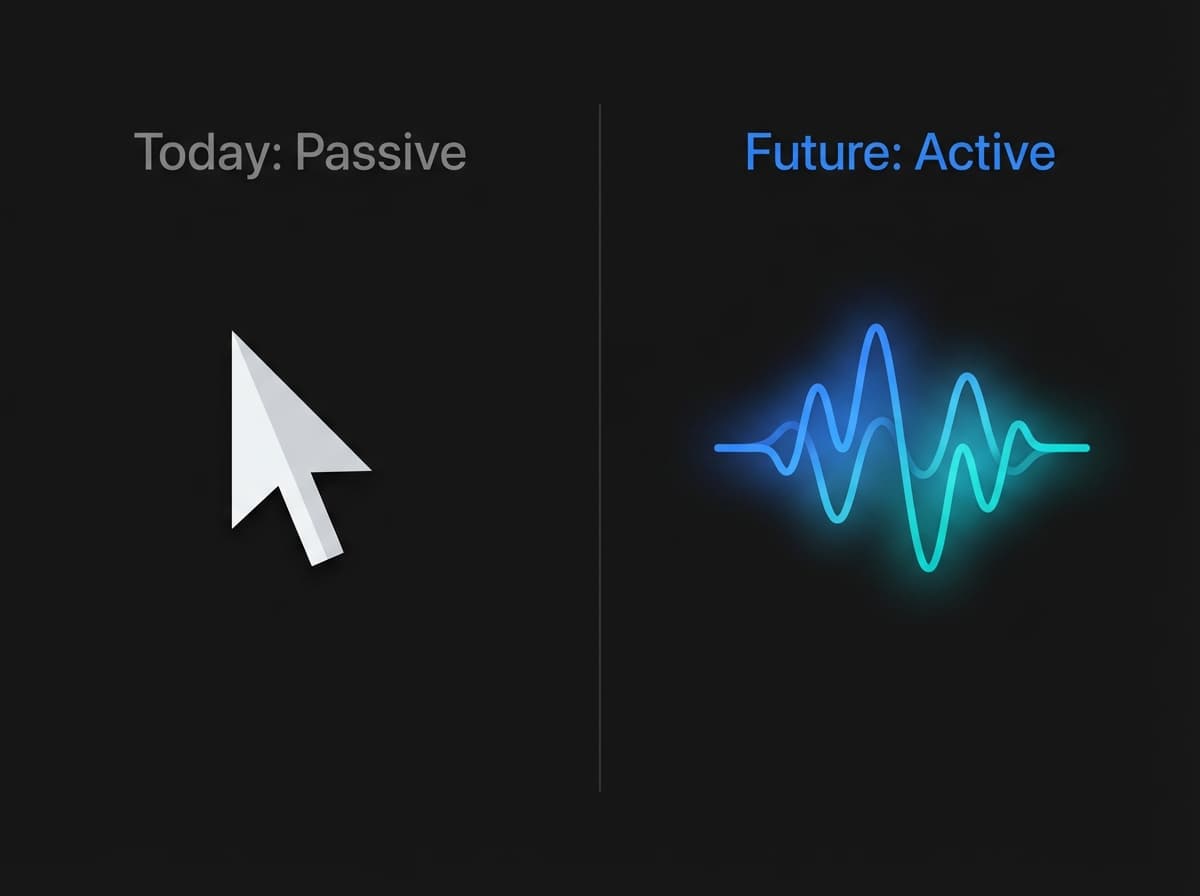
We believe the market is moving from "Passive Interactive Demos" (Navattic/Storylane) to "Active AI Agents."
It’s not enough to let them look. You have to let them ask.
Hot Take: By 2027, the "static" interactive demo will be considered a legacy artifact, replaced by always-on AI agents that can actually sell, not just show.
The Choice Is Yours
The era of "hiding the product" is over.
You can no longer afford to make buyers wait three days to see your software. Whether you choose a lightweight screenshot tool for your homepage or a full AI agent like Rep to handle your inbound demand, the requirement is the same: Self-serve access.
Without it, you are losing deals to competitors who are easier to buy from.
If you’re ready to move beyond silent clicking and give your prospects a real, conversational experience 24/7, I’d love for you to see what we’re building.
Meet Rep—your AI sales agent that speaks, shows, and sells.

Nadeem Azam
Founder
Software engineer & architect with 10+ years experience. Previously founded GoCustomer.ai.
Nadeem Azam is the Founder of Rep (meetrep.ai), building AI agents that give live product demos 24/7 for B2B sales teams. He writes about AI, sales automation, and the future of product demos.
Frequently Asked Questions
Table of Contents
- What Is Interactive Demo Software?
- The 3 Types of Demo Technology
- 2026 Industry Benchmarks
- Real-World Success Stories
- The Next Evolution: From "Clicking" to "Conversing"
- The Choice Is Yours
Ready to automate your demos?
Join the Rep Council and be among the first to experience AI-powered demos.
Get Early AccessRelated Articles
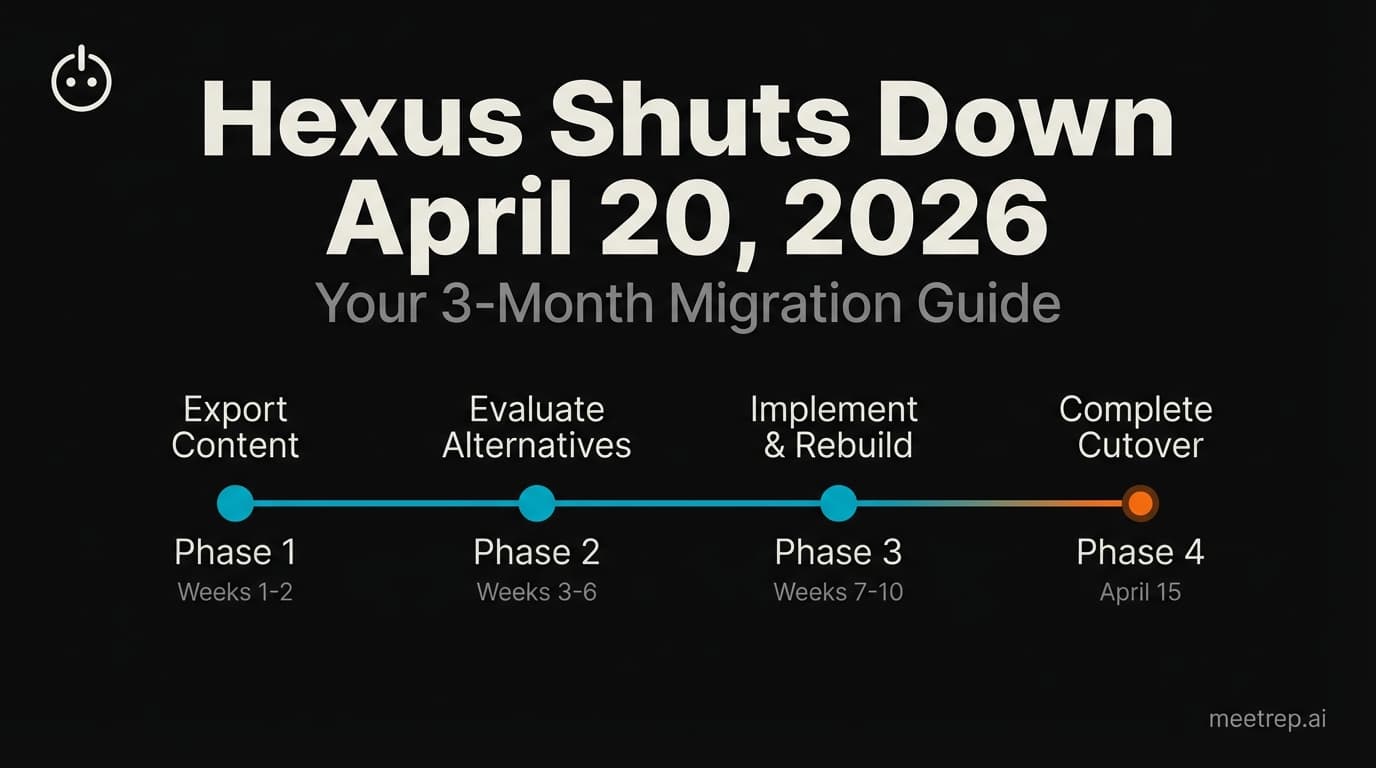
Hexus Acquired by Harvey AI: Congrats & What It Means for Demo Automation Teams
Hexus is shutting down following its acquisition by Harvey AI. Learn how to manage your migration and discover the best demo automation alternatives before April 2026.
Why the "Software Demo" is Broken—and Why AI Agents Are the Future
The traditional software demo is dead. Discover why 94% of B2B buyers rank vendors before calling sales and how AI agents are replacing manual demos to scale revenue.
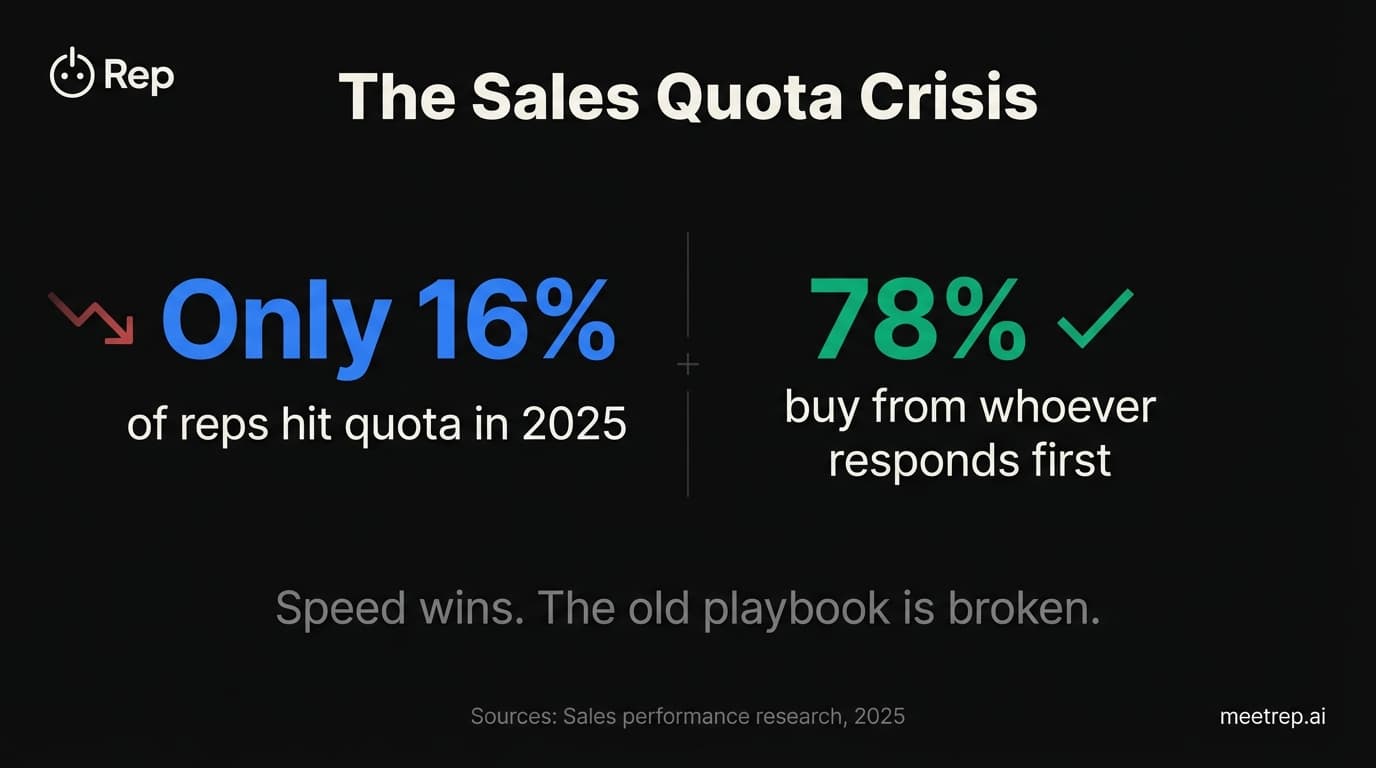
Why Autonomous Sales Software is the Future of B2B Sales (And Why the Old Playbook is Dead)
B2B sales is at a breaking point with quota attainment at 46%. Discover why autonomous 'Agentic AI' is the new standard for driving revenue and meeting the demand for rep-free buying.