HRTech Demo Security: How to Show Your Product Without Exposing Employee Data

Executive Summary
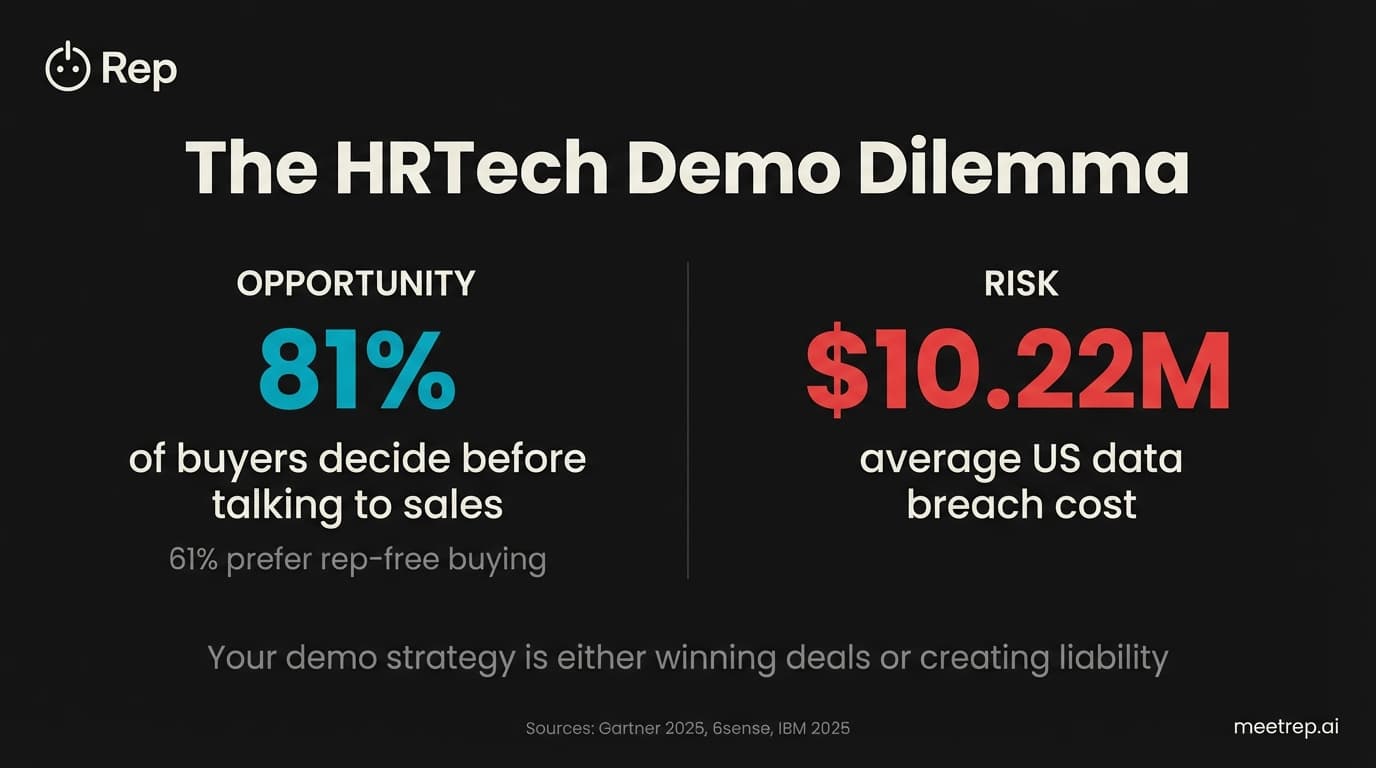
- 81% of buyers select a vendor before talking to sales—you're losing deals during the "Selection Phase" if you gate demos behind calendars
- Data masking isn't enough. Pseudonymized data is still PII under GDPR Article 4(5)
- Synthetic data + sandbox environments = the only compliant approach for hr technology demos
- Autonomous demo platforms eliminate the 95% of breaches caused by human error
- Your demo security posture IS part of the product evaluation—treat it that way
Here's the problem every HR tech sales leader faces: 61% of B2B buyers now prefer a rep-free buying experience, according to Gartner's 2025 Sales Survey. They want to explore your HRIS, HCM, or payroll platform on their own terms. But your product is full of sensitive employee data—SSNs, salaries, health information, performance reviews.
One slip during a live hrtech demo, and you're looking at a potential $10.22 million breach cost, the 2025 US average according to IBM.
I've spent years building sales automation products, first at GoCustomer.ai and now at Rep. And I've watched deals die because vendors couldn't answer one question: "How do you protect our data during demos?" This guide shows you how to answer that question confidently—and actually mean it.
Why Your HR Tech Demo Strategy Is Costing You Deals
An hrtech demo isn't just a product walkthrough. It's a compliance evaluation in disguise.
6sense research found that 81% of buyers have already selected their preferred vendor before they ever talk to a sales rep. They're making that decision during what researchers call the "Selection Phase"—the first 70% of their buying journey when they're researching anonymously.
If your demo requires scheduling a meeting? You're not even in the running for most deals.
But here's what makes HR tech different from other B2B software: your prospects' security teams are watching. They know that 40% of all data breaches involve employee PII, according to IBM's 2025 report. Each compromised record costs $168 on average.
The Data: Amazon France received a €32 million GDPR fine from CNIL in January 2024 for unlawful employee monitoring. The employment sector has the highest average GDPR fines of any industry.
So when a prospect asks "Can I see a demo?"—they're really asking two questions:
- Does your product solve my problem?
- Can I trust you with my employees' data?
Fail the second question, and it doesn't matter how good your product is.
The Three Approaches to Demo Data (And Why Two Are Wrong)
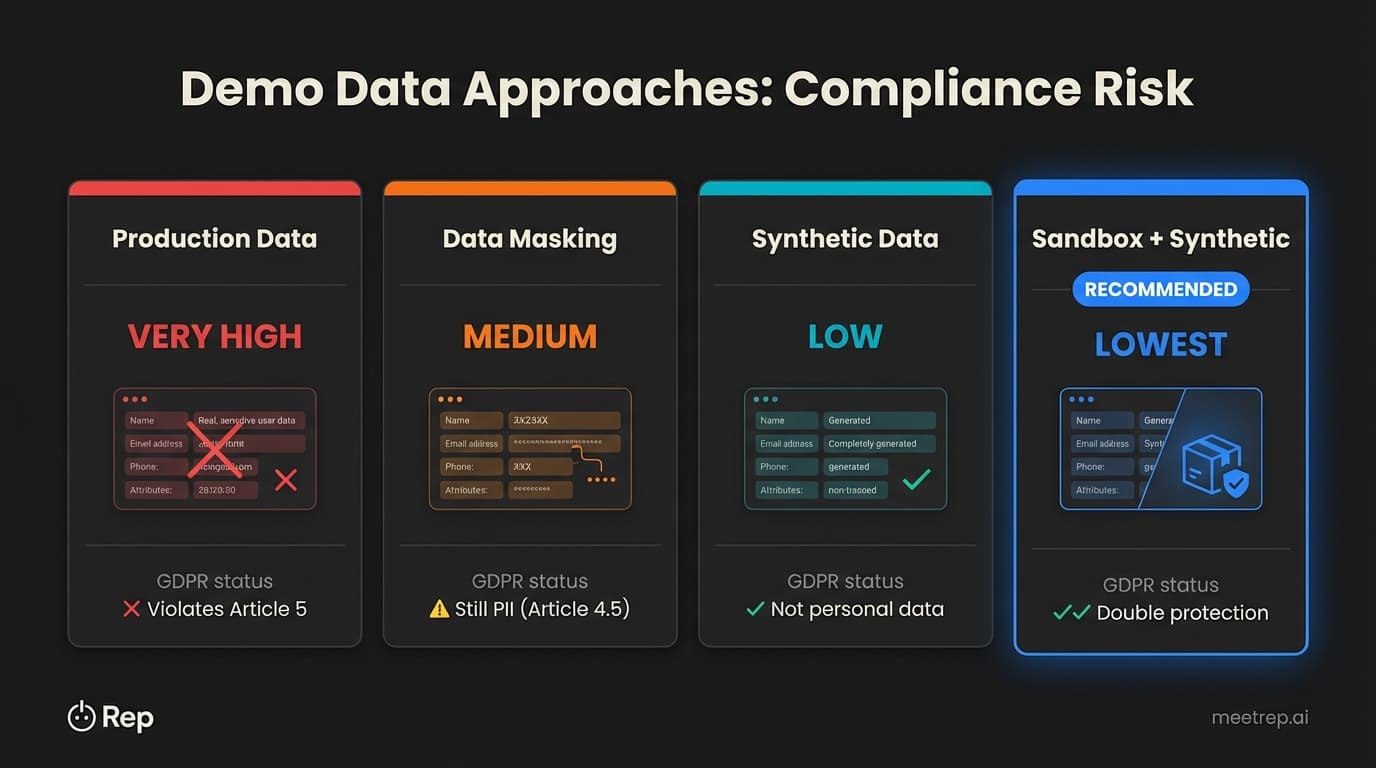
Let me be direct about something that might ruffle some feathers: most HR tech vendors are handling demo data incorrectly. They think data masking is sufficient. It's not.
Here's the breakdown:
| Approach | Compliance Risk | Data Quality | GDPR Status | My Recommendation |
|---|---|---|---|---|
| Production Data | VERY HIGH | Highest—real scenarios | ❌ Violates purpose limitation (Article 5) | Never use |
| Data Masking | MEDIUM | High—preserves structure | ⚠️ Still PII under Article 4(5) | Insufficient |
| Synthetic Data | LOW | High with modern tools | ✅ Not personal data (Recital 26) | Recommended |
| Sandbox + Synthetic | LOWEST | High + isolated environment | ✅ Double protection | Best practice |
Why Data Masking Fails the Compliance Test
I've talked to vendors who believe replacing SSNs with "XXX-XX-1234" solves their compliance problem. Here's why they're wrong.
Under GDPR Article 4(5), pseudonymization means processing data "in such a manner that the personal data can no longer be attributed to a specific data subject without the use of additional information." The key phrase? "Without the use of additional information."
Masked data can be reversed. There's a mapping somewhere. That makes it pseudonymized, not anonymized. And pseudonymized data is still personal data under GDPR.
Your prospect's legal team knows this. Mine did.
Common mistake: Treating "anonymized" and "pseudonymized" as interchangeable terms. They're legally distinct. Masking is pseudonymization. It requires the same controls as production data.
The Synthetic Data Advantage
Synthetic data is different. When properly generated, it creates data that:
- Mimics real workforce statistical properties (salary distributions, tenure curves)
- Contains zero actual personal information
- Cannot be mapped back to real individuals
- Falls outside GDPR scope entirely under Recital 26
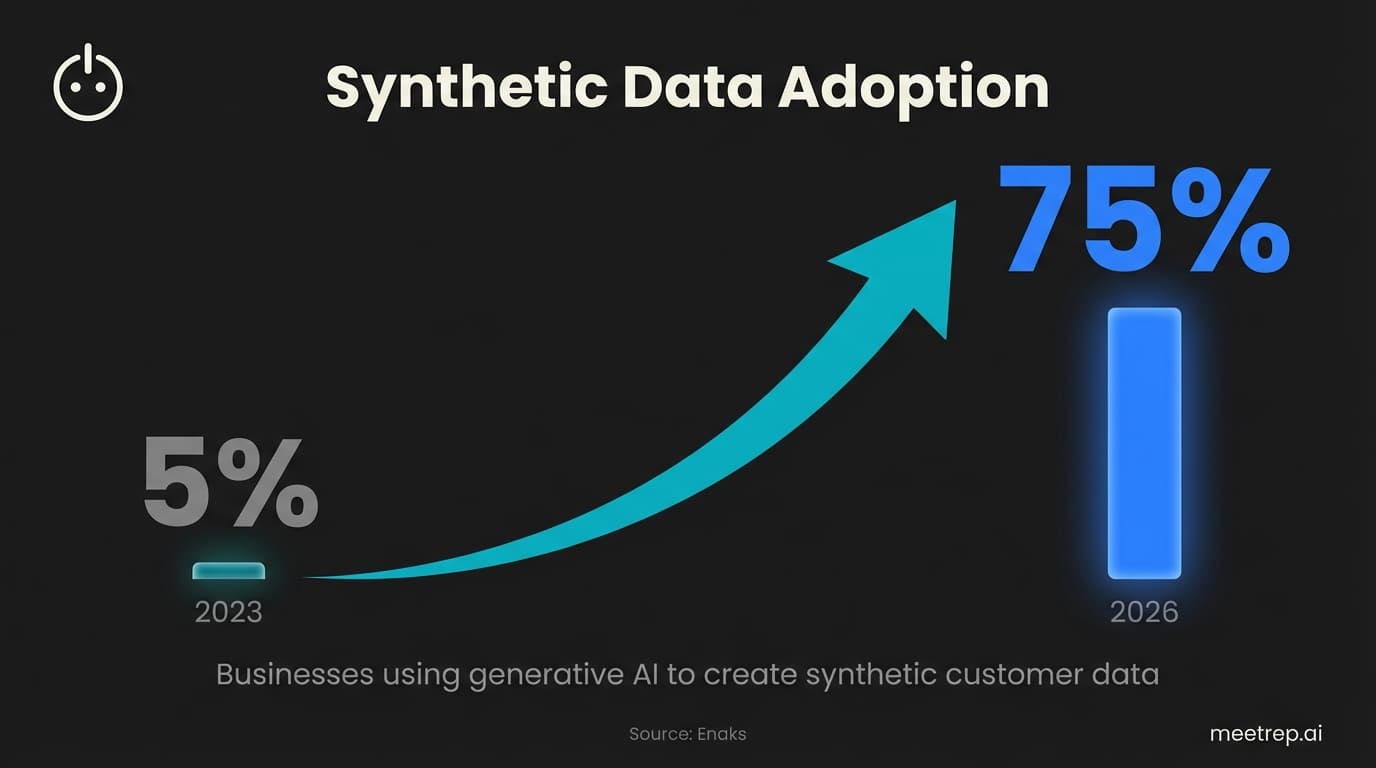
And adoption is accelerating. Enaks reports that 75% of businesses are expected to use generative AI to create synthetic customer data by 2026, up from less than 5% in 2023.
Tools like Tonic.ai, MOSTLY AI, and Gretel.ai can generate thousands of realistic employee records—complete with appropriate salary bands, demographic distributions, and organizational hierarchies—without a single real person's data involved.
The Autonomous Demo Solution for HR Platforms
Here's where I'll share what we've learned building Rep.
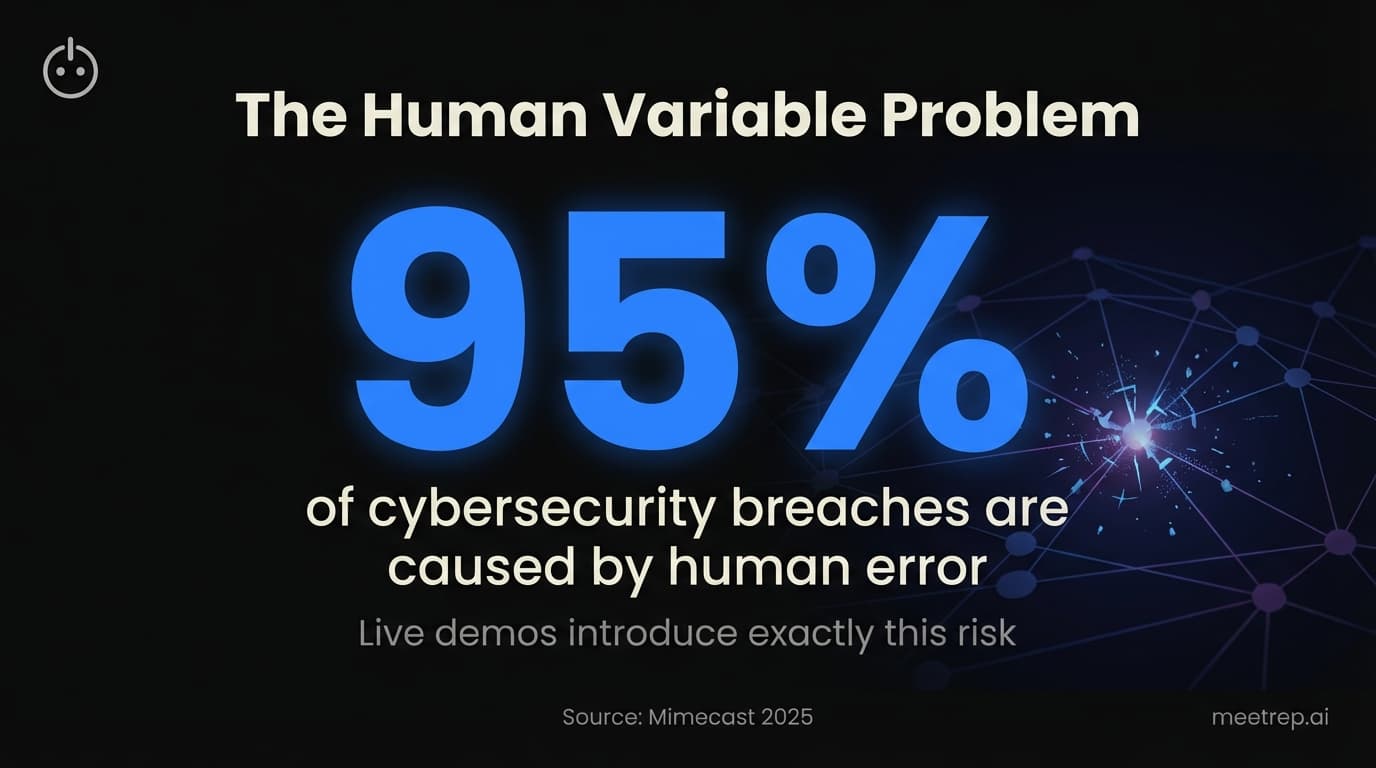
Traditional hr platform demos have a human presenter problem. Someone has to join the call, share their screen, navigate the product, and hope nothing breaks. And according to Mimecast's 2025 research, 95% of cybersecurity breaches are caused by human error.
That's not a people problem. It's a systems problem.
Autonomous demo platforms solve this by removing the human variable from the equation. Here's how they work:
- Browser automation instead of screen recording. The AI actually navigates your live product—clicking buttons, filling forms, filtering data. This isn't a slideshow of screenshots.
- Synthetic data in isolated sandboxes. The demo environment contains zero production data. It's populated entirely with generated datasets.
- Guardrailed playbooks. The AI follows scripted paths while adapting to prospect questions. It can't accidentally navigate to production systems.
- 24/7 availability. Prospects don't wait 6-10 days for a scheduled demo. Consensus research shows that's the average lag time—plenty of time for competitors with self-service demos to win the deal.
How autonomous demo platforms should work: The best implementations design around credential management and sandbox isolation from day one. The AI uses stored demo account credentials to access a product's demo environment. It never touches production. It can't—there's no path to it. This architecture eliminates the human error risk entirely.
The 7-Point HR Tech Demo Security Checklist
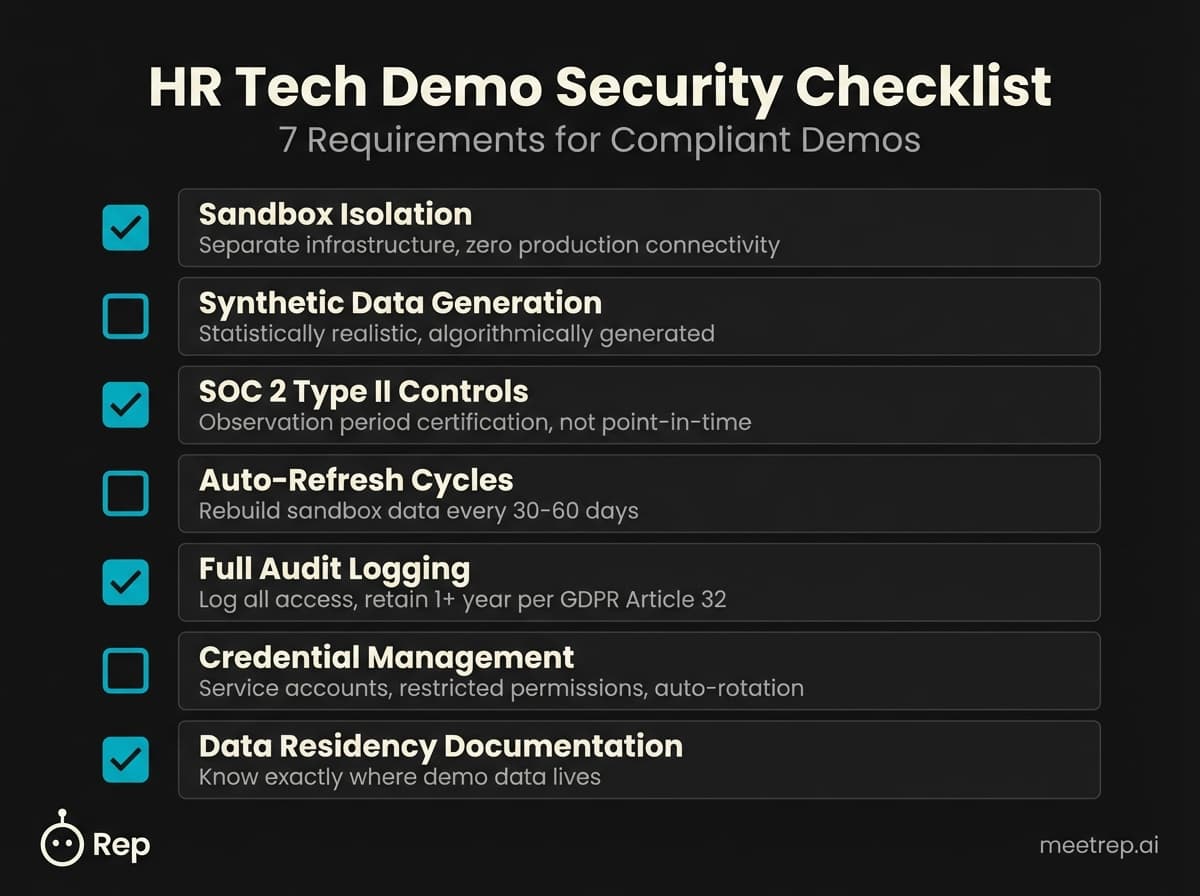
Based on what I've seen work (and fail) across dozens of implementations, here's what a compliant employee data demo environment requires:
- Sandbox isolation. Separate infrastructure with zero network connectivity to production databases. Not just different accounts—different AWS regions or Azure subscriptions.
- Synthetic data generation. Use purpose-built tools, not hand-crafted "John Doe" records. Your fake data needs to be statistically realistic for analytics demos to work.
- SOC 2 Type II controls. Type II means observation period, not point-in-time. Enterprise buyers know the difference and will ask.
- Auto-refresh cycles. Rebuild sandbox data every 30-60 days. This prevents staleness and maintains "test environment" classification.
- Full audit logging. Log every access—who, when, what data viewed. Retain for at least one year per GDPR Article 32.
- Credential management. Use service accounts with restricted permissions and automatic rotation. No shared passwords.
- Data residency documentation. Know exactly where demo data lives. EU prospects will ask.
Key Insight: Enterprise buyers will ask for documentation on all seven points during security review. Having answers ready doesn't just close deals faster—it signals that you take data protection seriously. That's a competitive advantage.
Addressing the AI Trust Problem Head-On
Look, I need to acknowledge the elephant in the room. Only 6% of companies fully trust AI agents to autonomously run core business processes, according to HBR/Workato research from July 2025.
That skepticism is fair. But it misunderstands what autonomous demos actually do.
Here's the distinction that matters:
Generative AI creates content. It can hallucinate. It might invent features your product doesn't have or accidentally reference data from a previous session.
Agentic AI executes tasks. It navigates a real browser. It clicks actual buttons. When configured with synthetic data in a sandbox, there's nothing sensitive to expose—because the sensitive data was never there.
Gartner predicts that agentic AI will resolve 80% of common customer service issues autonomously by 2029. If AI can handle complex service workflows, it can certainly handle a structured product demonstration.
The key is transparency:
- Show prospects the playbook the AI follows
- Provide audit logs of every demo interaction
- Offer human escalation for complex questions
- Explain how synthetic data is generated
Darwinbox launched "Super Agent" in September 2025—an AI that orchestrates workflows across HR, IT, and Finance. If the industry trusts AI to run HR processes, buyers are ready to trust it for demos.
What Security Questions to Ask Your Demo Platform Vendor
Before you choose a demo automation solution, ask these questions. I've grouped them by category:
Security & Compliance:
- Do you have SOC 2 Type II certification? When was the last audit?
- Can you provide GDPR-compliant Data Processing Agreements?
- What audit logging exists for demo environment access?
Data Handling:
- How do you generate synthetic data? Is it statistically representative?
- Can you create industry-specific datasets (healthcare vs. manufacturing organizations)?
- Is masked production data ever used? (Red flag if yes.)
Architecture:
- Are demo environments fully isolated from production?
- What happens when the AI encounters a question it can't answer?
- How do you prevent navigation to unauthorized areas?
The vendor should answer all of these confidently. Hesitation on any point warrants deeper investigation.
The shift to autonomous, self-service demos isn't coming. It's here. Gartner reports that 73% of buyers actively avoid suppliers who send irrelevant outreach. They want to evaluate on their terms.
For HR tech vendors, that creates a specific challenge: how do you give buyers what they want without putting sensitive data at risk?
My take? The vendors who figure this out first—sandbox environments, synthetic data, autonomous delivery—won't just avoid compliance disasters. They'll capture the 81% of buyers who decide before ever talking to sales. That's not a small edge. That's the whole game.
Want to see how autonomous demos work for HR tech? Rep handles the hard parts so your team can focus on closing deals.

Nadeem Azam
Founder
Software engineer & architect with 10+ years experience. Previously founded GoCustomer.ai.
Nadeem Azam is the Founder of Rep (meetrep.ai), building AI agents that give live product demos 24/7 for B2B sales teams. He writes about AI, sales automation, and the future of product demos.
Frequently Asked Questions
Table of Contents
- Why Your HR Tech Demo Strategy Is Costing You Deals
- The Three Approaches to Demo Data (And Why Two Are Wrong)
- The Autonomous Demo Solution for HR Platforms
- The 7-Point HR Tech Demo Security Checklist
- Addressing the AI Trust Problem Head-On
- What Security Questions to Ask Your Demo Platform Vendor
Ready to automate your demos?
Join the Rep Council and be among the first to experience AI-powered demos.
Get Early AccessRelated Articles
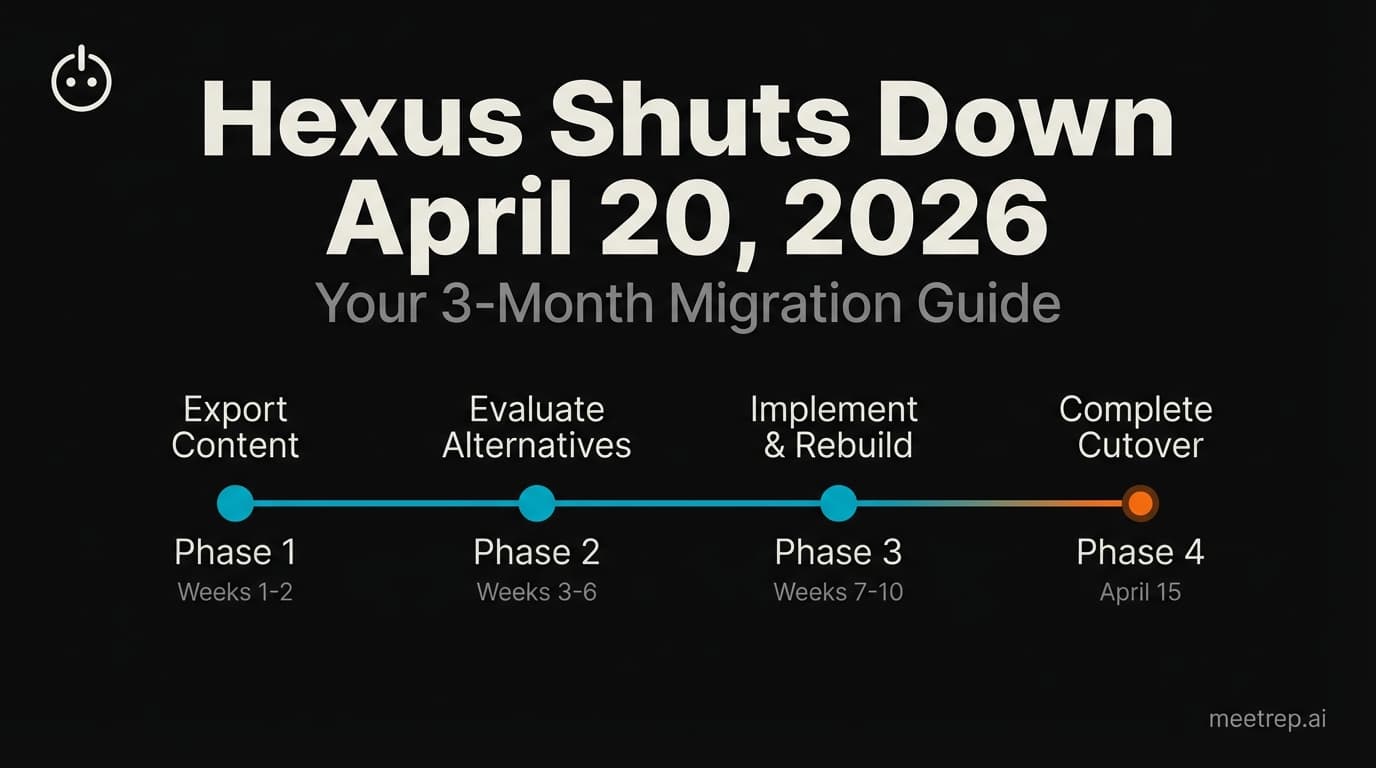
Hexus Acquired by Harvey AI: Congrats & What It Means for Demo Automation Teams
Hexus is shutting down following its acquisition by Harvey AI. Learn how to manage your migration and discover the best demo automation alternatives before April 2026.
Why the "Software Demo" is Broken—and Why AI Agents Are the Future
The traditional software demo is dead. Discover why 94% of B2B buyers rank vendors before calling sales and how AI agents are replacing manual demos to scale revenue.
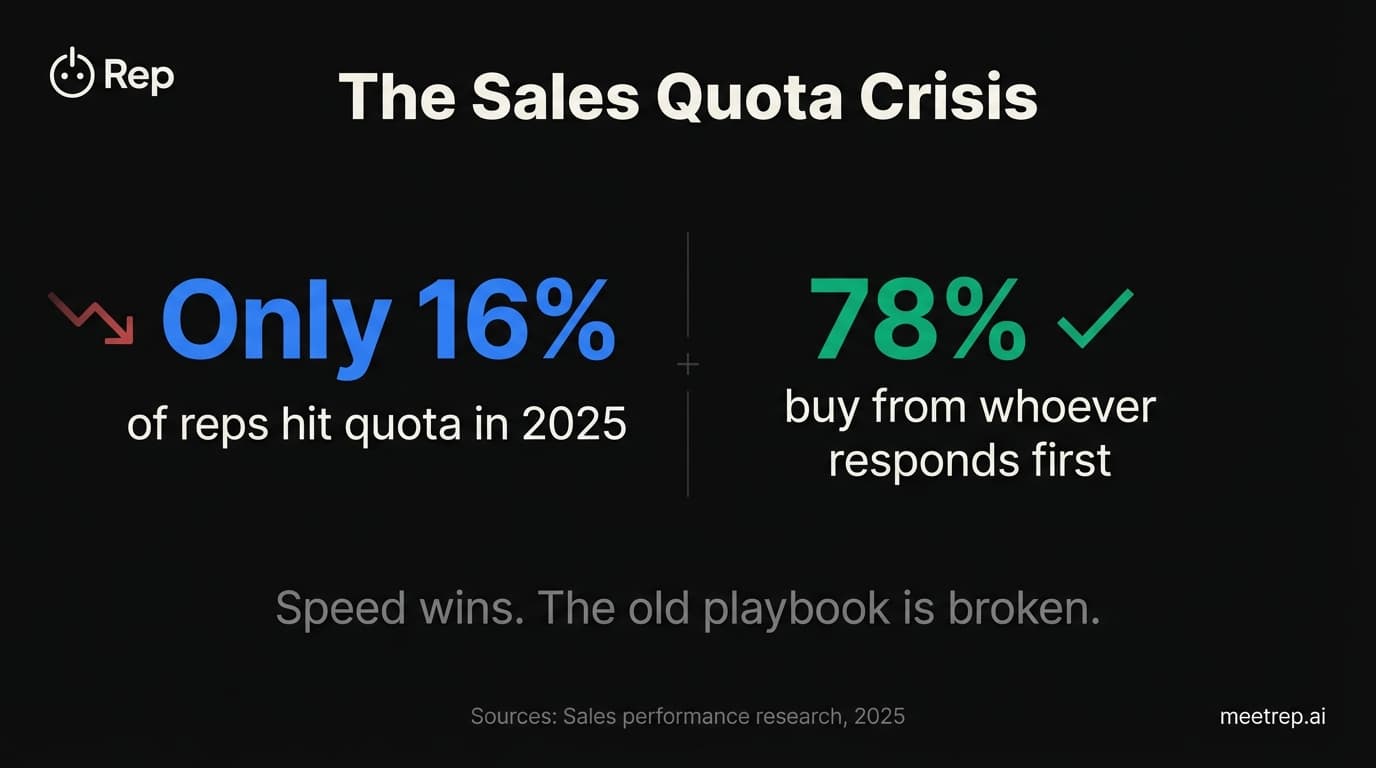
Why Autonomous Sales Software is the Future of B2B Sales (And Why the Old Playbook is Dead)
B2B sales is at a breaking point with quota attainment at 46%. Discover why autonomous 'Agentic AI' is the new standard for driving revenue and meeting the demand for rep-free buying.