Mastering How To Create Product Videos: The 2026 Playbook for PMMs

Executive Summary
- The Trend: 89% of businesses use video, but "raw" authenticity is beating studio polish.
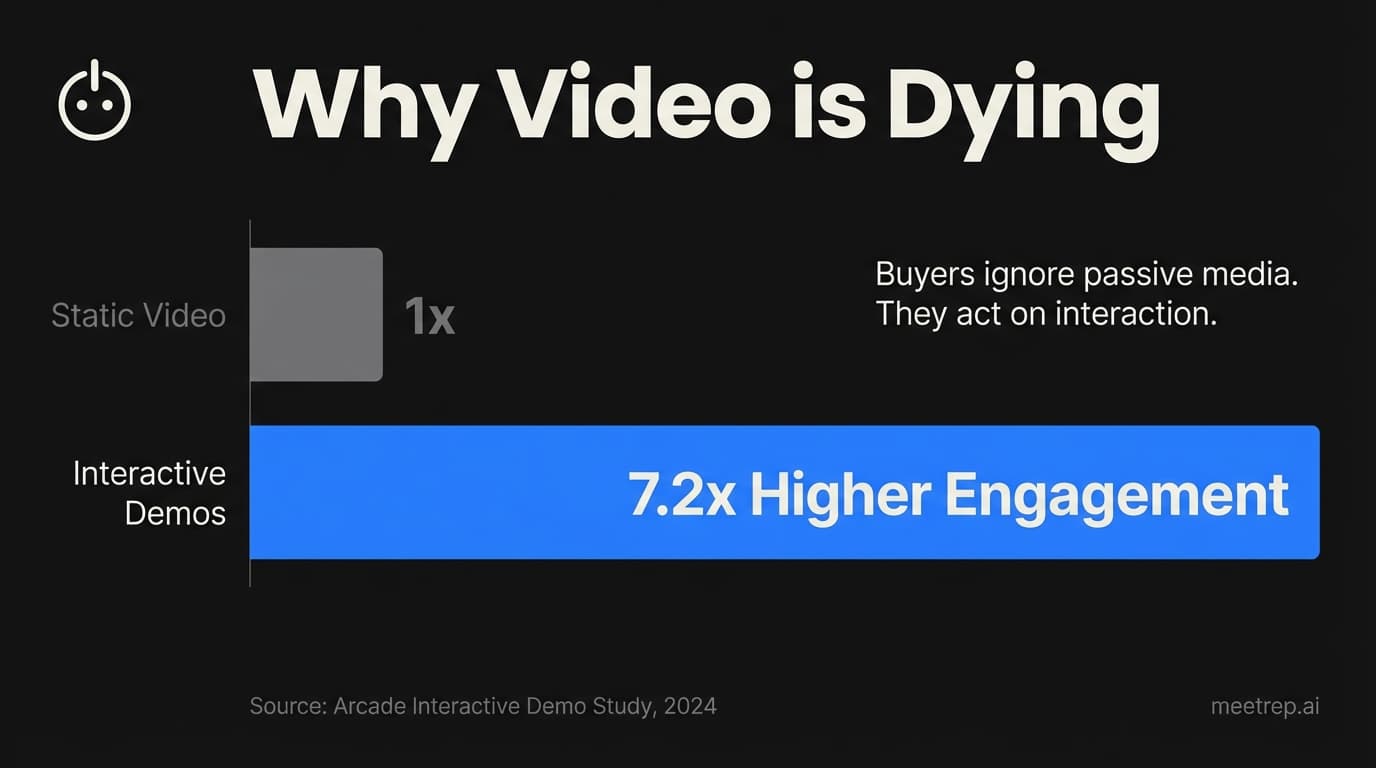
- The Data: Interactive demos drive 7.2x more engagement than static video.
- The Problem: Static videos rot. When your UI updates, your video dies.
- The Solution: Move from static recordings to AI-driven, interactive experiences that update automatically.
You know the feeling.
You just spent three weeks scripting, recording, and editing the perfect product launch video. It’s polished. It’s on brand. It’s finally live.
Then, two days later, the engineering team pushes a UI update.
Suddenly, your navigation bar looks different. The button colors have changed. Your beautiful video is now a lie.
I faced this constantly while building GoCustomer.ai. We were shipping features so fast that our marketing assets were obsolete before they even hit the website. It was exhausting. And expensive.
In 2026, figuring out how to create product videos isn't about cameras or lighting. It's about solving the "maintenance nightmare." If you're still relying on static MP4 files for your fast-moving SaaS product, you're playing a losing game.
This guide covers how to stop building "shelfware" and start creating living, high-converting product experiences.
The State of Product Video in 2026 (Why the Old Way is Broken)
Product video production has shifted from "polished and static" to "authentic and interactive." While 89% of businesses use video as a marketing tool (Wyzowl, 2025), the way buyers consume that content has changed. They don't want a 5-minute cinematic trailer. They want to see how the product actually works, right now.
Three years ago, a high-budget explainer video was the gold standard. Today? It’s a liability.
Here’s why.
First, attention spans have cratered. According to Wistia’s 2025 State of Video, engagement for videos between 3 and 5 minutes dropped by 10% last year. If you aren't hooking them in seconds, you've lost them.
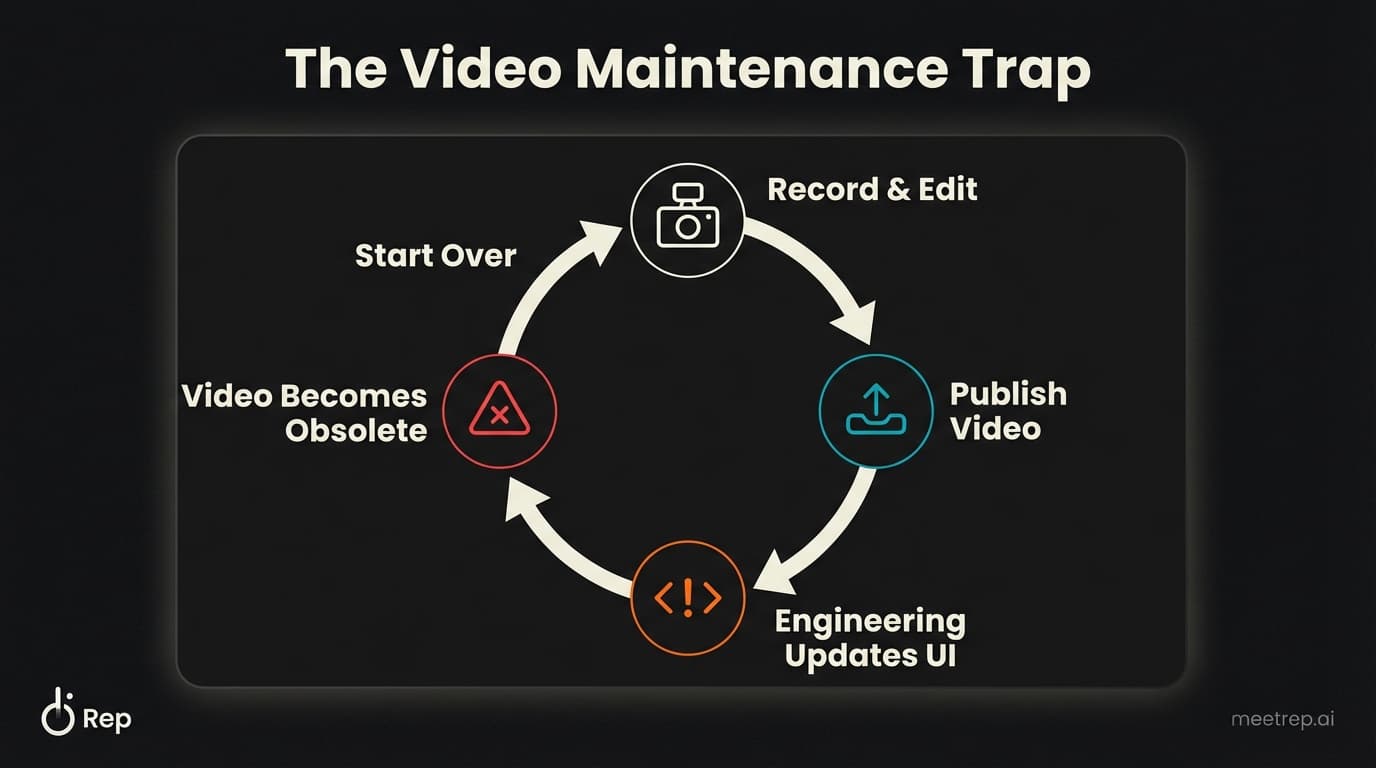
Second, the "Maintenance Nightmare" is real. In SaaS, your product is the video star. But unlike a human actor, this star gets plastic surgery every two weeks. Keeping a library of 50+ videos up to date with a changing UI is a full-time job. Most teams just give up, leaving outdated assets online that confuse prospects and kill trust.
Key Insight: The biggest cost of video isn't production. It's maintenance. If you can't update a video in 5 minutes when your product changes, you shouldn't build it.
The 3 Pillars of Modern Product Videos
If high-budget production is out, what replaces it? Based on what we see working at Rep and across the industry, the new playbook rests on three pillars: Authenticity, Interactivity, and Autonomy.
1. Authenticity > Polish
Buyers are skeptical. They know how to spot "marketing fluff" a mile away.
In 2026, a screen recording with a genuine founder or PM voiceover (often shot on tools like Loom) outperforms a slick agency production. Why? Because it proves the product is real. It shows the actual workflow, not a motion-graphics simulation of what you hope the workflow will look like.
2. Interactivity > Passivity
Passive watching is for Netflix. B2B buyers want to touch the product.
This is the biggest shift I've seen. Instead of hitting play and leaning back, buyers want to click. The data backs this up aggressively. According to Arcade's 2025 research, interactive demos drive 7.2x more engagement than traditional video.
Take Labelbox as an example. By switching to interactive demos to explain their complex data platform, they increased their MQLs (Marketing Qualified Leads) by 30%. Buyers didn't just want to watch; they wanted to explore.
The Data: Interactive demos don't just get views; they get results. Inbound leads are 70% more likely to sign up for a trial after viewing an interactive demo compared to a standard video (Arcade).
3. Autonomy > Manual Labor
This is where we're heading. "Video" is becoming an autonomous agent.
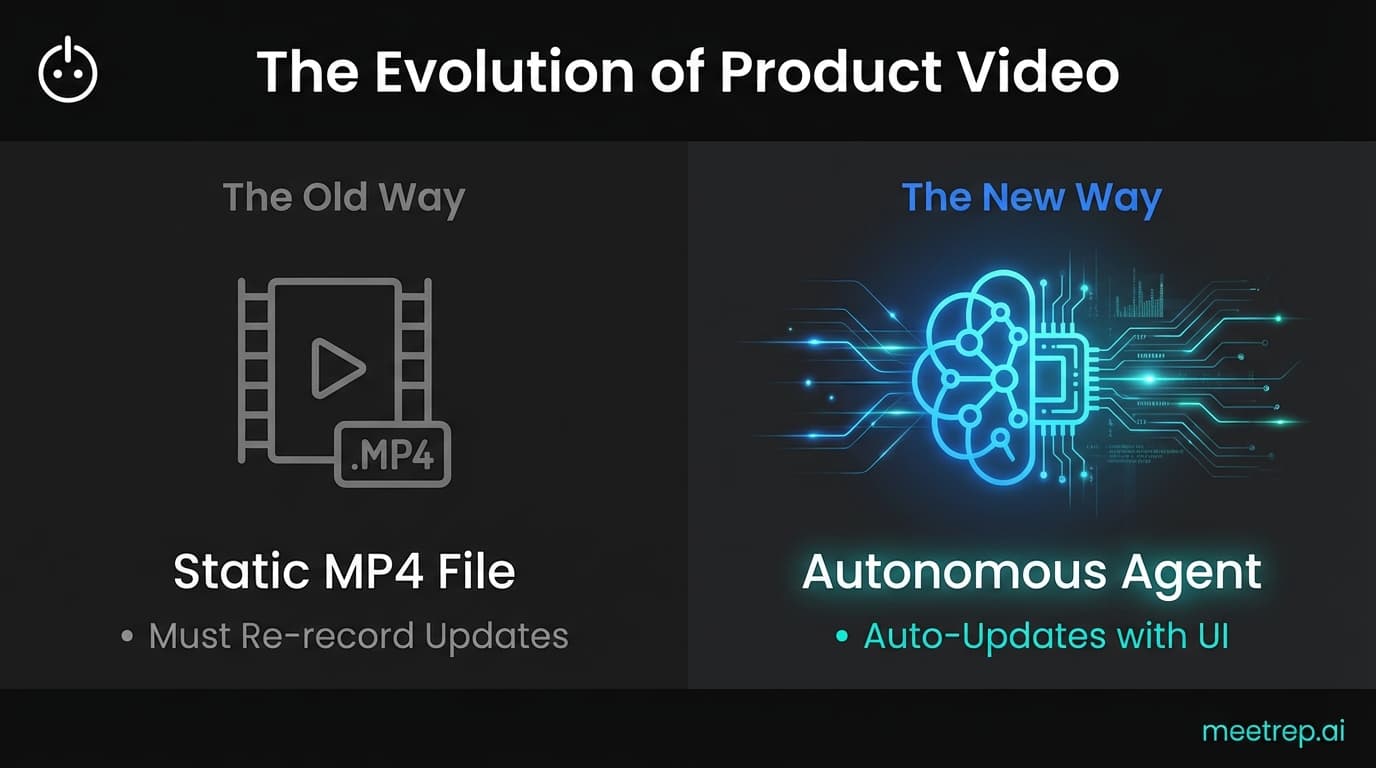
Instead of a static recording, companies are deploying AI agents that can navigate the software live. It looks like a video, it sounds like a video, but it's actually code running a browser. If the UI changes, the agent just reads the new code. No re-recording necessary.
| Feature | Old Way (Static Video) | New Way (Autonomous Demo) |
|---|---|---|
| Format | MP4 / YouTube Embed | Live Browser Session |
| Updates | Re-record & re-edit (Days) | Auto-adapts or re-runs (Seconds) |
| Engagement | Passive watching | Interactive / Q&A capable |
| Shelf Life | Weeks (until next update) | Indefinite |
Step-by-Step: How to Create Product Videos That Convert
So, how do you actually build this? If you need to ship a product video this week, forget the storyboard template from 2019. Here is the modern workflow.
Step 1: Script for the "Skip" Generation
Most scripts start with a long preamble about "the changing landscape of X."
Delete that. Immediately.
You have about 3 seconds before a user scrolls. Start with the screen. Show the "Aha!" moment first. If your product solves a complex reporting problem, start the video with the finished report, then work backward to show how easy it was to get there.
Step 2: The Capture (Tools vs. Agents)
You have a choice here depending on your goal.
Option A: The Quick Capture. Use tools like Screen Studio or Loom. These are great for "hygiene" content—quick updates or internal comms. They smooth out your mouse movements and make zooms look professional automatically.
Option B: The Interactive Capture. Use platforms like Navattic or Arcade. These capture the HTML and CSS of your page, allowing you to build a clickable "video."
Option C: The AI Agent. This is what we built Rep for. Instead of recording a video, you train an AI agent to give the demo. You treat the AI like a new hire—show it the product once, and it learns the flow.
Step 3: The Edit (Keep It Raw)
My biggest mistake at GoCustomer? Over-editing. We would scrub every "um," speed up every loading screen, and color-grade the footage.
The result? It looked like a commercial. And people trust commercials less than they trust a shaky iPhone video.
Leave the loading screen in (or speed it up slightly). It shows the real performance. If you stumble on a word, keep it. It proves you're a human, not a deepfake.
Common Mistake: Don't hide the UI. I see so many product videos that zoom in so close you can't see the navigation. Users need to see where things live on the screen to understand the workflow.
Step 4: Distribution (Think Vertical)
Don't just slap a 16:9 video on YouTube.
LinkedIn is pushing vertical video hard. Crop your product demo to 9:16. Focus on the center of the screen. Our data suggests vertical videos in the feed get significantly higher completion rates because they take up the entire mobile screen.
Solving the "Maintenance Nightmare" (The Rep Advantage)
I want to be real about the biggest pain point in this process. It’s not creativity. It’s maintenance.
Productivity studies show that context switching costs the US economy $450 billion annually (Pieces, 2025). For a PMM, there is no worse context switch than having to stop a strategic launch plan to re-record 15 videos because the "Submit" button changed from blue to green.
This is why we built Rep differently.
Rep isn't a video editor. It's an autonomous demo platform. You don't "record" Rep. You train it.
When your product updates, you don't need to re-record the video. Since Rep navigates your live software in real-time for every prospect, it's always seeing the current version of your app. If the changes are massive, you just do one quick training session to show the agent the new flow, and every future demo is instantly updated.
Why we built Rep this way: We realized that "video" is the wrong format for software. Software is alive. Video is dead. By using an AI agent to browse the web live, we bridge the gap. It looks like a video to the user, but it has the intelligence of a sales engineer.
Measuring Success: Metrics That Matter
If you're still reporting on "Video Views," stop. My grandmother can view your video. That doesn't mean she's buying your B2B SaaS platform.
Here are the metrics that actually correlate to revenue:
- Demo-to-Opportunity Rate: Of the people who watched the product demo, how many entered the pipeline?
- Time-to-Value: Did the video help them onboard faster?
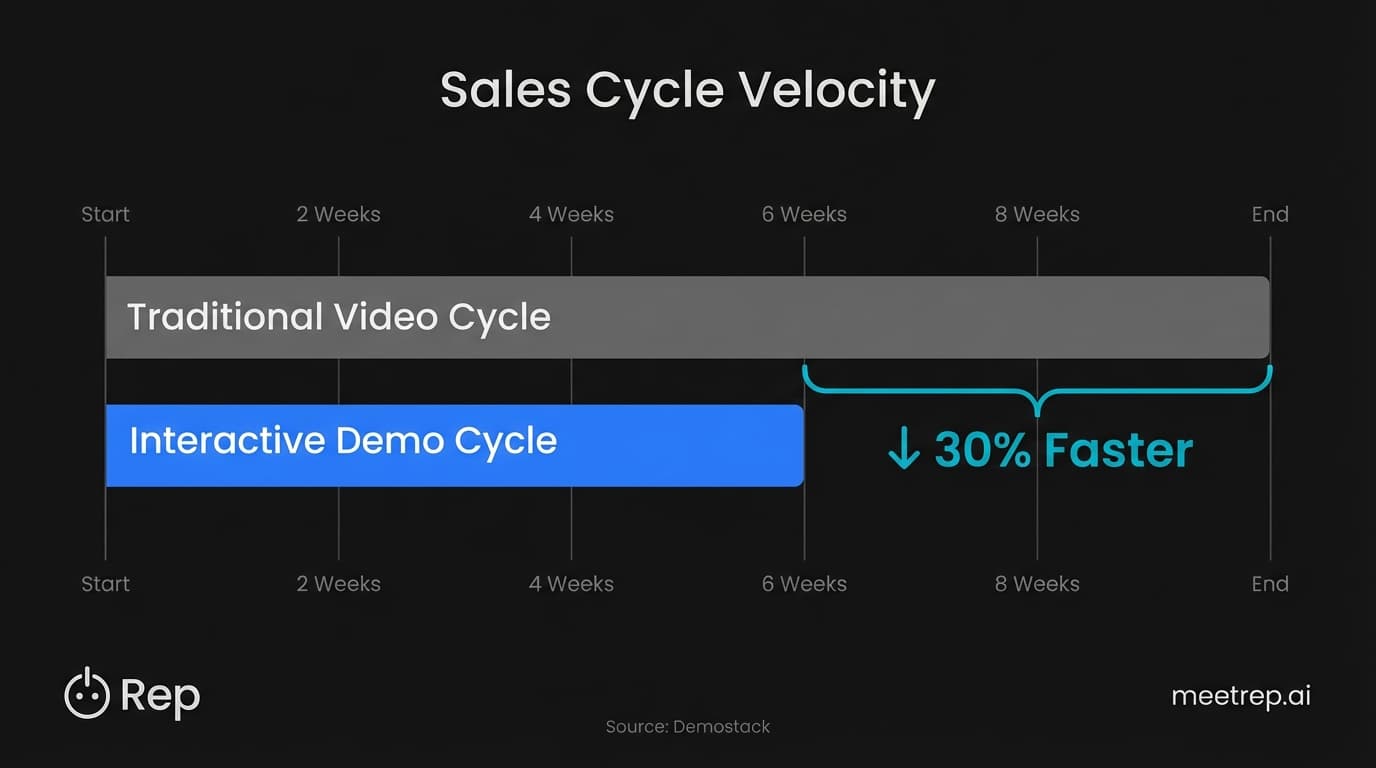
- Sales Cycle Velocity: This is the big one.
Companies like Gainsight have seen this firsthand. By adopting interactive demo software to tailor their demos, they saw a 25% increase in win rates (Demostack).
The Data: Interactive demos can reduce sales cycles by up to 30% (Demostack).
Why? Because educated buyers move faster. When a prospect can explore the product before they talk to sales—whether through an interactive click-through or an AI agent like Rep—they skip the "What does this button do?" questions and get straight to "How does this fit my security protocol?"
The Future is Autonomous
We are moving past the era of the static pixel.
Creating product videos used to be about cameras and editing suites. Now, it's about building assets that can live, breathe, and sell on their own. The "Maintenance Nightmare" is optional. You don't have to lose your weekends to re-recording demos just because a button moved.
My advice? Start small. Audit your "shelfware." Find the videos that are out of date right now. Instead of re-recording them, try replacing just one with an interactive asset or an autonomous agent.
Watch the engagement. Watch the sales cycle speed up. You won't go back to MP4s.
If you're ready to stop recording and start automating, train your first AI Rep to demo your product today.

Nadeem Azam
Founder
Software engineer & architect with 10+ years experience. Previously founded GoCustomer.ai.
Nadeem Azam is the Founder of Rep (meetrep.ai), building AI agents that give live product demos 24/7 for B2B sales teams. He writes about AI, sales automation, and the future of product demos.
Frequently Asked Questions
Table of Contents
- The State of Product Video in 2026 (Why the Old Way is Broken)
- The 3 Pillars of Modern Product Videos
- Step-by-Step: How to Create Product Videos That Convert
- Solving the "Maintenance Nightmare" (The Rep Advantage)
- Measuring Success: Metrics That Matter
- The Future is Autonomous
Ready to automate your demos?
Join the Rep Council and be among the first to experience AI-powered demos.
Get Early AccessRelated Articles
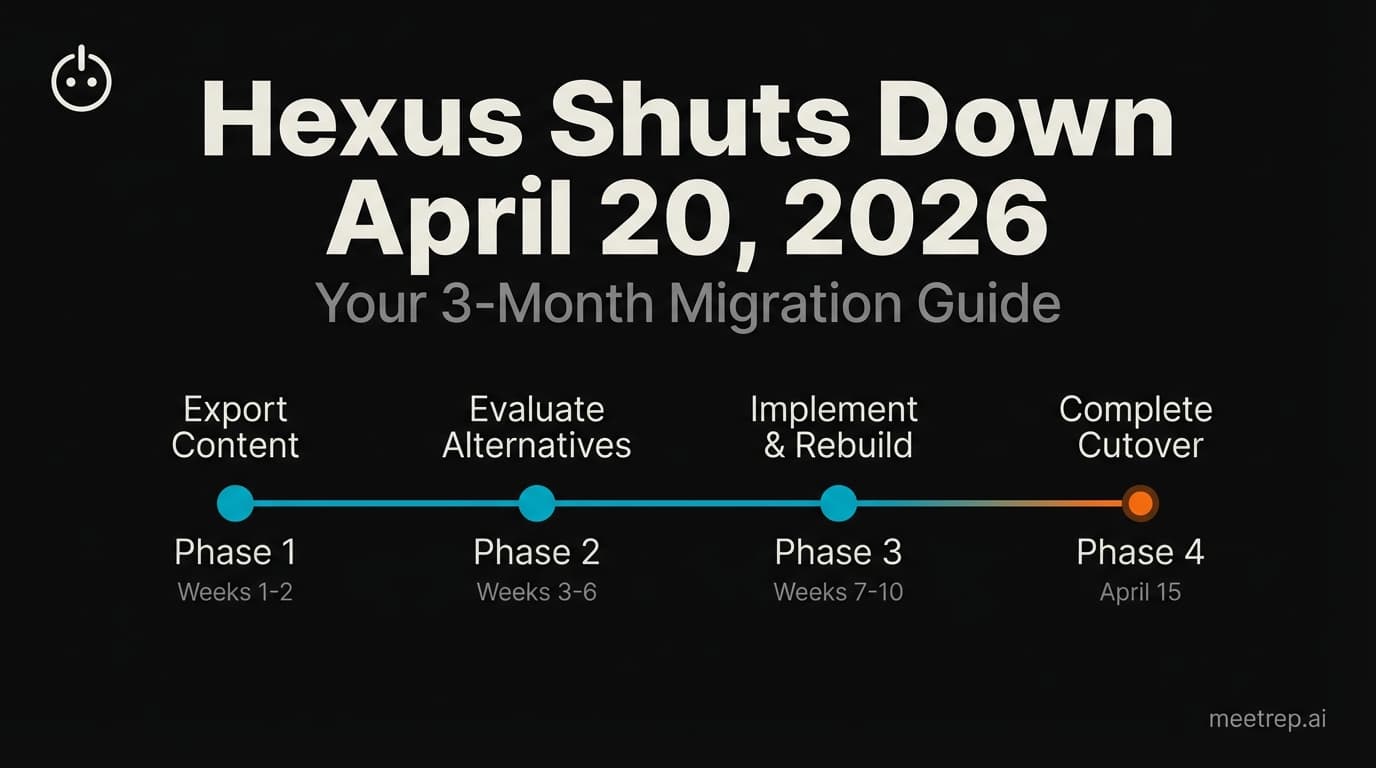
Hexus Acquired by Harvey AI: Congrats & What It Means for Demo Automation Teams
Hexus is shutting down following its acquisition by Harvey AI. Learn how to manage your migration and discover the best demo automation alternatives before April 2026.
Why the "Software Demo" is Broken—and Why AI Agents Are the Future
The traditional software demo is dead. Discover why 94% of B2B buyers rank vendors before calling sales and how AI agents are replacing manual demos to scale revenue.
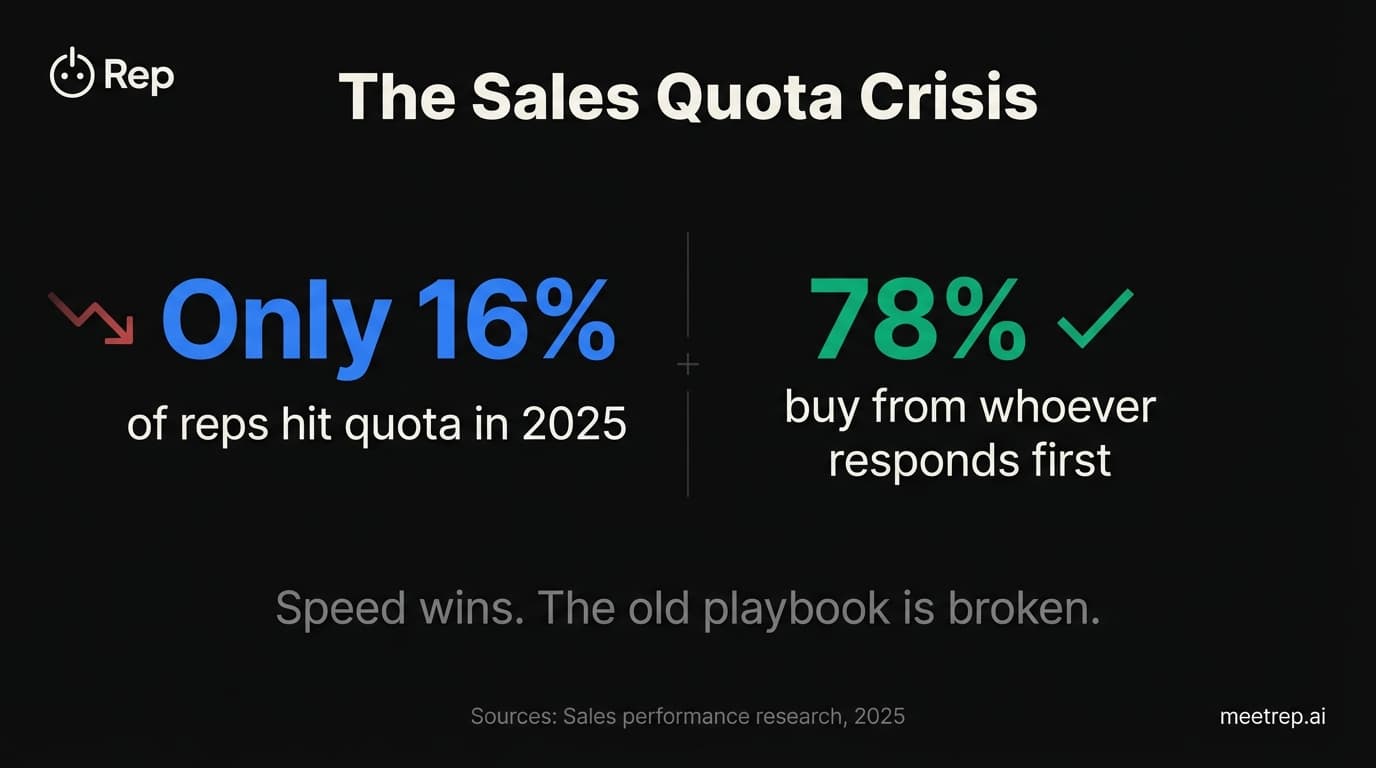
Why Autonomous Sales Software is the Future of B2B Sales (And Why the Old Playbook is Dead)
B2B sales is at a breaking point with quota attainment at 46%. Discover why autonomous 'Agentic AI' is the new standard for driving revenue and meeting the demand for rep-free buying.