Drip Campaign Software: How to Pick the Right Tool for Your Team

Executive Summary
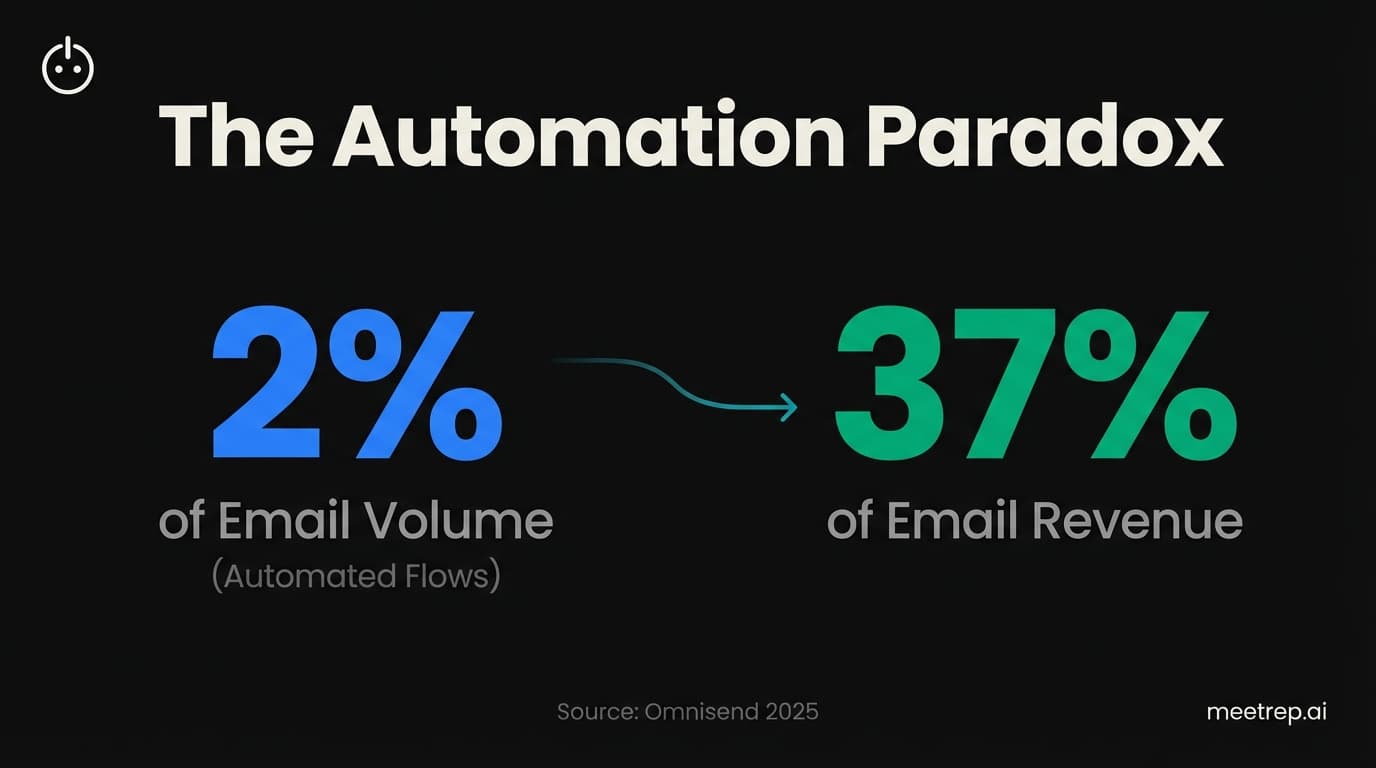
- Automated emails drive 37% of total email revenue from just 2% of send volume—but only if you set them up right
- The three flows that matter most (welcome, cart abandonment, browse abandonment) account for 87% of automated orders
- Stop measuring open rates—Apple broke them. Click-to-conversion is the metric that matters.
- Speed kills: Companies responding in 5 minutes are 100x more likely to connect than those waiting 30 minutes
Most drip campaigns fail before they start. Not because the tool is wrong—but because teams set them up, forget them, and wonder why leads still aren't converting.
Here's what nobody tells you: automated emails generate 320% more revenue than manual campaigns, according to OptinMonster's 2025 analysis. But that number hides a brutal truth. The gap between "has drip software" and "uses it effectively" is where most marketing teams live.
I've built sales automation products. At GoCustomer.ai, we watched teams struggle with this constantly. The ones who won weren't using fancier tools. They were using signals instead of schedules.
This guide breaks down what actually matters when choosing drip campaign software—and what most comparison posts conveniently ignore.
What Is Drip Campaign Software and Why Does It Matter?
Drip campaign software is a marketing automation tool that sends pre-written messages to prospects based on specific triggers or time intervals. Unlike manual outreach, it ensures consistent follow-up at scale. Modern platforms have evolved beyond simple time-based sequences into signal-based systems that respond to real buyer behavior—page visits, clicks, downloads—rather than arbitrary calendars.
Why does this matter now? Because the old approach is breaking.
Cold email open rates dropped to 27.7% in 2024, according to Martal Group's analysis of Gartner data. Static sequences that ignore buyer intent are getting ignored right back.
But here's the flip side. Omnisend's 2025 research found that 37% of all email-generated sales come from just 2% of total email volume—the automated flows. That's not a typo. Two percent of sends, thirty-seven percent of revenue.
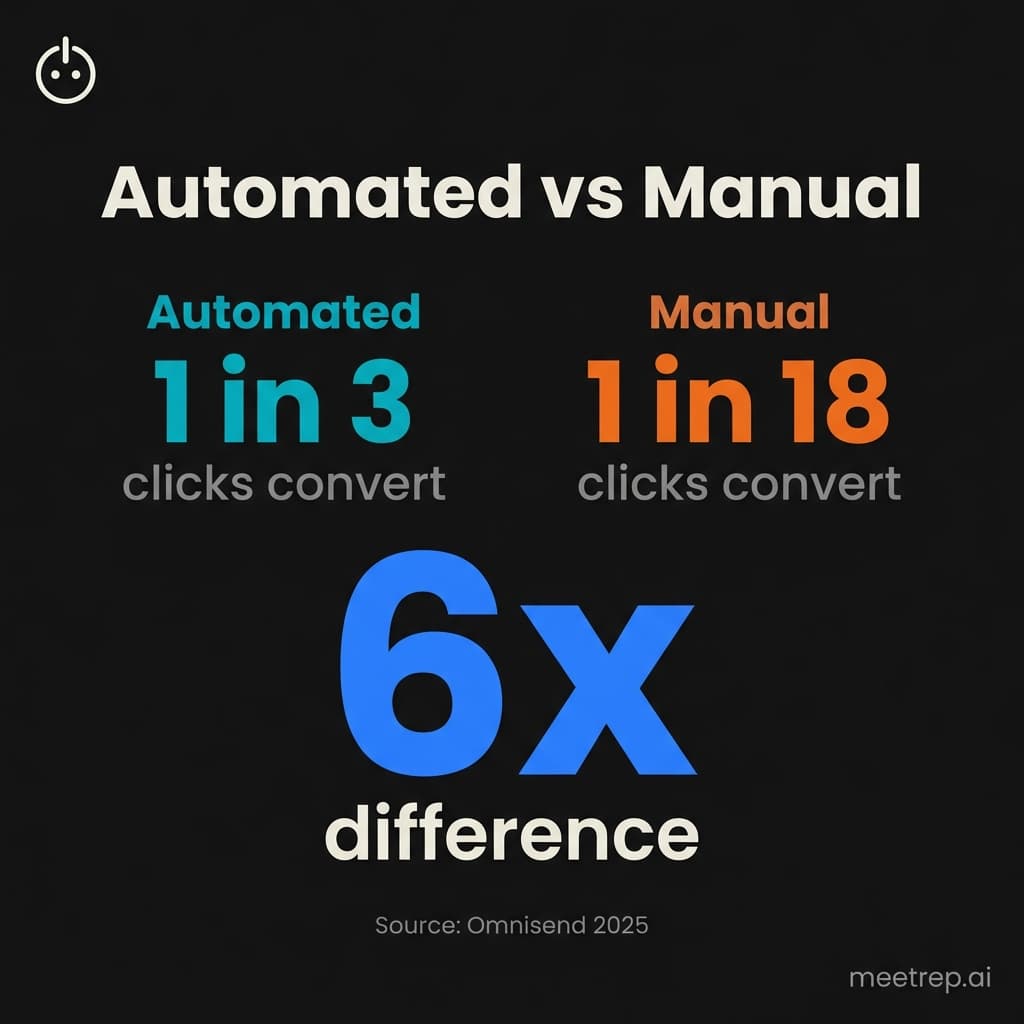
The Data: 1 in 3 clicks on automated messages result in a purchase, versus 1 in 18 for manual campaigns. That's a 6x difference in conversion efficiency. (Omnisend, February 2025)
The difference isn't the software. It's whether you're sending based on what prospects do versus what your calendar says.
The Three Automation Flows That Drive 87% of Results
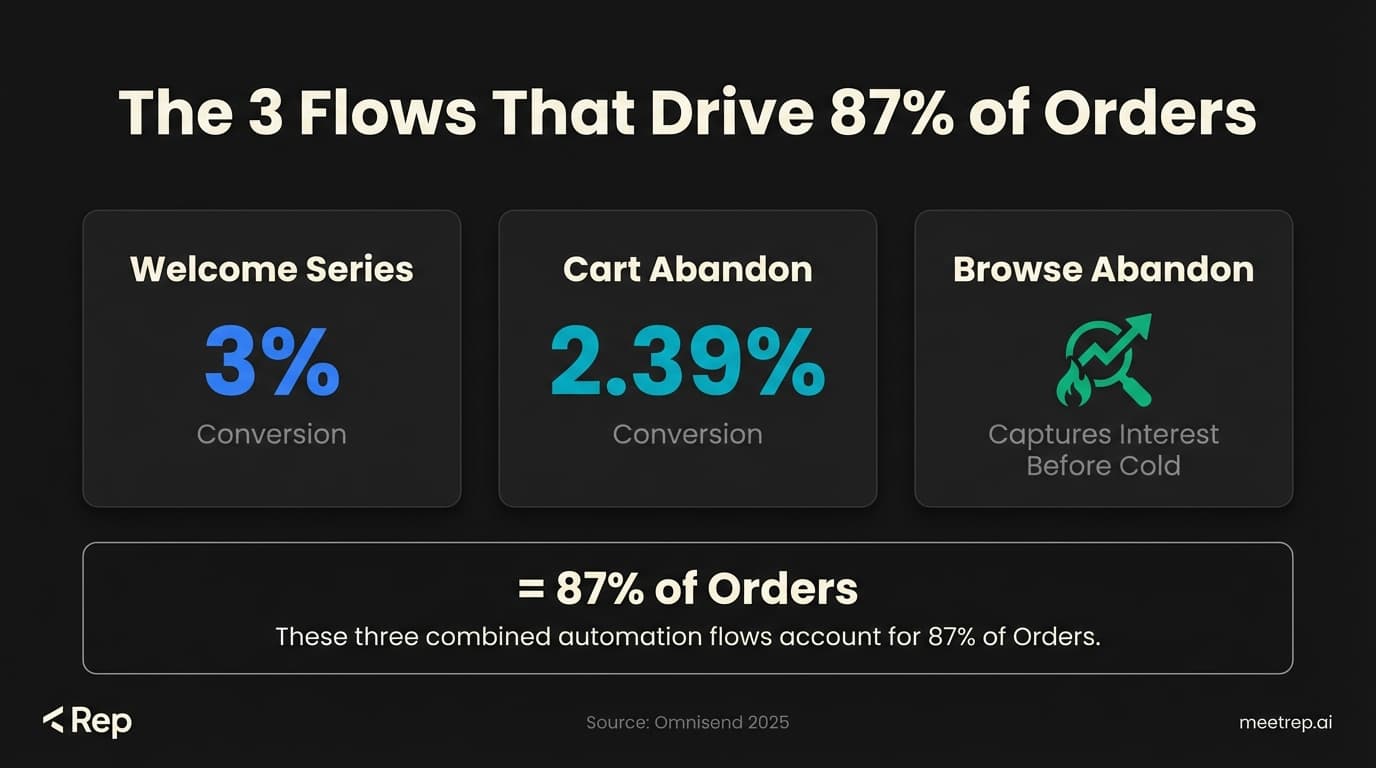
Not all email drip campaigns are created equal. According to Omnisend's 2025 report, three specific flows account for 87% of all automated orders:
| Flow Type | What Triggers It | Conversion Benchmark | Why It Works |
|---|---|---|---|
| Welcome Series | New signup or account creation | 3% conversion rate | Highest engagement moment. They just raised their hand. |
| Cart Abandonment | Item added, no purchase within 1 hour | 2.39% conversion rate | 70.19% of carts get abandoned—this recovers them |
| Browse Abandonment | Viewed product, didn't add to cart | Part of the 87% | Catches interest before it goes cold |
These benchmarks come from Statista/Omnisend data from 2024.
The math is simple. Baymard Institute puts the cart abandonment rate at 70.19%. That represents $260 billion annually in recoverable revenue globally. And a three-email cart abandonment series generates 69% more revenue than a single recovery email.
Key Insight: If you're only going to set up three automated email sequences this quarter, make them these three. Everything else is optimization. These are table stakes.
GhostBed generated $77,600 in revenue from their SMS welcome series alone—with a 32% click rate and 200x+ ROI. One flow. One channel. That kind of result.
How to Evaluate Drip Campaign Software for Your Needs
Choosing drip campaign software isn't about finding the "best" tool. It's about finding the right fit for your situation. Here's what actually matters:
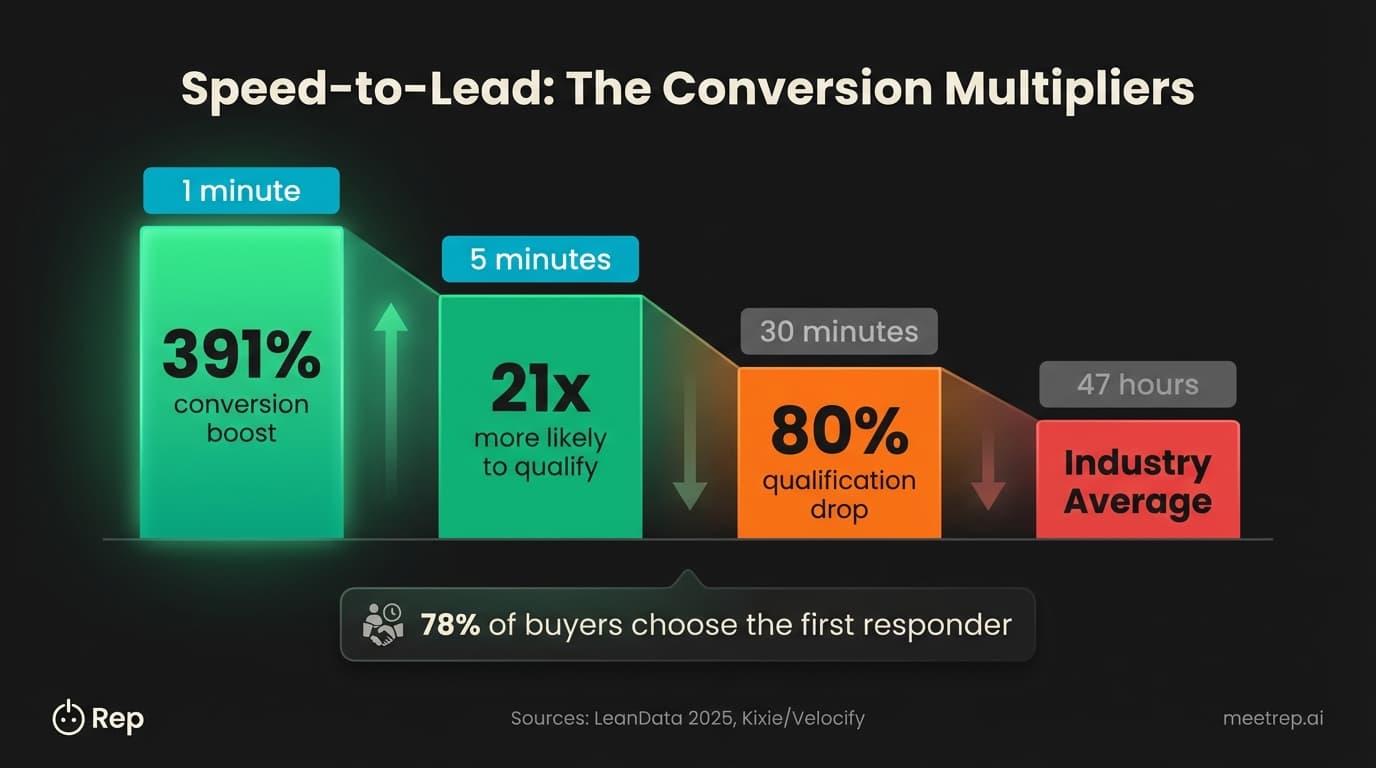
Speed to Lead.Salesso's 2025 research found that companies responding within 5 minutes are 100x more likely to connect than those waiting 30 minutes. Your automation needs instant trigger firing.
Behavioral Triggers. Can the tool respond to what prospects do, not just time delays? Page visits, email clicks, form fills—these signals matter more than "Day 3 of sequence."
Multi-Channel Capability. Email-only strategies leave money on the table. SMS plus email consistently outperforms single-channel approaches. Contalink achieved a 50% increase in conversion rate using WhatsApp plus email automation through ActiveCampaign.
Deliverability Infrastructure. Google and Yahoo's 2024/2025 requirements made DMARC, SPF, and DKIM authentication mandatory for bulk senders. If your tool doesn't help you stay out of spam, nothing else matters.
CRM Integration Depth.61% of B2B buyers prefer rep-free sales experiences during research, according to Gartner data via Salesloft. But when they do want to talk, the handoff needs to be smooth. Native Salesforce or HubSpot connectors aren't optional.
What we learned at GoCustomer: The biggest implementation failures we saw weren't about features. They were about the gap between "prospect clicks high-intent link" and "prospect actually talks to someone." That gap is where deals die. Look for tools that close it—or pair your drip software with instant demo capability.
Comparing the Top Drip Campaign Software Platforms
Here's how the major platforms stack up. I've focused on what actually differentiates them, not feature lists you can find anywhere.
| Platform | Best For | Starting Price | Key Strength | Real-World Result |
|---|---|---|---|---|
| Klaviyo | E-commerce | $45/mo (500 contacts) | Predictive analytics, deep product data | 4.67% click rate, 1.42% order rate on flows |
| ActiveCampaign | SMB/B2B | $29/mo | CRM + complex workflow recipes | Spark Joy NY: 3x sales volume |
| HubSpot | Mid-market all-in-one | Free–$890/mo | Complete marketing-sales platform | Market leader, strong integrations |
| Mailchimp | Beginners | Free–$350/mo | Easiest to start | Most beginner-friendly |
| Brevo | Budget-conscious | Free–$65/mo | Unlimited contacts, pay-per-send | Best for cost control |
| Drip | D2C e-commerce | $39/mo | E-commerce focused segmentation | Strong for product-based businesses |
| Omnisend | Multi-channel e-commerce | Free–$59/mo | SMS + Email + Push in one | 87% of orders from 3 automation types |
| Instantly.ai | Cold outreach | $37/mo | Deliverability focus, email warm-up | Unlimited accounts |
What the table doesn't tell you:
Zendesk used a 6-month behavioral retention drip to reduce churn by 50% (5.8% → 2.9%) and increase customer lifetime value by 30% ($45K → $58.5K). That's B2B SaaS. Every Man Jack achieved 25% year-over-year growth in flows revenue using Klaviyo's predictive analytics. That's e-commerce.
The platform matters less than the implementation.
Setting Up Your First Drip Sequence (The Right Way)
Most guides give you steps without context. Here's the setup process with the "why" included:
- Define your trigger event. Signup, purchase, page visit, or time-based delay. But push yourself: can you use a behavior trigger instead of a time trigger?
- Segment your audience. Not by demographics—by behavior. "Downloaded pricing guide" and "visited pricing page three times" are better segments than "marketing managers in tech."
- Map 3-7 emails with clear goals. Each email should do one thing: educate, build trust, or convert. Not all three.
- Set timing intervals. Fibonacci-like spacing works well: Day 1, Day 3, Day 7. Prevents overwhelm while maintaining momentum.
- Configure branching logic. If they click the pricing link, don't send them the awareness email. Send the demo offer.
- Set exit conditions. People should leave the sequence when they convert OR when they've clearly disengaged. Three ignored emails? Move them to a different track.
- Launch and monitor click-to-conversion, not opens. More on this below.
Common mistake: Teams spend weeks perfecting email copy but skip the branching logic. Result: prospects who clicked "see pricing" get the same "learn about our product" email as everyone else. That's not automation. That's broadcasting.
The Metrics That Actually Matter (Stop Looking at Open Rates)
Here's my honest take: open rates are broken.
Apple's Mail Privacy Protection pre-loads email pixels, which inflates open rates to 43.46% average according to MailerLite's 2025 data. That number doesn't reflect real engagement. An "opened" email may never have been read by a human.
Focus on these instead:
| Metric | Why It Matters | Benchmark |
|---|---|---|
| Click-to-Purchase Rate | Only metric tied directly to revenue | 1 in 3 for automated, 1 in 18 for manual |
| Revenue Per Email | Dollars generated per send | Automated = 320% more than manual |
| Order Rate | Conversion from send to transaction | 1.42% for automated flows |
| Sequence Completion Rate | Engagement depth through the full sequence | Track internally |
Nurtured leads make purchases 47% larger than non-nurtured leads, according to the Annuitas Group. That's the number to put in front of your CFO.
And here's the stat that should scare you: 80% of leads never convert to sales due to poor nurturing. Not bad leads. Not wrong product fit. Poor nurturing.
The Evolution From Drip to Signal-Based Selling
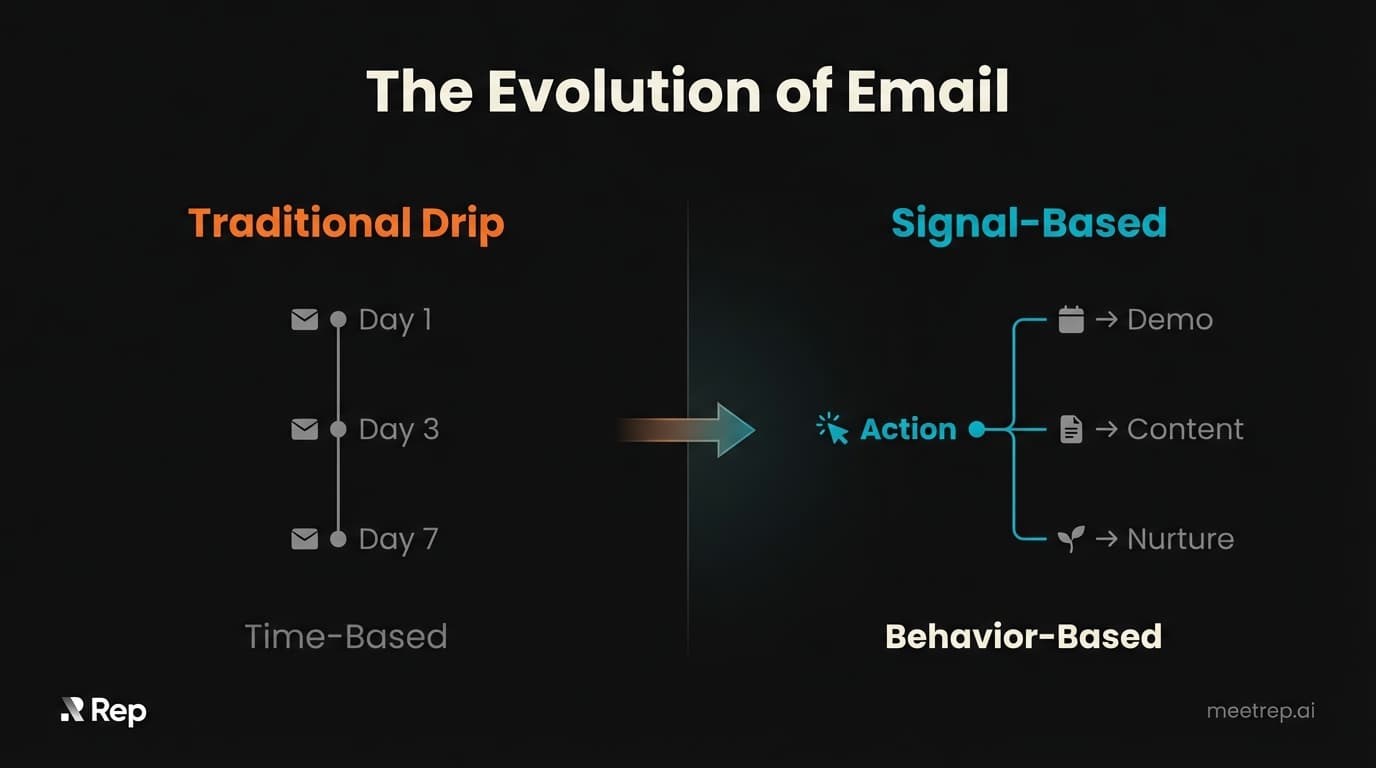
The terminology is shifting. "Drip campaigns" (time-based sequences) are giving way to "signal-based selling" (behavior-triggered, multi-channel automation).
What's the difference?
Traditional drip: Email 1 on Day 1. Email 2 on Day 3. Email 3 on Day 7. Regardless of what the prospect does.
Signal-based: Prospect visits pricing page → immediate personalized follow-up. Prospect downloads case study → trigger relevant content. Prospect goes quiet for 14 days → re-engagement sequence.
"Signal-based selling is the art of listening to what your prospects do, not just what they say." — Semir Jahic, Salesmotion (September 2025)
HubSpot's State of Marketing 2025 found that 19.65% of marketers are already moving toward AI agents for automation. That's early-adopter territory—which means competitive advantage is still available.
But here's the gap most drip software leaves open: what happens when someone actually wants to talk?
Your sequence generates a demo request. Traditional workflow: calendar booking link → 3-7 day wait for availability → momentum lost. Salesso's research shows 55-58% of companies never respond to inbound leads within five business days.
That's insane. You spent all this effort on nurture campaigns, and then you lose the deal to scheduling friction.
Teams pairing drip automation with instant demo capability—AI agents that can join calls 24/7, answer questions, and demonstrate your product in real-time—are capturing that intent at its peak. When someone finishes your nurture sequence and clicks "see a demo," they should see a demo. Not a calendar.
So my recommendation: don't think of this as replacing your drip software. Think of it as extending it from "nurture" to "close."
The teams winning with drip campaign software in 2026 aren't the ones with the fanciest tools. They're the ones who've stopped thinking in terms of time delays and started thinking in terms of signals.
Look, your email sequences should respond to what prospects do, not what your calendar says. They should measure what matters—click-to-conversion, not open rates. And they should connect directly to the moment of sale, not end with a calendar booking link that introduces days of delay.
At Rep, we're building the layer that sits after the drip—when someone's ready for a live demo but your team is asleep. But that's the next step. First, get your three critical flows running. Welcome, cart abandonment, browse abandonment. That's 87% of the results right there.
See how Rep extends your nurture campaigns to instant demos →

Nadeem Azam
Founder
Software engineer & architect with 10+ years experience. Previously founded GoCustomer.ai.
Nadeem Azam is the Founder of Rep (meetrep.ai), building AI agents that give live product demos 24/7 for B2B sales teams. He writes about AI, sales automation, and the future of product demos.
Frequently Asked Questions
Table of Contents
- What Is Drip Campaign Software and Why Does It Matter?
- The Three Automation Flows That Drive 87% of Results
- How to Evaluate Drip Campaign Software for Your Needs
- Comparing the Top Drip Campaign Software Platforms
- Setting Up Your First Drip Sequence (The Right Way)
- The Metrics That Actually Matter (Stop Looking at Open Rates)
- The Evolution From Drip to Signal-Based Selling
Ready to automate your demos?
Join the Rep Council and be among the first to experience AI-powered demos.
Get Early AccessRelated Articles
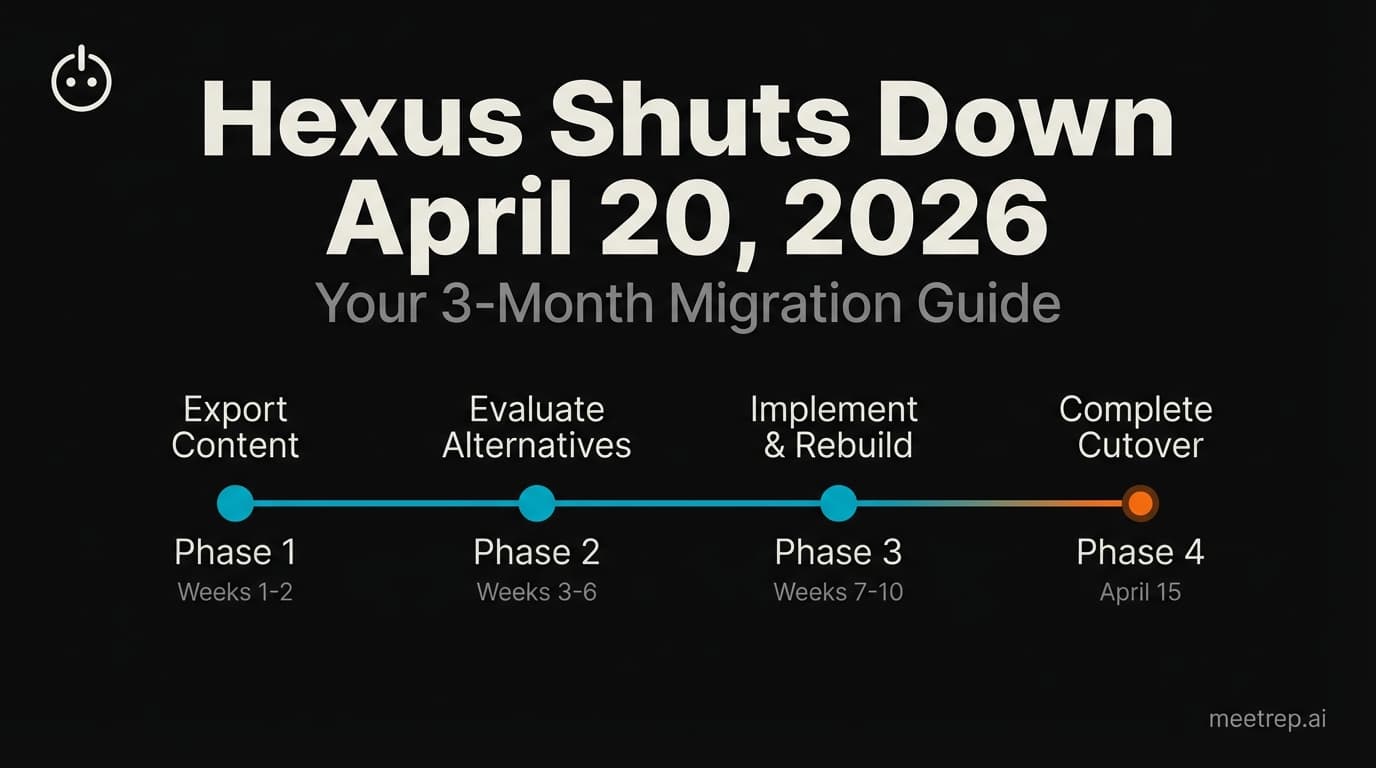
Hexus Acquired by Harvey AI: Congrats & What It Means for Demo Automation Teams
Hexus is shutting down following its acquisition by Harvey AI. Learn how to manage your migration and discover the best demo automation alternatives before April 2026.
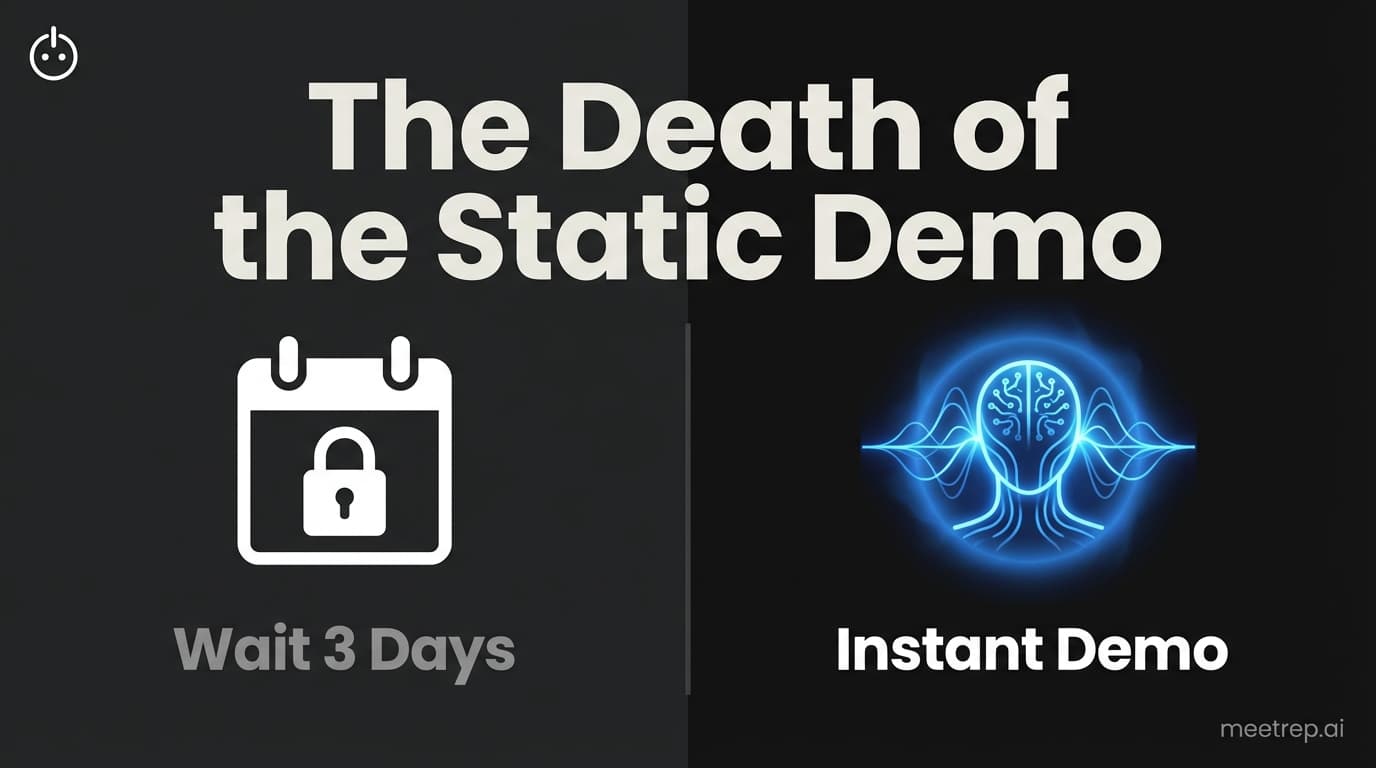
Why the "Software Demo" is Broken—and Why AI Agents Are the Future
The traditional software demo is dead. Discover why 94% of B2B buyers rank vendors before calling sales and how AI agents are replacing manual demos to scale revenue.
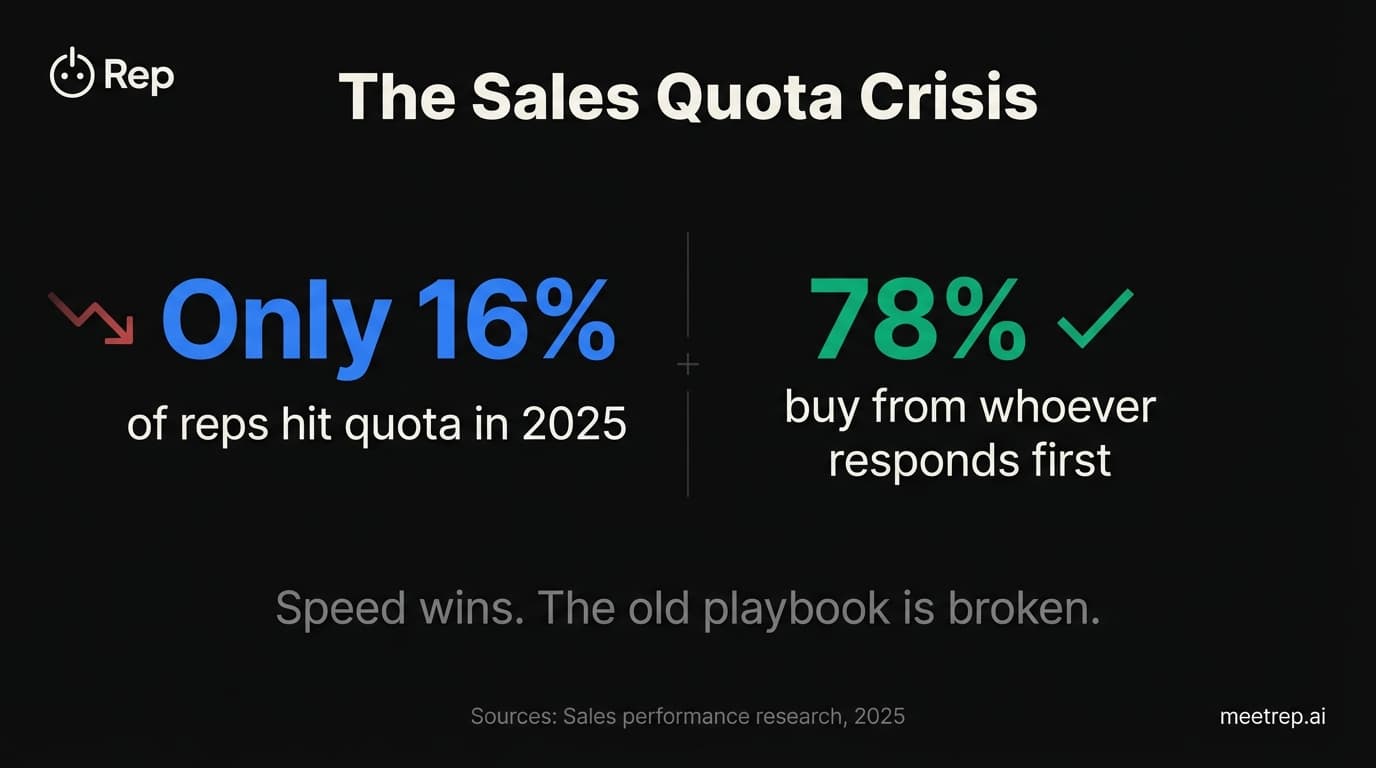
Why Autonomous Sales Software is the Future of B2B Sales (And Why the Old Playbook is Dead)
B2B sales is at a breaking point with quota attainment at 46%. Discover why autonomous 'Agentic AI' is the new standard for driving revenue and meeting the demand for rep-free buying.