Best Software Demo Videos (2026): Why "Video" Is No Longer Enough

Executive Summary
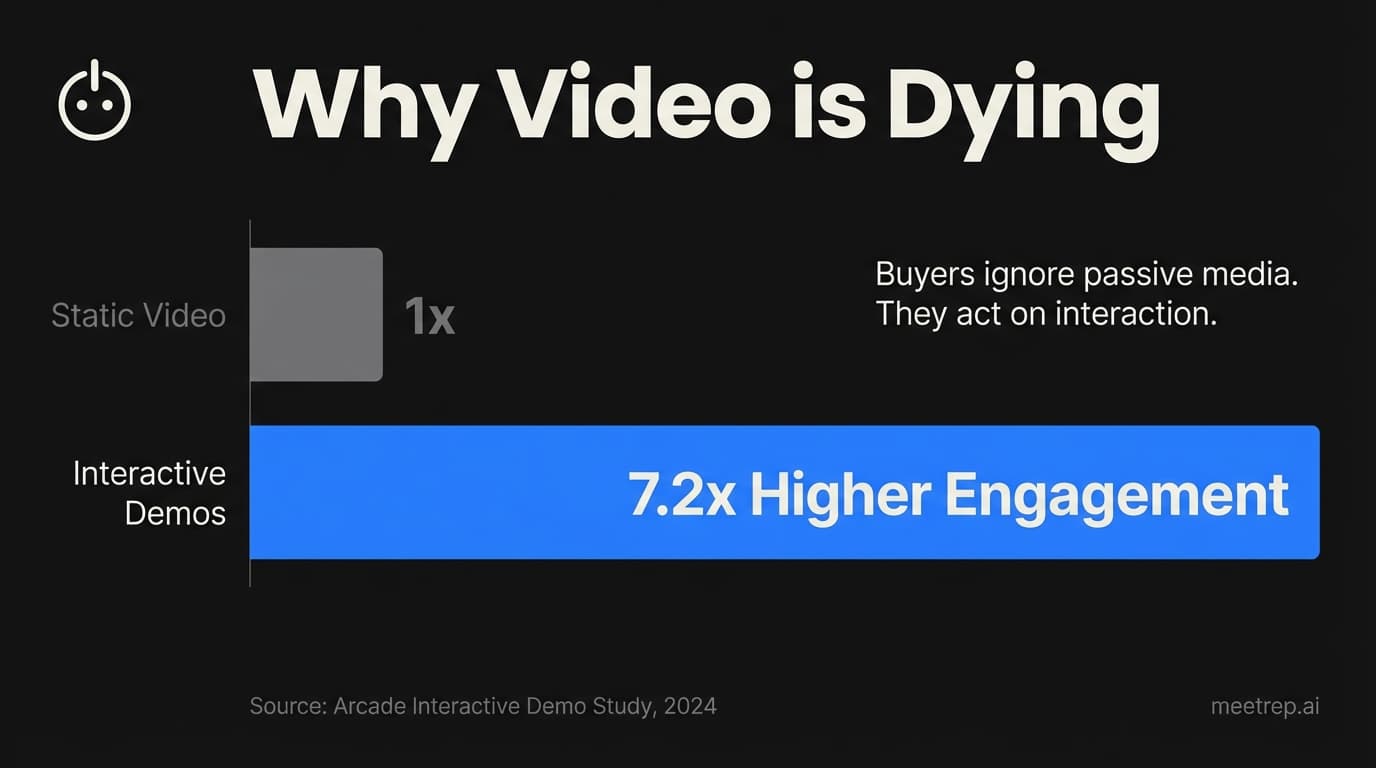
- Video is passive: Buyers tune out linear videos; they engage 7.2x more with interactive formats.
- The "Silent Funnel" is real: 61% of buyers refuse to speak to sales initially.
- Staging is expensive: Maintaining demo environments costs ~27% of cloud spend.
- The Solution: The market has split into Interactive Click-Throughs (Navattic/Walnut) for website conversion and Autonomous AI Agents (Rep) for deep qualification.
The "play" button is dead.
That might sound aggressive, especially if you just spent $15,000 on a high-production explainer video. But the data doesn't lie. While 89% of businesses still rely on video for brand awareness, the way B2B buyers actually evaluate software has shifted.
They don't want to watch. They want to touch.
According to Gartner's June 2025 report, 61% of B2B buyers now prefer an overall rep-free buying experience. They want to get their hands on the product, ask specific questions, and see how it handles their edge cases—all without jumping on a call with a sales rep.
At GoCustomer.ai, and now at Rep, I’ve seen this shift firsthand. The "best software demo videos" aren't videos at all anymore. They are interactive, autonomous experiences.
If you’re still relying on linear MP4s to close deals in the middle of the funnel, you aren't just behind the curve. You're invisible.
The State of the Software Demo in 2026
The definition of a "software demo" has changed from a passive recording to an active, buyer-led experience. In 2026, the best demos are either interactive HTML captures that let users click through a product clone, or autonomous AI sessions where an agent drives the live software in real-time.
Why this shift? Because buyers have become ruthless researchers.
Forrester’s 2025 data shows that 92% of buyers start with a vendor in mind, and 41% have already selected a preferred vendor before they even contact you.
If your "demo" is a gated video that forces them to fill out a form to see the UI, they leave. They go to the competitor who lets them click around immediately.
Key Insight: Ungated demos perform 5-20% better in engagement rates than gated ones, according to Arcade’s 2024 analysis.
This puts Product Marketing in a bind. You need to show the product deeply enough to win that 41% of buyers, but you can't give everyone a login to your production environment.
So, what are the actual options?
Why Traditional Demo Videos Are Failing (The "Demo Rot" Problem)
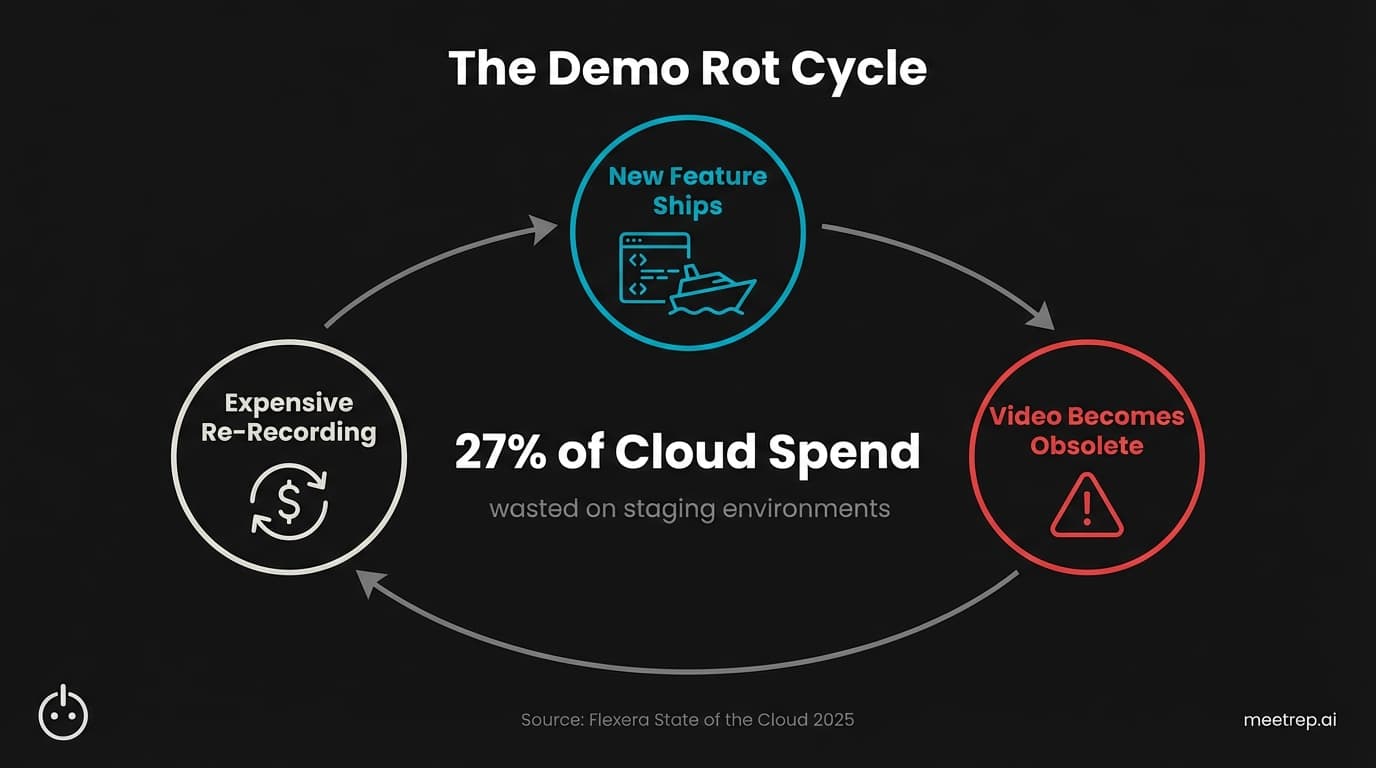
Traditional demo videos fail because they suffer from "demo rot"—the moment a new feature ships, your expensive video asset becomes obsolete, confusing prospects and forcing marketing to beg engineering for updates.
I’ve been a CTO. I know this pain intimately.
Marketing asks for a new video. Engineering says, "We changed the UI yesterday, that script is wrong." So you ask for a staging environment to record a new one. Engineering groans because maintaining a stable staging environment with "clean" demo data is a nightmare.
It’s not just a headache. It’s a massive financial drain.
According to Flexera’s 2025 State of the Cloud Report, non-production environments (like staging and QA used for demos) can represent ~27% of a company’s cloud infrastructure costs.
Plus, cloning production for demos can consume up to 20% of product engineering time.
If you are paying engineers to fix broken demo data in a staging environment so you can record a video that will be out of date in three weeks, you are burning cash twice.
Common Mistake: Assuming "screen recording" software solves this. It doesn't. It just makes it easier to record the wrong thing faster. The solution isn't better recording tools; it's decoupling the demo from the precarious staging environment entirely.
The 3 Tiers of Modern Demos (A Complete Breakdown)
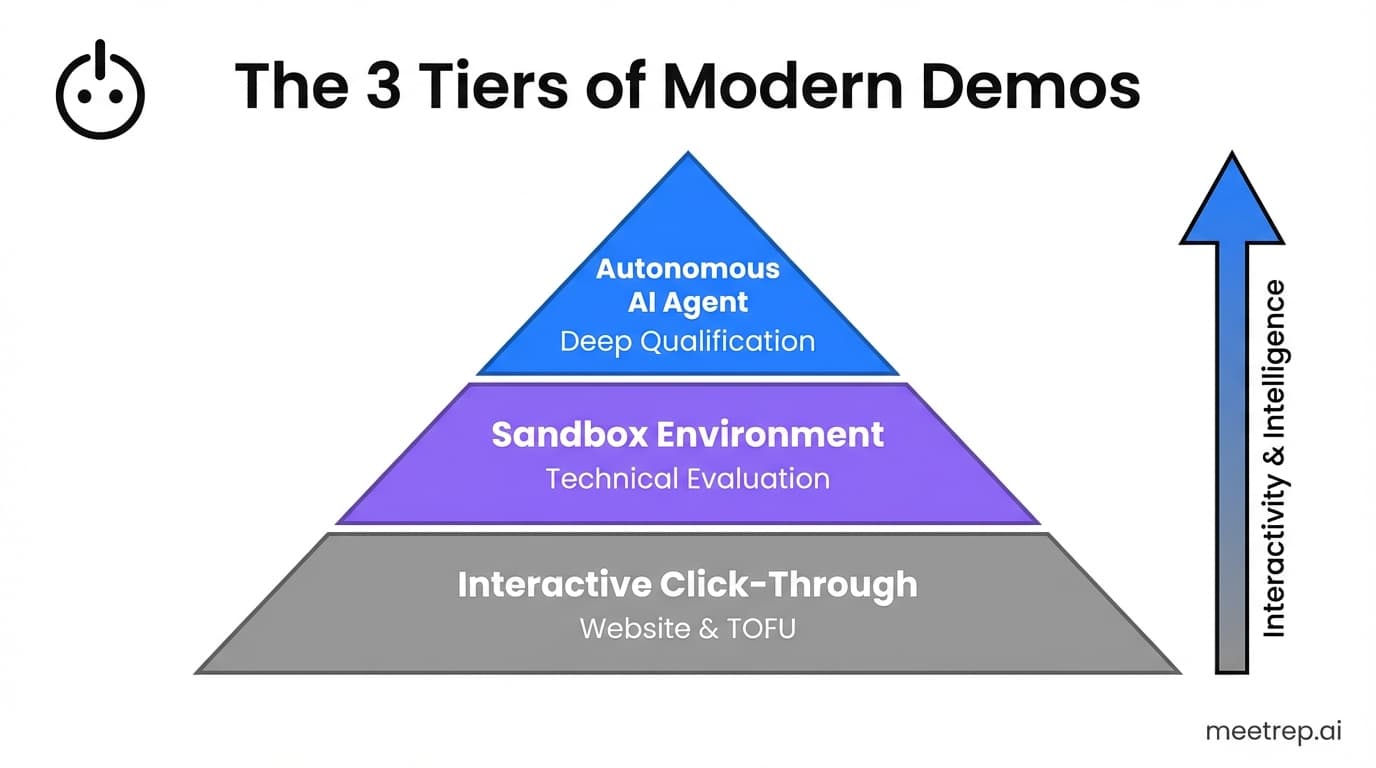
If static video is out, what replaces it? The market has bifurcated into three distinct tiers. Understanding which one you need depends on where your buyer is in the funnel.
Tier 1: The Interactive Click-Through (Navattic, Walnut)
These aren't videos. They are HTML/CSS captures of your DOM (Document Object Model). Tools like Navattic or Walnut capture your product's code and freeze it.
- How it works: You click through your app, the tool captures the code, and you build a "guided tour" with tooltips.
- Best for: Top of Funnel (TOFU), Website embedding.
- The Data: These drive 7.2x more engagement than standard video (Arcade, 2024).
- The Limit: It's a "lonely" experience. If the buyer has a complex question ("Can I integrate this with my custom SAP instance?"), the tooltip can't answer.
Tier 2: The Sandbox Environment (Reprise, TestBox)
This is the "heavy lift" approach. Companies like Reprise clone your entire application logic to create a safe sandbox.
- How it works: It mimics the full functionality of your app without touching real data.
- Best for: Sales Engineering teams, deeply technical evaluations.
- The Limit: Cost and complexity. Implementations can take weeks and cost $30k+ annually.
Tier 3: The Autonomous AI Agent (Rep)
This is the newest and fastest-growing tier. Instead of a static capture or a fake sandbox, an AI agent joins a video call and drives your actual software.
- How it works: You train the agent (like our platform, Rep) by letting it watch you demo once. It then joins calls 24/7, shares its screen, and talks to prospects in real-time.
- Best for: Middle of Funnel (MOFU), Qualification, "Rep-Free" buyers.
- The Win: It solves the "loneliness" of Tier 1. The buyer gets to see the product and gets their specific questions answered live, without you hiring more SDRs.
| Feature | Traditional Video | Interactive Demo (Navattic/Walnut) | Autonomous AI Agent (Rep) |
|---|---|---|---|
| Interactivity | Passive (Watch only) | Active (Click path) | Live & Conversational |
| Personalization | None (One-to-many) | Low (Branching paths) | High (Real-time adaptation) |
| Engagement (CTR) | ~3.2% | ~67% (Top 1%) | High (Two-way dialogue) |
| Maintenance | High (Re-record video) | Medium (Update HTML) | Low (AI learns updates) |
| Best For | Brand Awareness | Website Conversion | Qualification & Sales |
Why we built Rep this way: We noticed that while interactive demos are great for showing the product, they fail at selling the value. A prospect clicking a button doesn't mean they understand why it matters. We built Rep to bridge that gap—giving the autonomy of a click-through with the intelligence of a sales engineer.
Best Examples of Software Demos (2025-2026)
Who is doing this right? The companies winning right now are blending high production value with extreme utility.
1. Klarna (The AI Agent Pivot)
Klarna didn't just make a video; they replaced the entire support/demo layer with AI. Their AI assistant handled 66% of all customer service chats (2.3 million conversations) in its first month, doing the work of 700 full-time agents.
- Why it works: It’s instant. It’s accurate. It respects the buyer's time.
- Source: Skywork AI / Klarna Case Study (2025)
2. Labelbox (The Interactive Layer)
Labelbox, a complex data-centric AI platform, used interactive product demos (via Arcade) to explain technical workflows that video couldn't capture.
- Result: They increased MQLs by 30%.
- Why it works: Complex products need "hands-on" time to be understood. Video glosses over the details; interaction reveals them.
- Source: Arcade Case Study (2025)
3. Rep (The Live Navigation)
I'm biased, but I use Rep to sell Rep. When you visit our site, you don't just watch a video of me talking. You can enter a room with one of our AI agents. It shares its screen and drives the browser live.
- Why it works: It proves the technology works immediately. No "trust me" marketing. It’s "show me" marketing.
How to Future-Proof Your Demo Strategy
If you are planning your 2026 content calendar, do not schedule another "product walkthrough video." Instead, follow this framework:
- Ungate the "Ah-Ha" Moment: Put a Tier 1 interactive demo (Navattic/Walnut) on your homepage. Let them click.
- Automate the "How-To": For the 61% who don't want to talk to a human yet but have questions, deploy a Tier 3 agent (Rep). Let them have a conversation at 2 AM.
- Save the Humans for the Closing: Your AEs shouldn't be doing "show up and throw up" demos. They should be doing negotiation and solution consulting.
My recommendation: Audit your current demo center. If it's a graveyard of YouTube embeds from 2024, you are losing deals to competitors who offer interactivity. Start small. Pick your highest-traffic product page and replace the video with an interactive capture or an AI demo call-to-action.
The Bottom Line
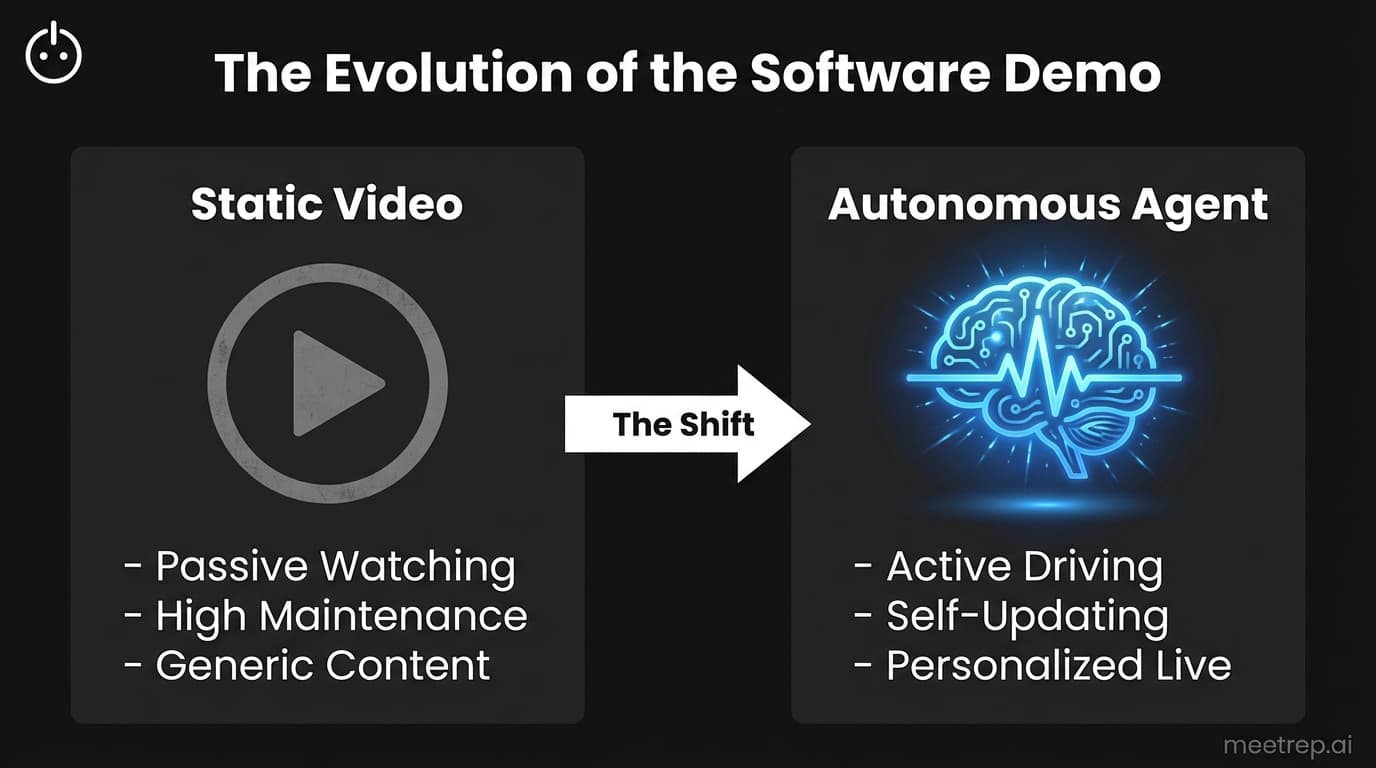
The era of the static "explainer video" is ending. It served its purpose when bandwidth was low and browsers were dumb. But today, buyers expect the software to speak for itself.
We built Rep because we saw this gap widening. We saw companies burning millions on cloud staging environments just to record videos that no one watched.
Don't let your funnel go silent because your assets are passive. Whether you choose a click-through tool or a fully autonomous agent, the move is the same: stop recording, and start interacting.

Nadeem Azam
Founder
Software engineer & architect with 10+ years experience. Previously founded GoCustomer.ai.
Nadeem Azam is the Founder of Rep (meetrep.ai), building AI agents that give live product demos 24/7 for B2B sales teams. He writes about AI, sales automation, and the future of product demos.
Frequently Asked Questions
Table of Contents
- The State of the Software Demo in 2026
- Why Traditional Demo Videos Are Failing (The "Demo Rot" Problem)
- The 3 Tiers of Modern Demos (A Complete Breakdown)
- Best Examples of Software Demos (2025-2026)
- How to Future-Proof Your Demo Strategy
- The Bottom Line
Ready to automate your demos?
Join the Rep Council and be among the first to experience AI-powered demos.
Get Early AccessRelated Articles
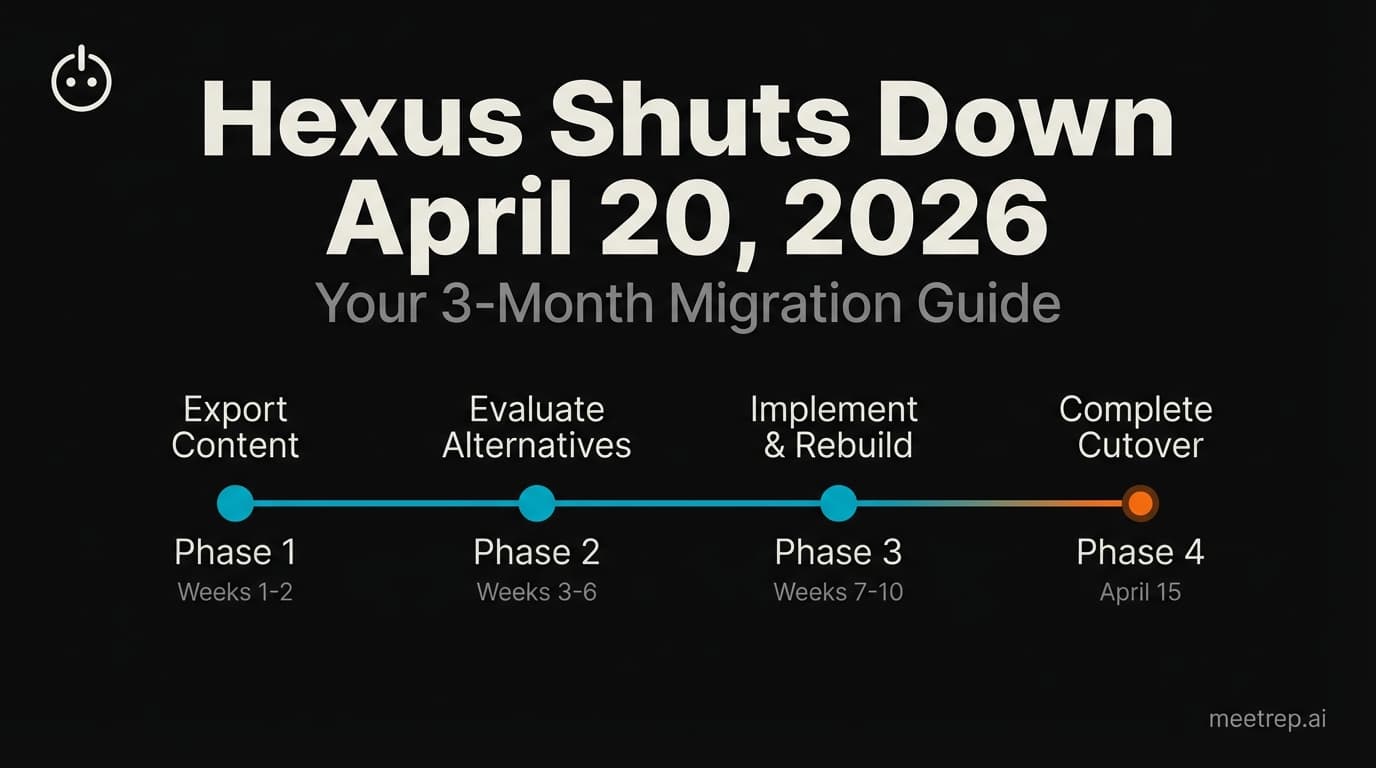
Hexus Acquired by Harvey AI: Congrats & What It Means for Demo Automation Teams
Hexus is shutting down following its acquisition by Harvey AI. Learn how to manage your migration and discover the best demo automation alternatives before April 2026.
Why the "Software Demo" is Broken—and Why AI Agents Are the Future
The traditional software demo is dead. Discover why 94% of B2B buyers rank vendors before calling sales and how AI agents are replacing manual demos to scale revenue.
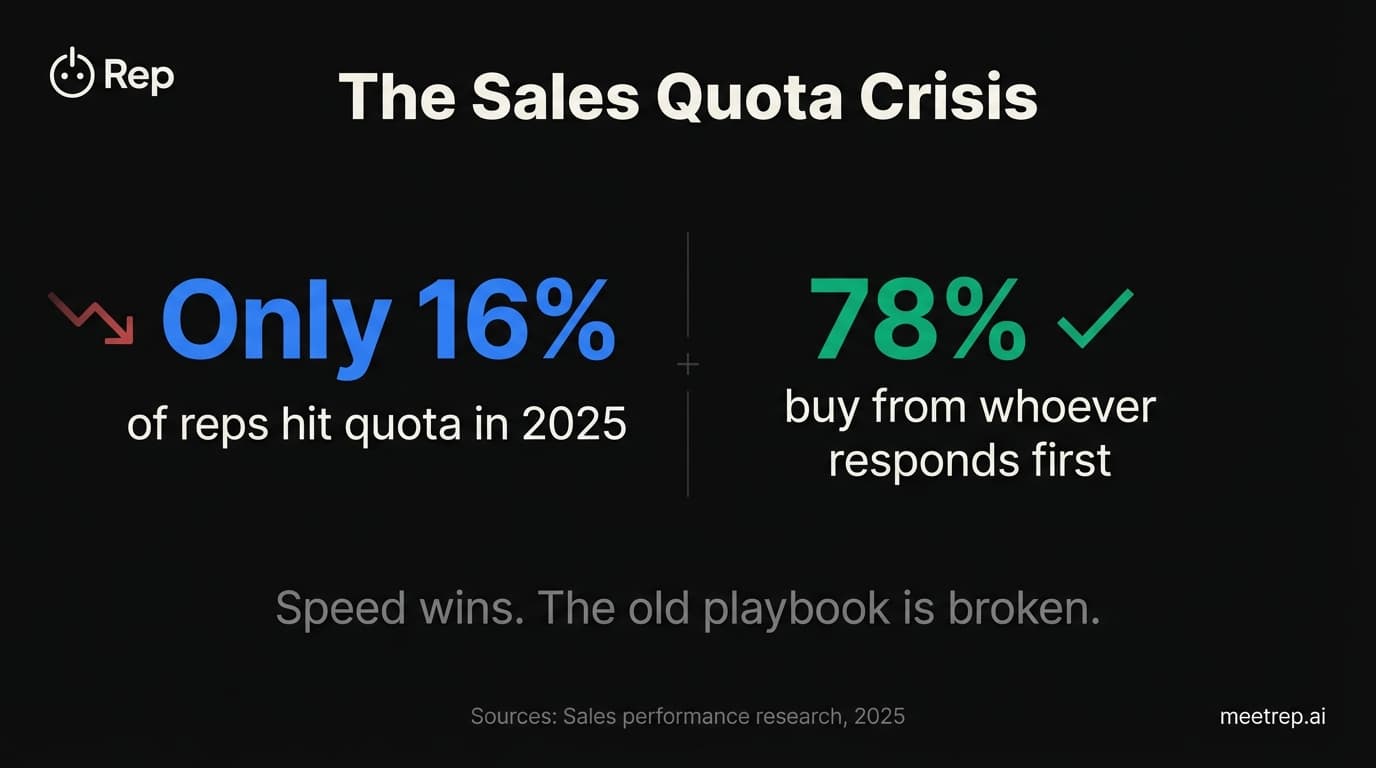
Why Autonomous Sales Software is the Future of B2B Sales (And Why the Old Playbook is Dead)
B2B sales is at a breaking point with quota attainment at 46%. Discover why autonomous 'Agentic AI' is the new standard for driving revenue and meeting the demand for rep-free buying.