6 Top Alternatives to Saleo for Automating Demos (2026 Guide)

Executive Summary
- Best for replacing the human presenter: Rep (Autonomous AI Agent)
- Best for website marketing tours: Storylane or Navattic
- Best for live SE sandboxes (Direct Saleo swap): Demostack
- The Market Trend: Buyers want "rep-free" experiences. The market is moving from assisted demos (Saleo) to autonomous ones (Rep).
If you are reading this, you have likely just seen the price tag for Saleo. Or maybe you are an SE Director who just watched a live demo overlay break because your product team pushed a UI update 20 minutes before a call.
I’ve been there. The screen flickers. The data overlay misaligns. The prospect notices. It’s a specific kind of panic.
Building sales automation tools at GoCustomer.ai and now at Rep, I’ve learned that "demo automation" means different things to different people.
For some, it means fixing the data in a live environment (what Saleo does). For others, it means putting a click-through tour on a website. And for the newest wave of companies, it means automating the presenter entirely.
The market has split. You don't just need a list of tools; you need to know which problem you are actually solving.
Why Teams Are Leaving Saleo in 2026
Teams leave Saleo for two reasons: cost and fragility.
It is a powerful tool for Solutions Engineers (SEs) who need to manipulate live data. No doubt. But the median annual cost of $54,500 makes it a difficult line item to defend. Especially when cheaper or more autonomous alternatives exist.
But it’s not just about the money.
The technical architecture of Saleo relies on "overlaying" data on top of your live application's DOM (Document Object Model). Think of it like a digital mask. If your engineering team changes the HTML structure of your app, the mask slips. The demo breaks.
The Data: According to Vendr’s 2026 Buyer Guide, the median annual cost for Saleo is $54,500. Contracts often range from $30k to over $80k depending on seat count.
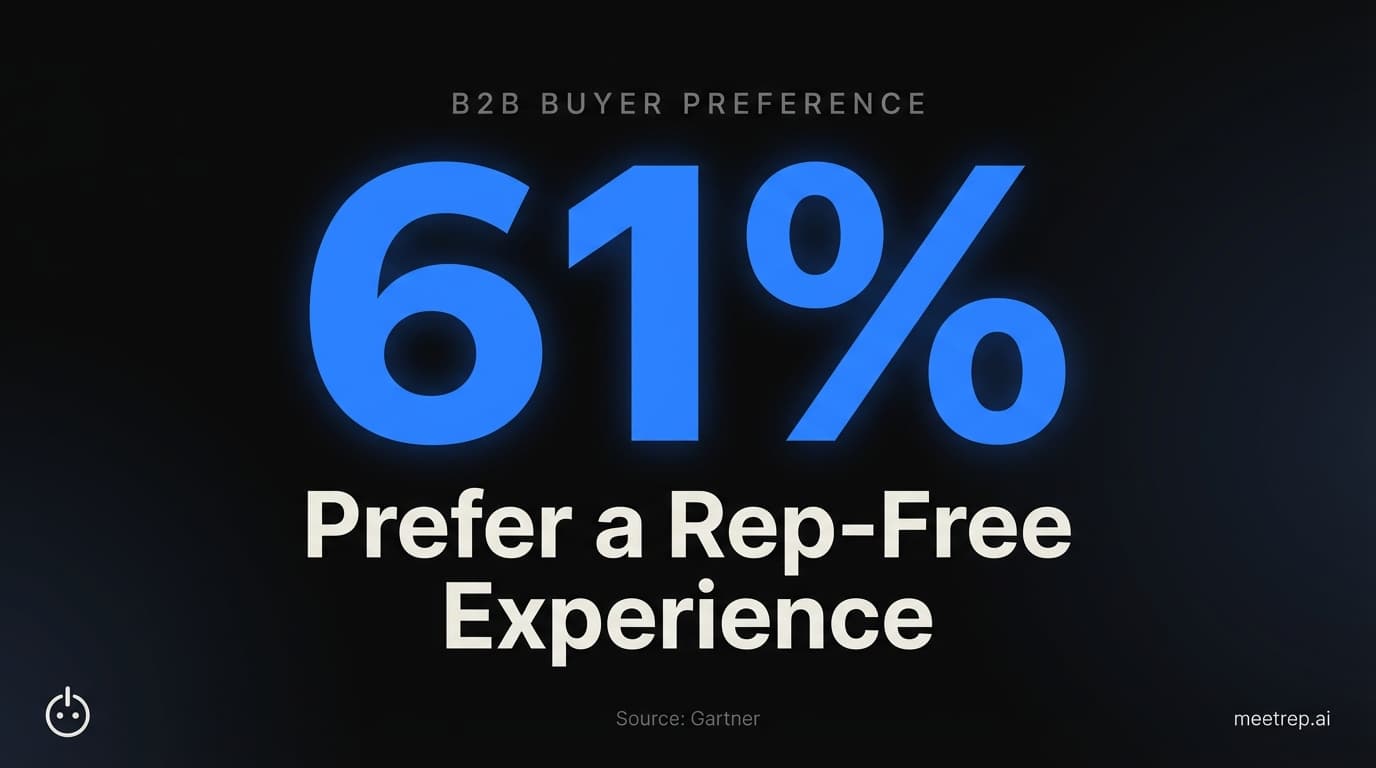
There is a bigger shift happening, too. Saleo helps your human reps give better demos. But according to Gartner, 61% of B2B buyers now prefer a rep-free buying experience.
Optimizing the tool your rep uses doesn't solve the fact that the buyer doesn't want to talk to the rep yet.
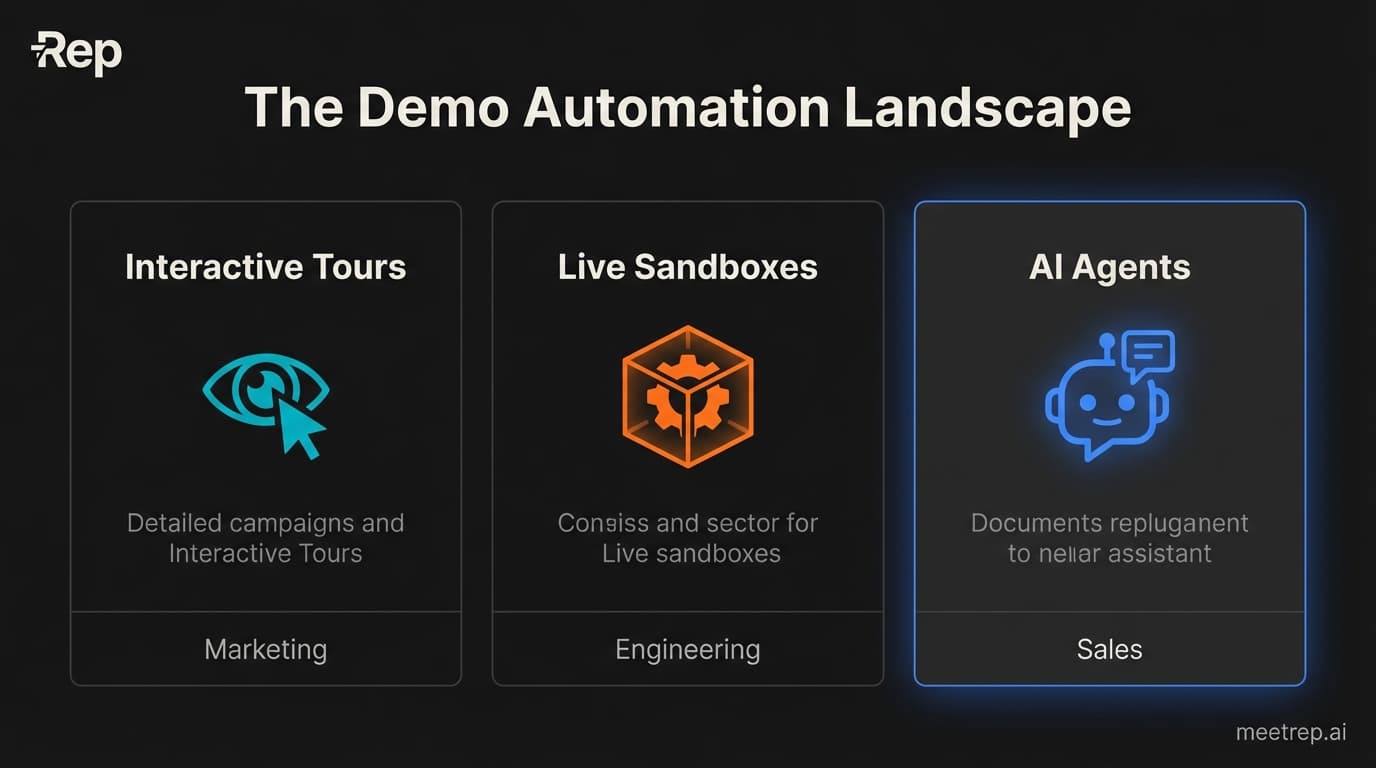
This is why the alternatives to Saleo fall into three distinct buckets.
Category 1: Autonomous AI Agents (The "Rep-Free" Future)
This is the newest category, driven by the rise of "Agentic AI." These tools don't just put a sandbox on the screen; they provide an AI "employee" to run the demo for you.
1. Rep (Your AI Sales Rep)
Rep is an autonomous AI sales agent that joins video calls, shares its screen, and navigates your product live while conversing with prospects. Unlike Saleo, which is a tool for a human, Rep is the presenter.
Best for: Companies who want to scale their live demo capacity 24/7 without hiring more SEs.
Why we built Rep this way: At GoCustomer, we saw that even if you gave an SE the perfect demo environment, they could still only do 3-4 good demos a day. It’s a bottleneck. Consensus data shows that 70% of deals require SE support, which means your pipeline moves only as fast as your SE's calendar.
We designed Rep to join calls instantly. It interacts with your real browser in the cloud, so it never has the "overlay glitch" issues that plague local extensions.
The Results: This approach works. The Sydney Art Store saw a 25% increase in conversion rates and generated $69,000 in sales in a single month using Rep. The AI didn't just show pictures; it walked buyers through the catalog and closed deals.
Pros:
- Infinite Scale: Handle 100 concurrent demos without 100 hires.
- Zero Friction: 24/7 availability implies faster time-to-value for the buyer.
- Consistency: The message is perfect every time. No "off days."
Cons:
- Not for Deep POCs: Highly complex, bespoke engineering POCs still need a human SE.
2. Saleo (AI Demo Agent)
In January 2026, Saleo launched their own AI Demo Agent.
Best for: Existing Saleo enterprise customers who want to experiment with automation.
My take: It is a smart move for them, but it’s likely an expensive add-on to an already expensive platform. If you are already paying $55k+ for the core Saleo engine, this might make sense. If you aren't, it’s a high barrier to entry just to get an AI agent.
Category 2: Interactive Product Tours (Marketing)
If your goal is "put a product tour on the website" rather than "give a live demo," you don't need Saleo. You need a capture tool. These are asynchronous, silent, and click-based.
3. Storylane
Storylane captures your product via screenshots and HTML, allowing you to stitch them together into a guided tour.
Best for: Marketing teams who want to embed a "Take a Tour" button on their homepage.
Why it’s a Saleo alternative: It is significantly cheaper. Plans start around $40/month, with growth plans near $500/month (source). If your main use case for Saleo was just to create a clean environment for screenshots or basic click-throughs, you are massively overpaying. Switch to Storylane.
Pros:
- Speed: Build a demo in minutes, not weeks.
- Lily AI: Their helper tool speeds up creation significantly.
- Cost: Very affordable.
Cons:
- Static: It’s not a live environment. Prospects can’t "play" freely.
- Silent: No voice or conversation capability.
4. Navattic
Navattic is the enterprise standard for HTML-based product tours.
Best for: Enterprise marketing teams focused on SEO and high-fidelity website assets.
Pros:
- HTML-First: Text is selectable and SEO-friendly (unlike video).
- Stability: No video lag.
- Analytics: Strong data on who clicks what.
Cons:
- Click-Through Only: It is a brochure, not a demo.
Category 3: Live Demo Environments (Direct Replacements)
This is the category most similar to Saleo. If you have a team of 20 SEs who need to give live presentations, and you hate Saleo's overlay bugs, look here.
5. Demostack
Demostack takes a different technical approach than Saleo. Instead of overlaying data on your live app, it clones your application (backend and frontend) into a separate sandbox.
Best for: Sales Engineering teams who need a "bulletproof" sandbox that is completely disconnected from production.
The Trade-off: Cloning is stable, but heavy. Every time your engineering team pushes a major update to production, you likely need to re-clone or update your Demostack environment. It is a maintenance burden.
Cost: Similar to Saleo. Expect to pay $55,000+ per year (source).
6. TestBox
TestBox focuses on the "Free Trial" use case. They spin up live instances of your software, pre-filled with data, that you can give to a prospect to play with for 7-14 days.
Best for: PLG companies wanting to offer "Sandbox Trials."
Pros:
- Real Instances: True live instances, not simulations.
- Hands-on: Great for letting prospects explore on their own.
Cons:
- Expensive: Starts ~$44k/year (source).
Comparison: Feature & Cost Breakdown
Here is how the top contenders stack up.
| Tool | Category | Est. Cost | Best Use Case |
|---|---|---|---|
| Rep | Autonomous Agent | Contact for pricing | Scaling live demos 24/7 without humans |
| Saleo | Live Overlay | ~$54,500/yr | Helping SEs manipulate data on live calls |
| Storylane | Interactive Tour | ~$500/mo (Team) | Marketing website embeds & leave-behinds |
| Demostack | Environment Clone | ~$55,000/yr | Creating a stable, separate demo sandbox |
| Navattic | Interactive Tour | ~$500/mo | Enterprise marketing & SEO assets |
Key Insight: If you choose Storylane or Navattic, you save money but lose the "live" feel. If you choose Demostack, you keep the live feel but keep the high cost. Rep is the only option that keeps the live feel and removes the human labor cost.
How to Choose the Right Alternative
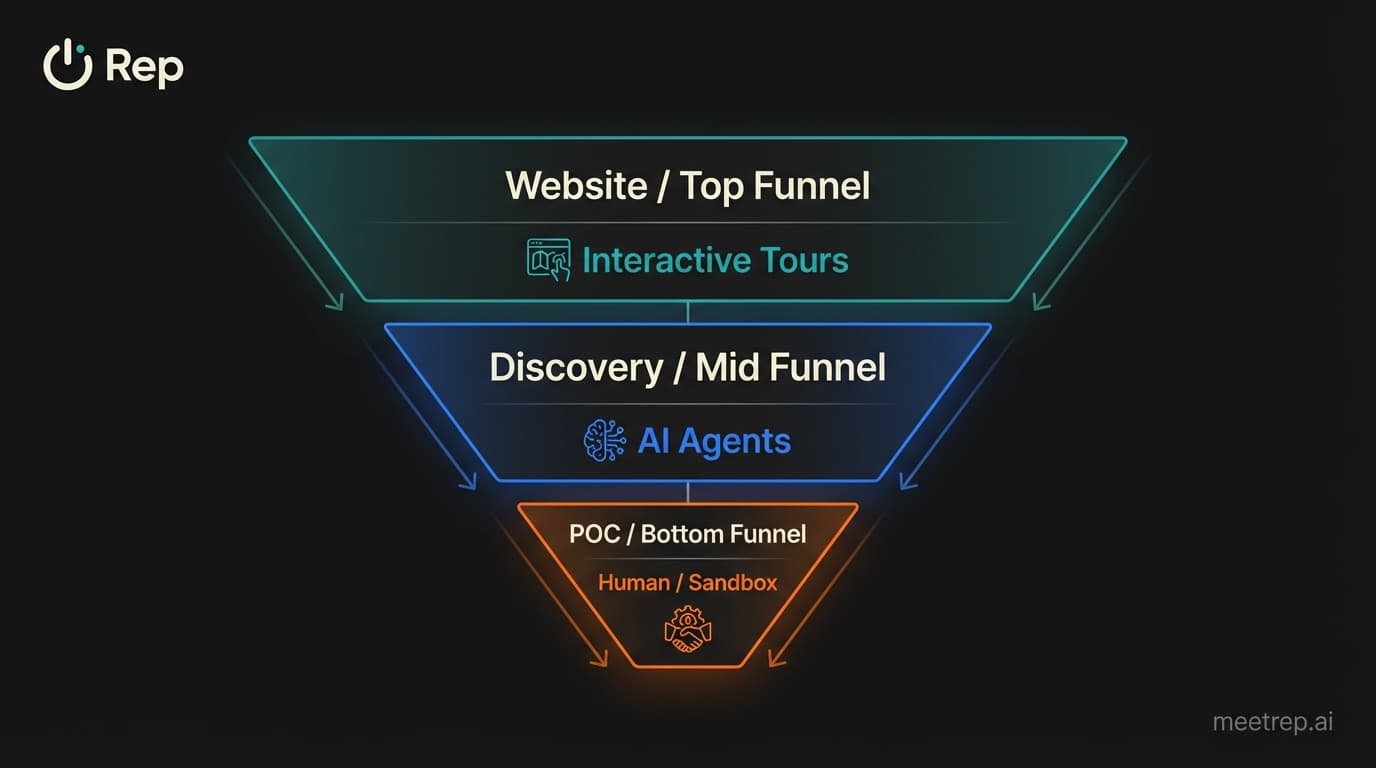
I've built in this space for years, and here is my honest advice: Don't start with the tool. Start with the funnel stage.
1. Top of Funnel (Website Visitors): Don't use Saleo here. It is overkill. Use Storylane or Navattic. Give visitors a taste of the product immediately. It is cheap, effective, and low-risk.
2. Middle of Funnel (Discovery/Intro Demos): This is where the bottleneck happens. Your SEs are wasting time showing the same "intro deck" and basic features to unqualified leads. This is where you use Rep. An agent can handle these calls 24/7. It gives the prospect the live experience they want (rep-free, but interactive) and qualifies them before they ever touch a human's calendar.
3. Bottom of Funnel (Technical POCs): If you have a complex, messy product that requires deep technical validation, you still need a human SE. If that SE is struggling with bad data in production, then you look at Demostack or stick with Saleo.
What we learned at GoCustomer: You can't automate everything. The final 10% of a complex enterprise deal needs a human handshake. But the first 90%? Automating that is where you win back your margins.
The Future is Autonomous
The era of paying $50,000 just to make a demo environment "look pretty" for a human presenter is ending. It is an efficiency gain, sure. But it is not a transformation.
The real shift is moving from Seller-Centric tools (like Saleo, which help your reps) to Buyer-Centric agents (like Rep, which help your buyers).
If you want to fix your data, buy a sandbox. But if you want to fix your pipeline velocity, hire an agent.
Ready to see an autonomous demo in action? Meet Rep today.

Nadeem Azam
Founder
Software engineer & architect with 10+ years experience. Previously founded GoCustomer.ai.
Nadeem Azam is the Founder of Rep (meetrep.ai), building AI agents that give live product demos 24/7 for B2B sales teams. He writes about AI, sales automation, and the future of product demos.
Frequently Asked Questions
Table of Contents
- Why Teams Are Leaving Saleo in 2026
- Category 1: Autonomous AI Agents (The "Rep-Free" Future)
- Category 2: Interactive Product Tours (Marketing)
- Category 3: Live Demo Environments (Direct Replacements)
- Comparison: Feature & Cost Breakdown
- How to Choose the Right Alternative
- The Future is Autonomous
Ready to automate your demos?
Join the Rep Council and be among the first to experience AI-powered demos.
Get Early AccessRelated Articles
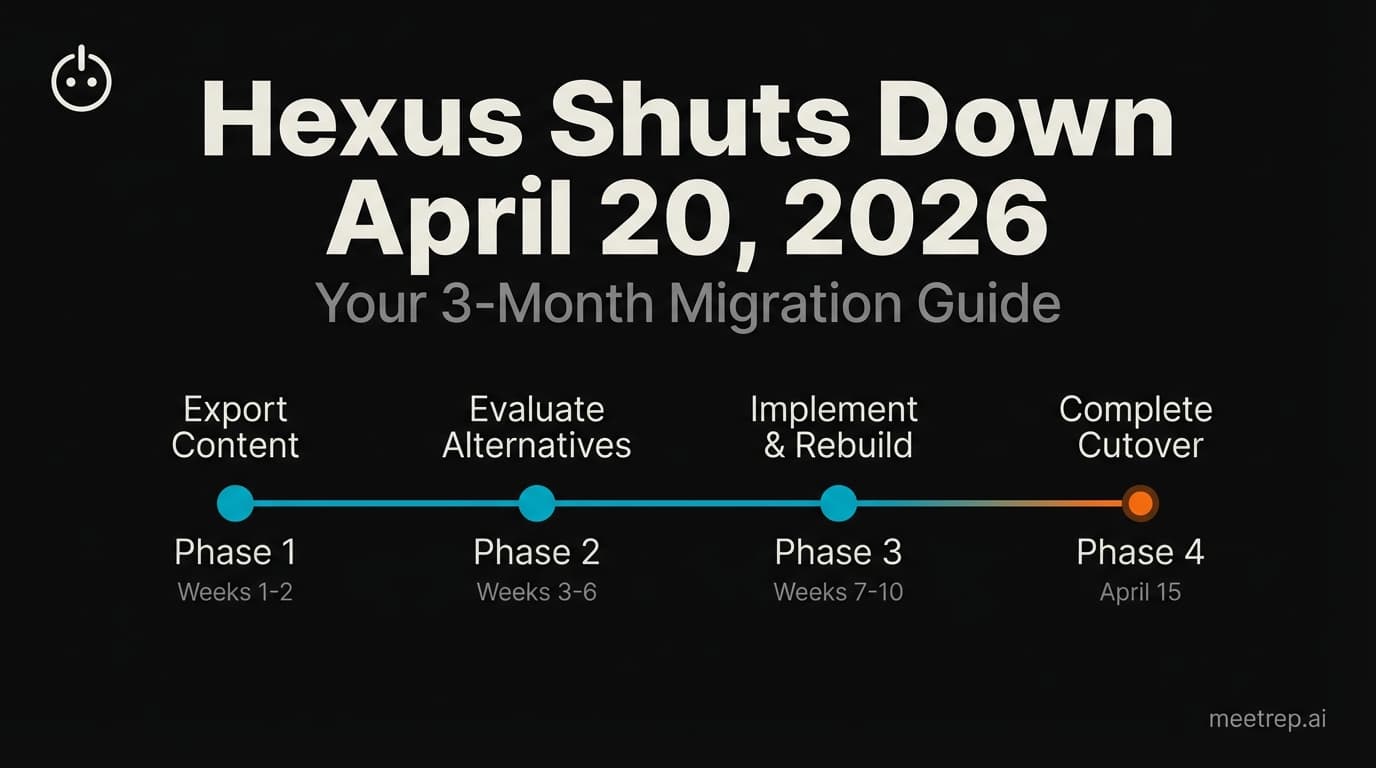
Hexus Acquired by Harvey AI: Congrats & What It Means for Demo Automation Teams
Hexus is shutting down following its acquisition by Harvey AI. Learn how to manage your migration and discover the best demo automation alternatives before April 2026.
Why the "Software Demo" is Broken—and Why AI Agents Are the Future
The traditional software demo is dead. Discover why 94% of B2B buyers rank vendors before calling sales and how AI agents are replacing manual demos to scale revenue.
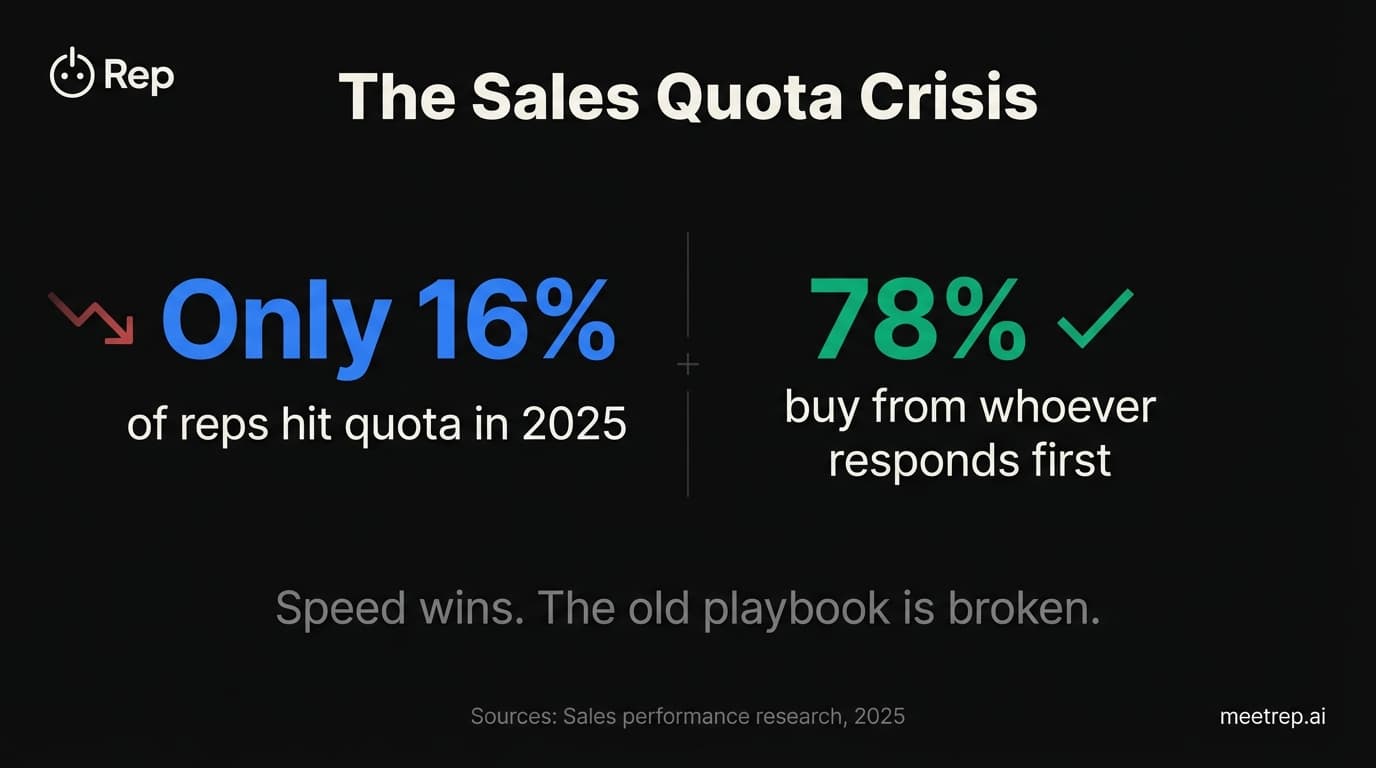
Why Autonomous Sales Software is the Future of B2B Sales (And Why the Old Playbook is Dead)
B2B sales is at a breaking point with quota attainment at 46%. Discover why autonomous 'Agentic AI' is the new standard for driving revenue and meeting the demand for rep-free buying.